Charleston: Sacred Within

Charleston: Sacred Within

“Do not be shy about claiming the visions you have seen. I know that in our time and culture it is not as common for people to speak of their spiritual visions, but that does not mean the visions themselves have ceased to appear. The Spirit still sends messages to each of us, images that are unique to our experience, flashes of meaning for us to interpret and understand. Some we seek, some come unbidden, but all are authentic parts of a spiritual life. The sacred is a visual realm. Wisdom is in what we see.”

Bishop Steven Charleston Daily Facebook Post, June 27, 2018

st. ignatius.JPG

I remember passing by the town of St. Ignatius in the Flathead Indian Reservation on the way to Glacier National Park. The name of Ignatius is sacred to so many of us for what this saint taught us from so many years ago.

I had previously visited the church there at the foot of the Mission Mountains which is well known for its original biblical paintings on the ceiling and walls painted by one of the brothers, believed also to be the cook! My daughter tells me that there also had been a school there where the students were punished if they were caught speaking in their native Salish language. The Jesuits were so certain they were doing the right thing changing the native Americans into Europeans.

This is a constant reminder for me that we as well sometimes can be so assured about the God of our understanding and what we have to share that we forget to honor that part of God in our neighbor we are trying to help. Our hope is that we will first always honor the God of the understanding of our spiritual friends. We may tell them about the God of love we know and share our experience, but we do not insist that this is the only way to encounter God.

Each of us has a part of the divine within. Our job is to realize that part of God within us and help those we meet to find the God within them and look for similarities in our relationship with God. We also learn so much from others about the divine present in their lives and honor it, and care for it. It is precious.

Today we are beginning to realize the power of native American spirituality that so many for so long were certain was not really God.

Joanna joannaseibert.com

Nadia: Spiritual vs Religious

Nadia: Spiritual vs religious

“I think this is why we at House for All Sinners and Saints sometimes say that we are religious but not spiritual. Spiritual feels individual and escapist. But to be religious (despite all the negative associations with that word) is to be human in the midst of other humans who are as equally messed up and obnoxious and forgiven as ourselves.” Nadia Bolz-Weber, Accidental Saints, Convergent Books, 2016.

accidental saints copy.jpg

Again, and again, Nadia makes us sit up and take notice. I have heard so often that phrase, “spiritual but not religious,” and I know I have said it as well and have seen it as a badge of courage. What I hear is that this person has a relationship with God but not with a religious institution or church or creed or denomination. This person is trying to “home school” God, as I have actually heard some say. They often have been harmed by the institutional church or have been misunderstood by the church or may even misunderstand the church themselves. I hear this often from people whose experience of church was not a church that believed as much in a loving God as in a vengeful God watching their every step to catch them doing something wrong. They have been wounded, but they so want to have a relationship with God. They are truly seekers.

Nadia, however, is reminding us that God most often does not call us only to a one on one relationship. God also constantly calls us to community, and that is where we will so often experience God in the unlikely humans we learn to live and work with, especially when we are a part of a community believing in a loving and forgiving God.

Joanna joannaseibert.com

Kidd: Spiritual Whittling

Kidd: Spiritual Whittling
“There’s an old Carolina story I like about a country boy who had a great talent for carving beautiful dogs out of wood. Every day he sat on his porch whittling, letting the shavings fall around him. One day a visitor, greatly impressed, asked him the secret of his art. “I just take a block of wood and whittle off the parts that don’t look like a dog,” he replied…. In spiritual whittling, though, we don’t discard the shavings. Transformation happens not by rejecting these parts of ourselves but by gathering them up and integrating them. Through this process we reach a new wholeness. Spiritual whittling is an encounter with Mystery, waiting, the silence of inner places—all those things most folks no longer have time for.”
Sue Monk Kidd, When the Heart Waits. HarperSanFrancisco 1992.

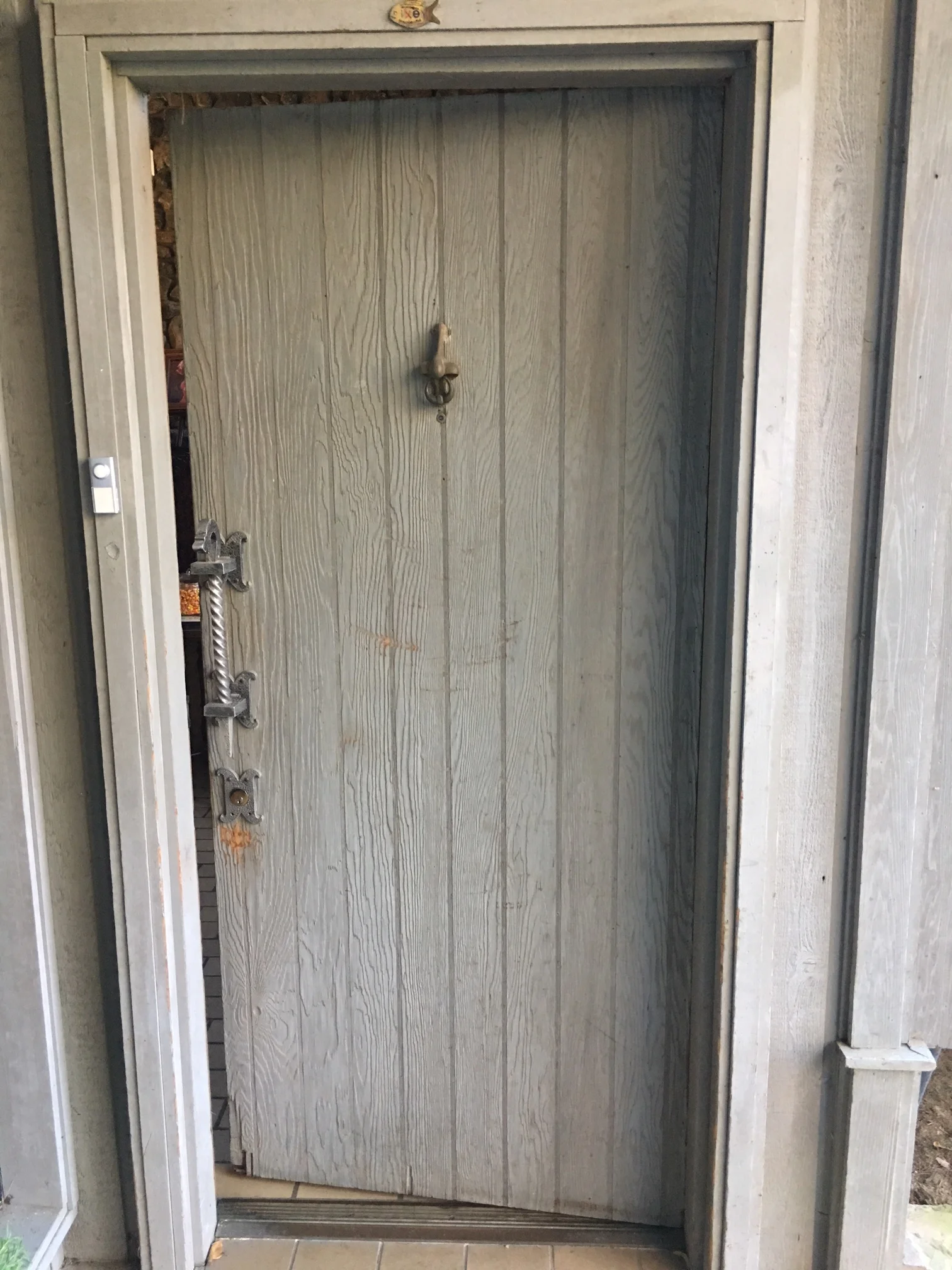
front door partially open.JPG

This is my experience of transformation as well. I constantly realize that parts of my life that keep me “together” or keep me connected to God that are so useful at one time of my life or keep me safe may be tired and worn and need to rest. These gifts are still a part of me, but what I have to offer, my ministry changes. One of the hardest of course was giving up my medical practice that had been my identity, but I was learning that there were so many other things I wanted to do, and it was more and more difficult to keep up with the constantly changing technical medical world.

I also came to learn that just because we are good at one ministry doesn’t mean we should keep doing it. We may be keeping others from the joy of that ministry, and actually they may be able to do it better! What we learn in one part of our life also can be helpful in another ministry, so we do not discard it. In medicine I learned a great deal about suffering, especially about the suffering of children and their parents. I learned about looking deep inside for hidden clues as to what is causing a disease or difficulty. This ability is now helpful in spiritual direction. I also learned how to work with people with a multitude of different personalities. This has helped me to be a little less judgmental and perhaps appreciate differences.

I am slowly learning to be more vigilant about habits that kept me safe during some parts of my life which have later become destructive.

What am I trying to say?

Life is about constantly giving up control or the allusion that we are in control. It is also about being open to change, letting doors shut, but being open to entering new doors or not being afraid to sit in the hallway for a while, waiting to hear the squeak of another door opening. It is about trusting, avoiding being stuck and stagnating or thinking we are out of options.

Joanna joannaseibert.com