Kelsey: Spiritual paths

Kelsey: spiritual pathways

“There are two quite different ways of leading people on the spiritual pilgrimage, which have often been seen as opposed to each other.” Morton Kelsey in Companions on the Inner Way, The Art of Spiritual Guidance, (Paulist Press 1976) , pp. 7,8.

Fork in the road Camp McDowell

Fork in the road Camp McDowell

Kelsey is describing first the sacramental method of spiritual direction where we use spiritual practices such as concrete matter, music, pictures, beads, rituals, symbols to connect to God. The downside is that these can lead to idolatry, worshipping the means we use to reach God instead of worshipping God. For Episcopalians, it has always been the Book of Common Prayer as illustrated by the difficulty when our tradition tries to revise the book. Droves of people leave the church. The same thing may happen in churches when the altar is moved or the order of service or even the prayers are changed. Kelsey calls this method the kataphatic way from the Greek meaning “with images.”

Kelsey describes the second path based on the belief that we best connect to God by emptying ourselves of all images, remembering that there is no way to describe or represent the holy. In silence and emptiness, we connect to the God within. This is the apophatic way from the Greek meaning without images. This has been the way of Hinduism, Buddhism, and Christian contemplative forms such as Centering Prayer. Kelsey believes that the downside is that this inner work can occasionally lead to a lack of reaching out to others even though the true result should be connecting the Christ we find within to the Christ in others.

Kelsey encourages us to practice both methods. The two are a necessary part of a well-developed and informed spirituality.

Joanna. joannaseibert.com

small.jpg

Purchase a copy of A Daily Spiritual Rx for Lent and Easter in Little Rock from me joannaseibert@me.com or from Wordsworth Books or from the publisher Earth Songs Press or on Amazon.. Proceeds from the book go for hurricane relief in the Diocese of the Central Gulf Coast.

De Mello: Albums and Awareness

De Mello: Albums and Awareness

“This return to past scenes where you felt love and joy is one of the finest exercises I know for building up your psychological health.”

Anthony de Mello in Sadhana: A Way to God (N. Y.: Image Books, 1984), pp. 72-73.

big album.JPG

I must admit that I decided to read Anthony de Mello’s book, Sadhana: A Way to God, while I was studying about spiritual direction because it is not long, looked like easy reading, and I knew I had a great deal going on in my life in the next coming weeks of study! Well, it is only 140 pages, but it is the kind of material where one should practice one exercise one day at a time for 140 days or even better one exercise, one week at a time. There was only one exercise that I found too hard to do, and that was Exercise 29 where we image ourselves as a corpse decomposing! I have otherwise found every one of them so helpful with so many ways to connect to God.

Each exercise was one that I wanted to practice. I think I identified most with the fantasy exercises, especially Exercise 18, the joyful mysteries of your life. Here we immerse ourselves in joyful times in our lives, remembering details, staying in the moment, experiencing the joy, love. De Mello then recommends that we build an album of these peak experiences to return to in order to help us through difficult times, to keep reminding ourselves of the joy in our life, and the presence of God in those past moments during dry times when God may not feel present.

De Mello writes that when we have memorable experiences we never truly appreciate and take in the joy of the total awareness of what is happening. He asks us to go back again and again to the event to replay it and feel the love we were offered and be nourished again by the experience. He cautions us not to be an observer but put ourselves totally back into the experience. De Mello believes remembering these experiences increases our capacity for joy and consequently opens our life to receive more fully the love of God.

small.jpg

Purchase a copy of A Daily Spiritual Rx for Lent and Easter in Little Rock from me joannaseibert@me.com or from Wordsworth Books or from the publisher Earth Songs Press or on Amazon.. Proceeds from the book go for hurricane relief in the Diocese of the Central Gulf Coast.
God's Presence

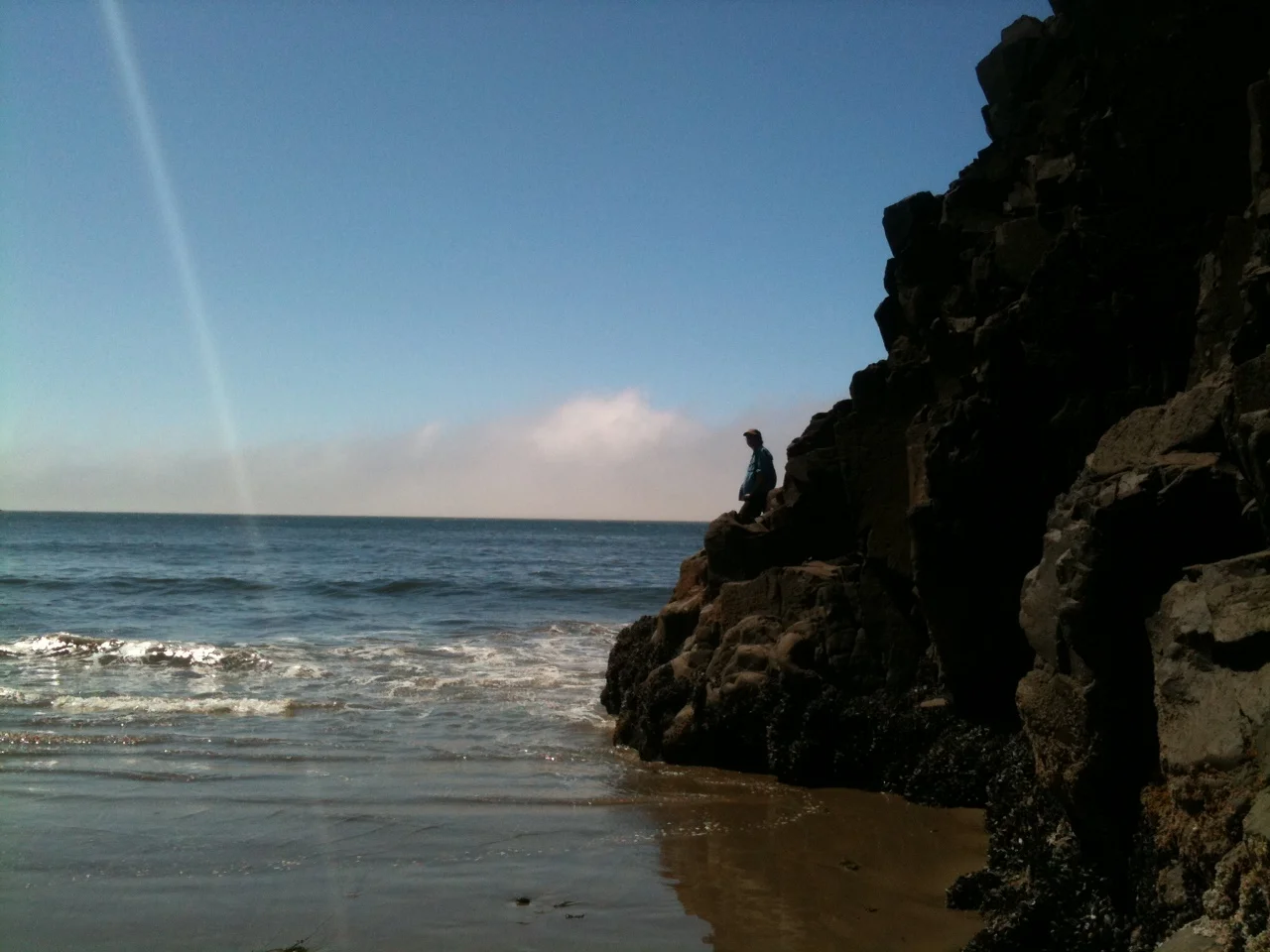
God’s presence

“Union with God is not something we acquire by a technique. Because God is the ground of our being, separation is impossible. God does not know how to be absent.” Martin Laird, Inward Outward daily quote, May 16, 2018.

cannon beach.JPG

We may feel that God is not beside us or that we have been abandoned by God, but Martin Laird reminds us that God is never absent. Never absent. Never absent. We need to remind ourselves about this every day, every moment. We are never alone. The vastness of God’s presence and God’s love is greater than we can know or feel or imagine.

My experience is that when I start asking for more love from friends and family than they can give, this is a stop sign that I have become disconnected from God’s presence. I am asking others to give more love than they can give because I do not feel God’s love’s. When I talk to people in spiritual direction who feel estranged from God, I remind them of my experience.

So, how do we change? How do we feel God’s presence and God’s love rather than God’s absence? My experience is that we have become disconnected especially with the Christ within us. There are a multitude of ways to try to put ourselves in position to know and feel that love of God that is always there. That is the purpose of all of the spiritual exercises. Some make gratitude lists. Some try to be more intentional about their prayer time, spending more time with God, listening instead of talking. Some spend more time in Nature where God’s presence and beauty is overwhelming.

Another place we are told God is always present is among the sick, the poor, the needy, the lonely. My experience is that visiting those in need is one of the surest way to connect with the Christ in another who then reflects to us the Christ in ourselves that has been there all along. Working at a food pantry, visiting the sick, sitting with someone who is lonely is where we find God.

The paradox is that getting out of ourselves leads us back to the God within.

Joanna joannaeibert.com

Purchase a copy of A Daily Spiritual Rx for Lent and Easter in Little Rock from me joannaseibert@me.com or from Wordsworth Books or from the publisher Earth Songs Press or on Amazon.. Proceeds from the book go for hurricane relief in the Diocese of …

Purchase a copy of A Daily Spiritual Rx for Lent and Easter in Little Rock from me joannaseibert@me.com or from Wordsworth Books or from the publisher Earth Songs Press or on Amazon.. Proceeds from the book go for hurricane relief in the Diocese of the Central Gulf Coast.