Practicing andPreaching and Fear

“If mainstream Christianity has steadily lost force and credibility, I wonder how much might be attributed to that we preach one gospel and live another. We preach the Good Samaritan and lock our church doors. We preach the lilies of the field and allocate large amounts of our monthly paychecks to pension and insurance plans.” —Cynthia Bourgeault in Mystical Hope (Cowley, 2001).
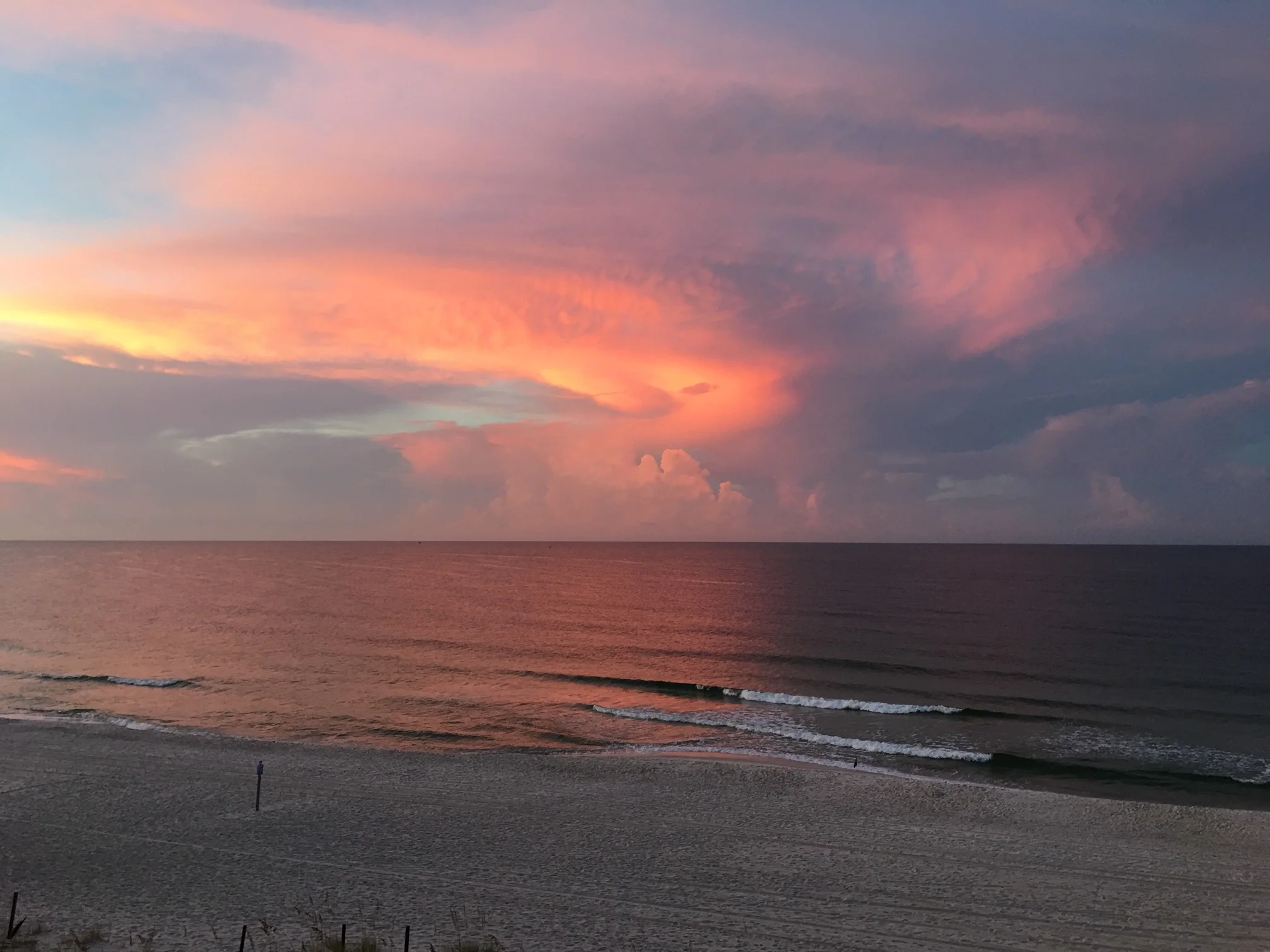
sunrise.JPG

This is the old story of practicing what we preach. We talk one way, but act another. My experience is that much of what we do is unconscious. We see ourselves as good and caring people. We know a certain belief is part of our core values; but our society speaks against it or does not value it. This gives us excuses or wiggle room so that we don’t have to follow through.

My experience is that fear and the scarcity/zero-sum mentality most often keep us from being this person God created us to be, not being able to act on what we know at our core is true. We fear we will not have enough money. We worry that someone will break in and steal what we already have. We fear our health will fail. We experience anxiety over the thought of being left alone and abandoned.

Being grateful, expressing thanks for what we have, is one of the best ways to journey out of a fear-based life. We have been given a daily reminder of how much we are cared for and loved. When I am most fearful, I rise early in the morning and watch the sunrise. Out of deep darkness comes overwhelming light. We are given a new hope, a new start, each day. Out of our darkness comes resurrection.

Joanna joannaseibert.com

Darkness and Light and Candles and Prayers

“If I say, ‘Surely the darkness will cover me, and the light around me turn to night,’ darkness is not dark to you, O Lord; the night is as bright as the day; darkness and light to you are both alike.” —Psalm 139:11-12.

ash-2179184_1920.jpg

At the five o’clock contemporary service every Sunday night at St. Mark’s Episcopal Church, the nave is darkened and illuminated only by tealight candles on the altar in front of a large icon. After the usual Prayers of the People with a Leader and People response, members of the congregation are invited to come up and light a candle in front of the altar as they say a silent prayer of intercession. Tonight’s pianist plays music from the Taizé community, as almost all the members of the congregation come forward.

While I remain in the chair behind my harp, I experience the scene as a Spirit-filled synthesis of corporate and individual intercessory prayer. I watch men and women and sometimes children walk silently up to light their taper and put it in a large earthenware bowl filled with sand. I know a few of the prayers that may be on some hearts. There are many people I do not know, much less what they are praying for; but I see faces displaying earnest emotion, and even sometimes silent tears. Even when I do not perceive their prayers, I can feel their power and maybe even their connection. There is a stream of people connecting to God in prayers for others, and certainly sometimes for themselves.

The light from the many candles now brings brighter light to the nave of the church. The scene has become its own icon for teaching us what happens when we pray. Out of the darkened nave, prayers are germinated and born which transform the darkness into light. I keep remembering that C. S. Lewis once wrote that he “prayed not to change God, but to change himself.” These silent prayers being transported by candlelight are changing the appearance of the church and the pray-ers, and certainly they are changing me.

Joanna joannaseibert.com

Our story

“The name is strange. It startles one at first. It is so bold, so new, so fearless. It does not attract, rather the reverse. But when one reads the poem this strangeness disappears. The meaning is understood.” —J .F. X. O’Connor, S. J., in A Study of Francis Thompson’s Hound of Heaven (John Lane Company, 1912), p. 7.

hound of heaven.jpg

Once a week I meet with a group of friends who share how God is working in their life. I go to this meeting on Saturday morning because I believe in miracles, and that belief is always affirmed by what I hear and see. These are a group of people who were caught in addiction, who thought there was no way out—but somehow, through the grace of God and with the help of community, found a new life. I give up my Saturday morning to meet with some people I have seen for years and others I have never met before. There are people from all walks of life, many I would not have known otherwise.

This Saturday, many people talk about the time when they realized there might be a way out of their old lifestyle. They call it a moment of clarity. Many were desperate. Some just knew this was not the path they would ever choose, but there they were.

When they decided to come to the group for help, they were at first very uncomfortable. I came to this 12-step group around Thanksgiving. I can remember seeing posters about a Thanksgiving potluck. I remember thinking I don’t like being here, and goodness knows I don’t want to eat with these people as well! Today, almost twenty-nine years later, most of the people I go out to eat with are those I met through this community!

Many talked about how they had no idea what gave them the courage to come to this meeting. Story after story revealed that there is something greater than all of us—caring, loving us, and calling us to become the persons we were created to be. I also see this phenomenon in people who come for spiritual direction. Something is calling us out of our God hole—the God, the Christ within us, who, deep down inside of our being, makes us aware that we are unconditionally loved.

In 1893 Francis Thompson wrote a 182-line poem about his experience of being “hounded” by God and called it The Hound of Heaven. I could not have given a better description.

Joanna. Joannaseibert.com