Unlearning and Climbing Ladders

Unlearning and Climbing Down Ladders

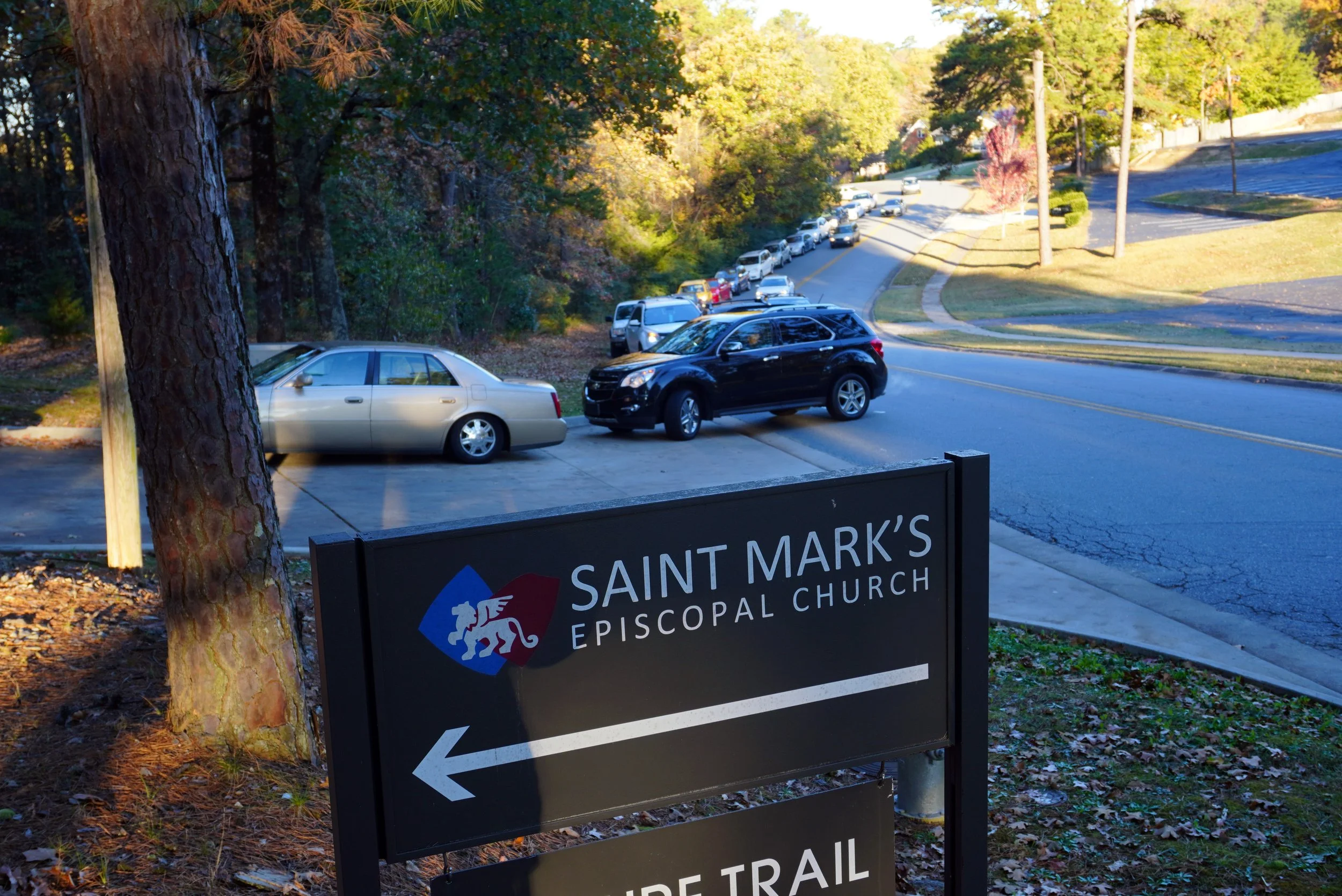
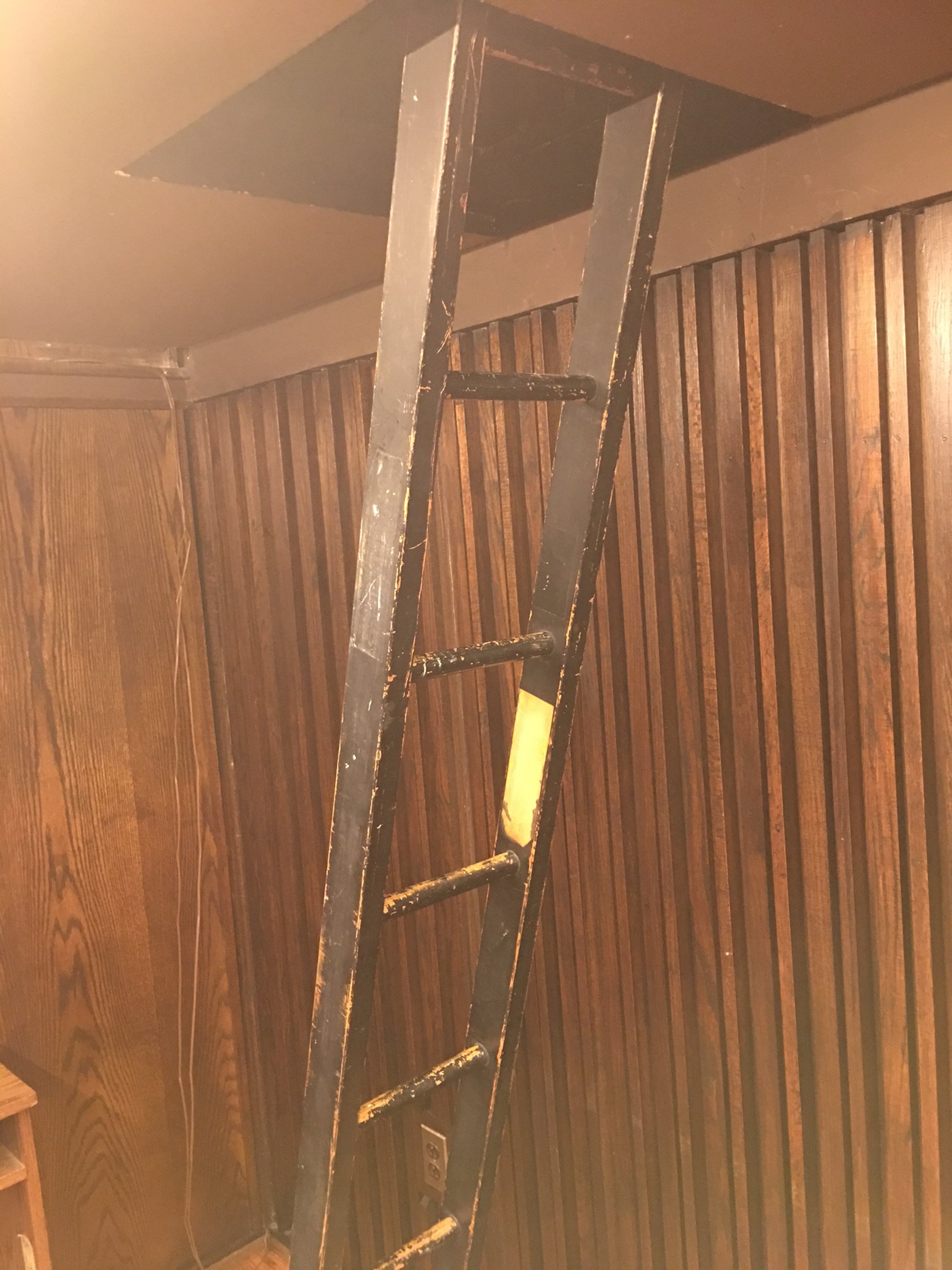
“When C. G. Jung was an old man, one of his students read John Bunyan’s Pilgrim’s Progress and asked Jung, ‘What has your pilgrimage been?’ Jung answered: ‘ Pilgrim’s Progress consisted in my having to climb down a thousand ladders until I could reach out my hand to the little clod of earth that I am.”’—C. G. Jung Letters, Vol. 1, Gerhard Adler and Aniela Jaffé, eds. (Routledge & Kegan Paul, 1972), p. 19, footnote 8.
Richard Rohr describes the spiritual path of unlearning and climbing down as “The way down is the way up.” But, unfortunately, we do spend our lives learning and unlearning, climbing up and climbing down. Thomas Merton said, “People may spend their entire lives climbing the ladder of success, only to find when they reach the top that the ladder is leaning against the wrong building.”
When three spiritual leaders share this secret, I listen. My experience is that people who try to stay at the top of the ladder are soon overtaken by younger and more competent people in their profession. Attempting to contend with this paradox leads many people to seek spiritual direction. They realize that their old life no longer holds the answers. Their soul cries out to be heard.

The “climb down” can be gentle, with the help of our friends who care for us because they love us, not due to what we have accomplished. They see the face of Christ in us and try to describe it to us. We meet some fascinating people on the way down whom we would never have paid attention to previously. The outer life becomes less important. Our inner life speaks more clearly and becomes heard. The descent is an ascent.

 Richard Rohr, Simplicity: The Freedom of Letting Go (Crossroad Publishing, 2003), pp. 168-169, 172-173.

Joanna. https://www.joannaseibert.com/


To the Joyous Ones

To the Joyful Ones 

“Shield the joyous; and all for your love’s sake.”—Order of Compline, The Book of Common Prayer (Church Publishing, Inc.), p. 134.   

“The joyous.” I know these people. I have worked with them. I live with them. I go to the symphony with them. I read their postings on Facebook. They call me in the early morning on the way to work every day. I go to church with them. I serve with them.

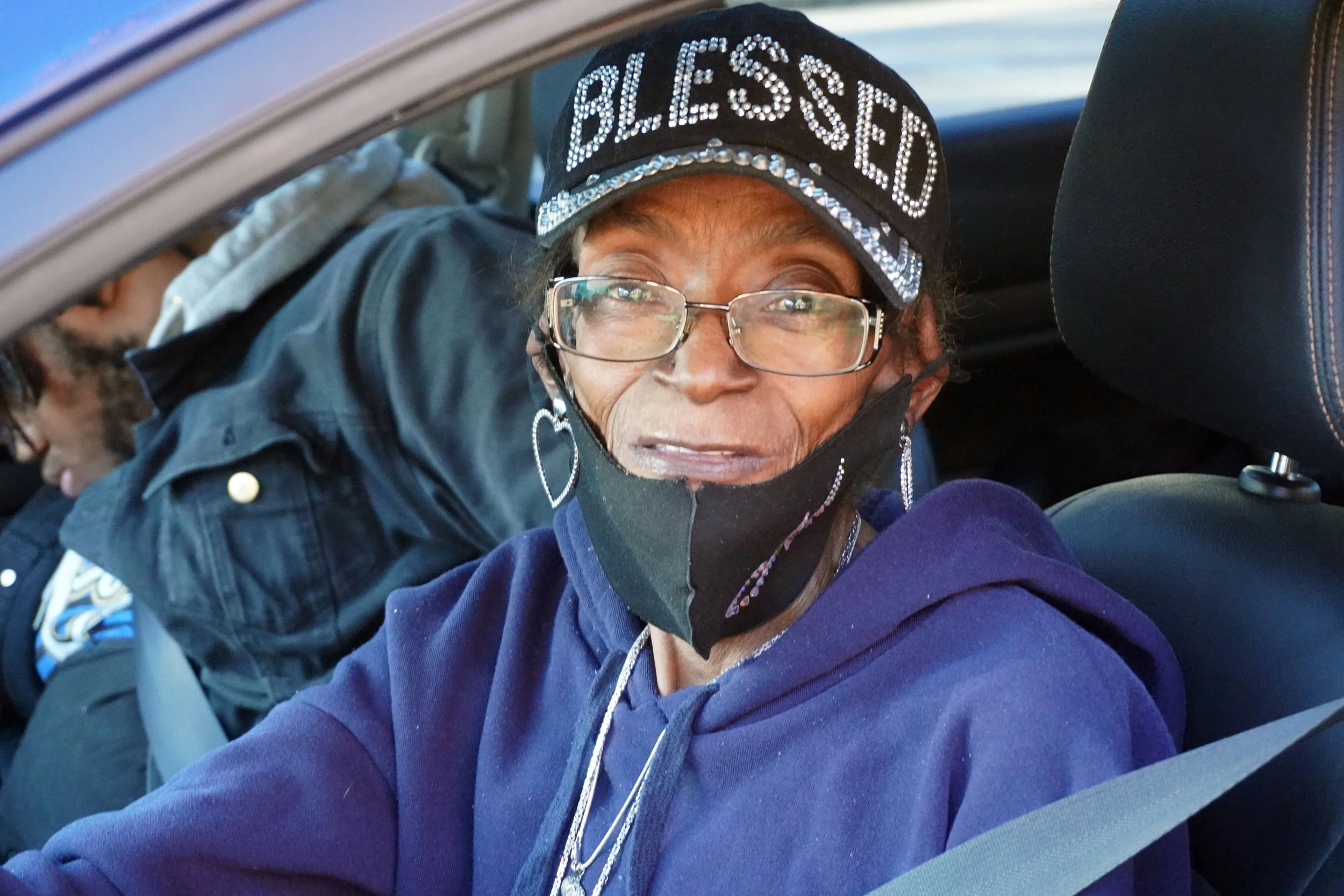
I especially find them at one place I never suspected: at our church’s weekly Food Pantry. They are not only the joyful people who serve there, but also those who come for food. That is why I selfishly have gone in the past, not necessarily to offer light, but to receive it, especially from the neediest families. I would sit and ask them how they were doing. “I am blessed,” is their response. Then, they bring each other to the Food Pantry and talk about sharing the meals together.

They share poignant stories of how God has been working in their lives, caring for them. They have never met a stranger. They ask us how we have been doing since we last met. Their voices echo laughter. They ask for prayers for other family members. They teach us how to live.

I also meet the joyous at recovery meetings. Gratitude exudes from every pore of their bodies. They know what their life was once like, and what it has become in recovery. They remind us that joy can be missing in our lives, whether we have nothing or everything. Happiness does not come from things or substances but from a relationship with a higher power that we most often call God. So, we surrender and decide to let this God run the show. I go to hear people talk at recovery meetings whose “lights are on,” especially when mine seem dim. I always leave lighter and brighter with a handful of gratitude.

What do these groups of people have in common? Community. A community of wounded people who have transformed their pain into healing each other. They are called wounded healers.

Food Pantry car line at Thanksgiving

The True Prophet

L’Engle: The True Prophet

“How do we tell the false prophet from the true prophet? The true prophet seldom predicts the future. The true prophet warns us of our present hardness of heart, our prideful presuming to know God’s mind. The ultimate test of the true prophet is love. A mark of the true prophet in any age is humility, self-emptying so there is room for God’s Word.”—Madeleine L’Engle in A Stone for a Pillow (Shaw Books, 2000).

We owe so much to Madeleine L’Engle and her books for children—which are even better for adults. Perhaps what I will remember the most, however, is that her award-winning 1963 Newbery selection, A Wrinkle in Time, was rejected twenty-six times before it was published and became an instant science fiction classic!

L’Engle tells us how we recognize authentic prophets and know when we speak with a prophetic voice. But there is more. I never know with certainty when I am doing God’s will at the time, but I can sometimes realize afterward that something was God’s will.

L’Engle’s thoughts can be helpful here. If my action is all about me, I must ponder whether this is God’s will. We are likely to hear the voice of God when we are in a place of humility, of self-emptying. If an action of mine is done in love or flows from love, that is a good sign that it may express God’s will. But Madeleine L’Engle tells us most of all if we think we are doing God’s will—especially if we feel pride that we are on the right track—we need to stop and reconsider.

So, it’s a grand mystery. If we think we have it, we don’t. If we don’t believe we have it, we may. I remember that previous helpful quote: “The opposite of faith is not doubt, but certainty.”

I think our country lost a true prophet in the life of Ruth Bader Ginsburg, a woman who spoke out to help others in humility and love, not for gain for herself, but for those oppressed, warning us of our hardness of heart, who like Madeleine L’Engle never gave up.

 Justice Ginsburg may be best remembered for her powerful dissents, symbolized in her writing and outwardly by wearing those unique dissent collars with her black robes. May we honor her by speaking out in love for justice when we encounter our neighbors oppressed. May we never give up dissenting, even when we think our voice is not being heard.

RBG Little Rock a year before she died