Beautiful People

Beautiful People

“The most beautiful people we have known are those who have known defeat, known suffering, known struggle, known loss, and have found their way out of the depths. These persons have an appreciation, a sensitivity, and an understanding of life that fills them with compassion, gentleness, and a deep loving concern. Beautiful people do not just happen.”—Elizabeth Kübler-Ross in Death: The Final Stage of Growth (Simon & Schuster, 1986), p. 96.
I remember meeting two new beautiful people in one day. I went to say prayers and give ashes to an older member of our congregation in the hospital on Ash Wednesday. While waiting at the elevator with my small silver pix filled with ashes, an African American wheelchair attendant asked me about the black ash on my forehead. I reminded him it was Ash Wednesday. He asked for ashes, as it was his Church’s tradition. He commented that he usually takes another elevator, but he stepped into this one today, and now he knew why.

So we had “ashes to go” right there as we waited for the elevators to come down. He was a gentle, sensitive man looking for God’s presence in all he did, especially in busy times. I do not know any of his life circumstances. We gave each other a blessing, and after the elevator came down, we parted as I went up to Henry’s floor.

Henry was sitting up, and his stepdaughter was sitting by him. I will never forget his fantastic smile as he recognized me and reached out to greet me with his left arm tethered to intravenous tubing. Both bandaged legs were elevated in his wheelchair. He had fallen and broken his hip, but he talked about having a puncture in his heel. Kindness and love shone through his dementia, as he apologized for not standing up when I entered his room.

His stepdaughter described him as the sweetest man she had ever known, and in only these few minutes, I knew it was true. I longed to stay for hours and simply listen to him talk, even though his confused conversation about his children and his life made no sense. I craved being in the presence of someone who seemed to know only love and kindness, even though he was not connected to mundane reality. I hope to share Henry with those I talk with about spiritual direction, and remind spiritual friends that love and God need not be rational understandings. Love has a distinctive “aura” that can fill a room fuller and faster than the most beautiful or intelligent phrases. Love moves the soul like poetry. 

There are many books about dementia and Alzheimer’s. Spiritual friends often ask about finding love and God as they watch a loved one slip into dementia. But unfortunately, not all are like Henry.

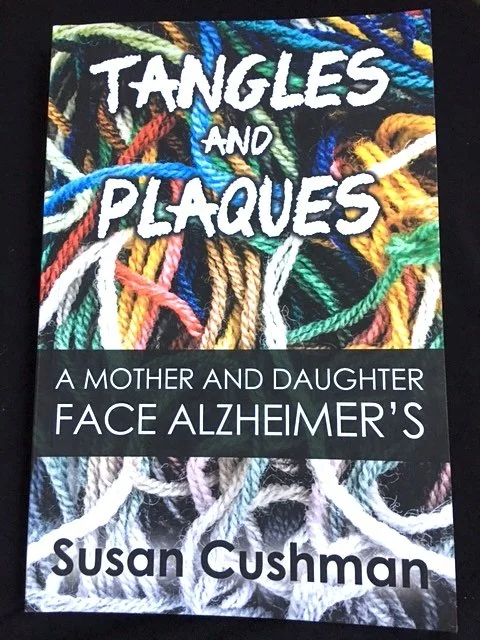
I usually share two helpful books. First, Susan Cushman has written Tangles and Plaques: A Mother and Daughter Face Alzheimer’s, about a more challenging situation. Second, Frank Broyles has published a practical book about caring for his wife, who has Alzheimer’s: Coach Broyles’ Playbook for Alzheimer’s Caregivers: A Practical Tip Guide.

Many more resources are available from the Alzheimer’s Association.

I think some of the most beautiful people that Kübler-Ross talks about are not only the dying, but also those with dementia and those who care for them.

A Prayer of St. Chrysostom

A Prayer of St. Chrysostom

“Almighty God, you have given us grace at this time with one accord to make our common supplication to you; and you have promised through your well-beloved Son that when two or three are gathered together in his Name you will be in the midst of them: Fulfill now, O Lord, our desires and petitions as may be best for us; granting us in this world knowledge of your truth, and in the age to come life everlasting. Amen.”The Book of Common Prayer (Church Publishing, Inc.), p. 102.

I often said this prayer at the end of the daily Morning Prayer Office from The Book of Common Prayer, and shared it with others desperately seeking hope. When we pray together, we affirm that God hears our prayer, even before we pray. As I say this prayer, I remember that C. S. Lewis always reminds us that we pray not to change God, but for God to change ourselves.

As we pray this prayer in the Daily Office of Morning Prayer, we can feel connected to all others in all places praying along with us. That is why I have often joined a group of pray-ers saying prayers at a particular hour of the day for a specific person we know in need or distress. The profound realization that others pray petitions for the same person or cause all over the country or world is a holy force of nature. Sometimes, we may later find out whether that person is safe or has improved, but always, always, we are changed.

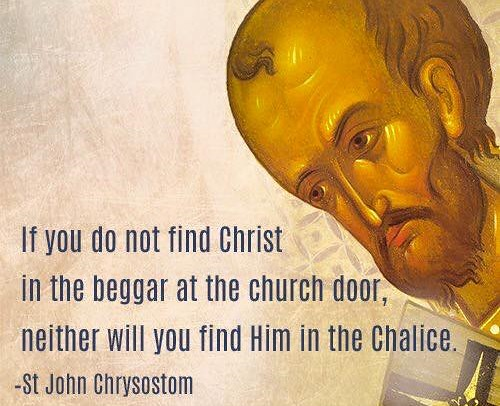
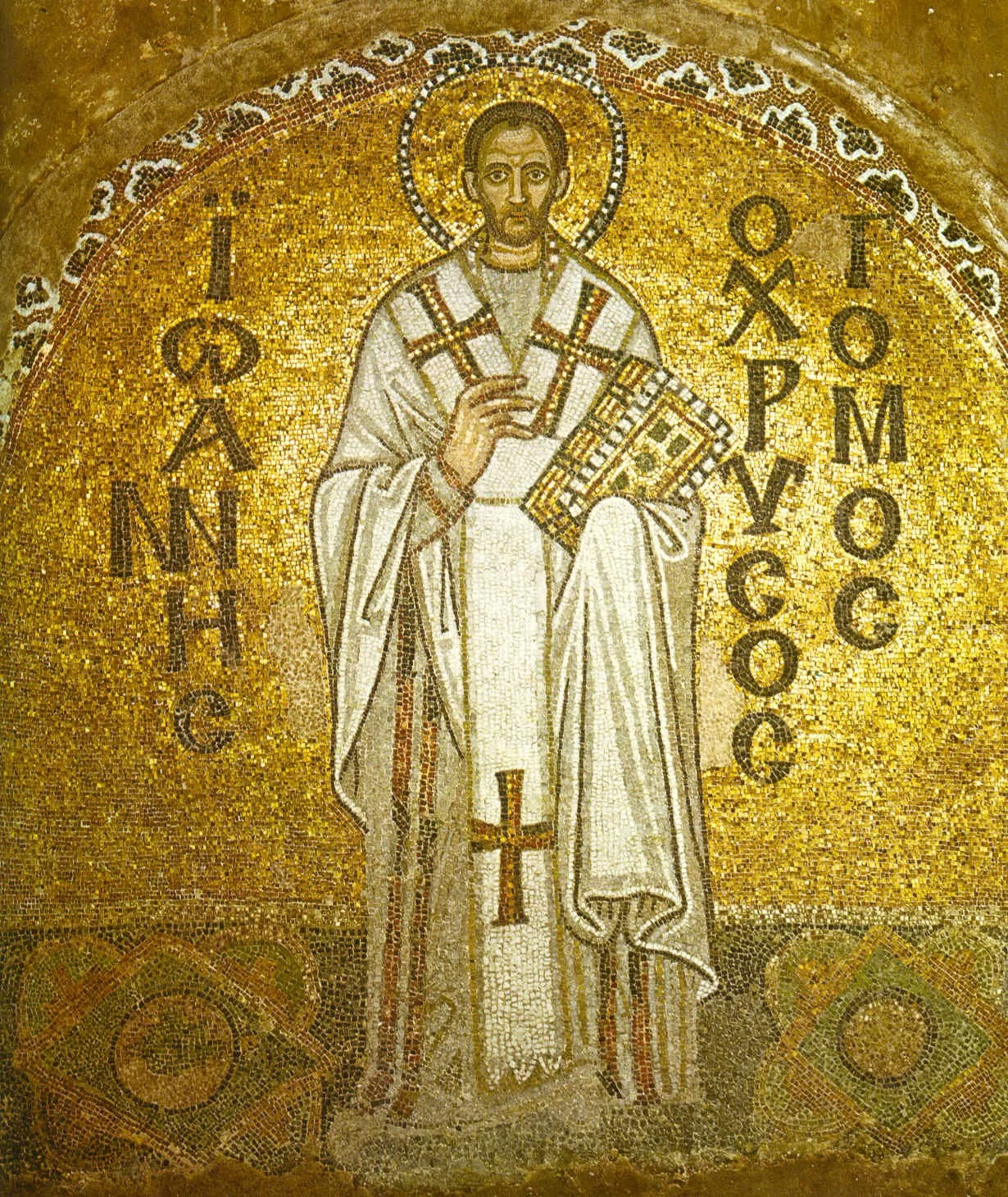
St. Chrysostom’s prayer also reminds us of how fleeting fame is. Chrysostom, an archbishop of Constantinople in the late 4th century, often referred to as the “golden mouthed” because of his excellence in preaching, was the most famous early Christian preacher and prolific writer, exceeded only by Augustine. He was outspoken about abuses in the Church and politics. His legacy is still dominant in the Eastern Orthodox tradition, and we celebrate his feast day on September 13. However, I know only a few preachers in our tradition who quote his famous Easter sermon, usually at the Vigil.

This daily prayer constitutes all that many of us in the Western Church still possess to remember him, but it is more than enough because of its power and wisdom.

Joanna.   https://www.joannaseibert.com/


Buechner: Dealing with Pain

Buechner: A Good Steward of Pain

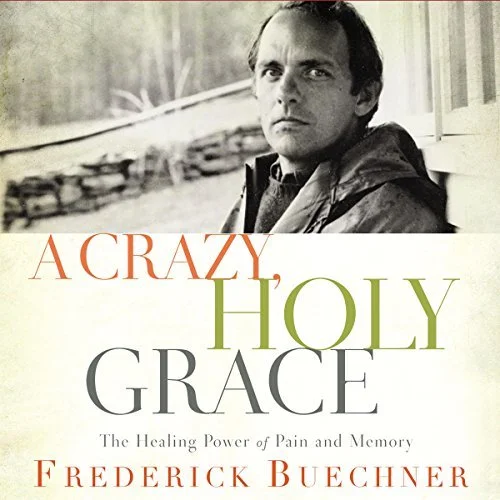
“I am sure there are one hundred and six ways we have of coping with pain. Another way is to be a good steward of it.”—Frederick Buechner in A Crazy Holy Grace (Zondervan, 2017).

Two book clubs I participated in read A Crazy Holy Grace, a recent collection of Frederick Buechner’s essays about pain and memory. In one story from a previous book, The Eyes of the Heart, Buechner writes about a unique series of rooms in his home that constitute his sacred space. He describes his writing space, the library—the largest room, with ceiling-high shelves of books, including the Uncle Wiggly Series, his first editions, and sermons of John Donne. Also, in the room are unique objects meaningful to him: framed autographs of heroes such as Queen Elizabeth I and inscribed portraits of heroes such as Mark Twain and Anthony Trollope.

In his imagination, Buechner then invites people from his past into what he calls his Magic Kingdom. Next, he carries on a loving and humorous conversation with his ninety-four-year-old grandmother, Naya, whom he dearly loves. As he tells it, she describes their relationship as “a marriage made in heaven. I loved to talk, and you loved to listen.”

Finally, Buechner asks her about death. Naya describes it as “stepping off a streetcar before it has come to a stop.”

Buechner has written extensively about his mother, who deals with her pain by burying it or forgetting about it, his father, who deadens his pain with alcohol, and finally, a tragic suicide when Buechner is ten years old. Buechner seems to have worked through difficulties in those relationships by writing about them. However, he still cannot invite his parents into his sacred space because of fears they may be too much or too little.

Buechner models two approaches for us: letting God guide us to heal through our past pain. First, we can return in our imagination to a sacred space to be with those with whom we feel safe, and let them guide us through our pain. Second, when we are uncomfortable dialoguing directly with those we have difficulty with, we can dialogue with them on paper. His experience is that God works to heal us through both methods.

This has been my experience as well. So, now I pass Buechner’s knowledge on to each of you and pay

  it forward.

Joanna.   https://www.joannaseibert.com/