The Essence of our Being

 THE ESSENCE (i.e., “GOD”)

Guest Writer: Gary Kimmel

“The difference between you and God is that God never thinks he is you.” – Anne Lamott in Help, Thanks, Wow: The Three Essential Prayers (Hodder & Stoughton, 2001)

God is the essence of Creation. That essence may be a noun (e.g., tree, rain, child) or a verb (love, parenting, growing). It is not for us to put in a box; it is not for us to understand. Instead, it is for us to experience and embrace. 

My concept of “God” has evolved over my life. Initially, “God” was the outstretched hand on the ceiling of the Sistine Chapel, human in nature reaching out in a paternal touch. But, for a long time, I have thought of “God” in much more non-human terms. Once, I compared “God” to the 2nd Law of Thermodynamics – the force that provided equilibrium to creation. While I didn’t really believe this, it gave my mind something to hold on to that was not predicated on making “God” human.

We were made in the image of God, not the other way around. Unfortunately, we have often relegated God to the limits of a human being.

Over the past several years, our study group has explored sources that in some way discuss “God,” most often from a very broad and comforting perspective. Most recently, I have found the term Essence captures as much as possible my concept of “God.” It is not a single identifiable object or condition. Instead, it pervades all and is the defining entity of everything, including that elusive energy that ties all Creation together.

I have put “God” in quotes because I have found the term so co-opted by the personification of the concept that it is no longer meaningful to me. In fact, the perpetuation of the human-like “God” in our minds may keep us from evolving within Creation. For the moment, Essence will suffice for me.

Gary Kimmel

Joanna. https://www.joannaseibert.com/


Making Changes in Our Lives

Mirrors and Changing Our Lives

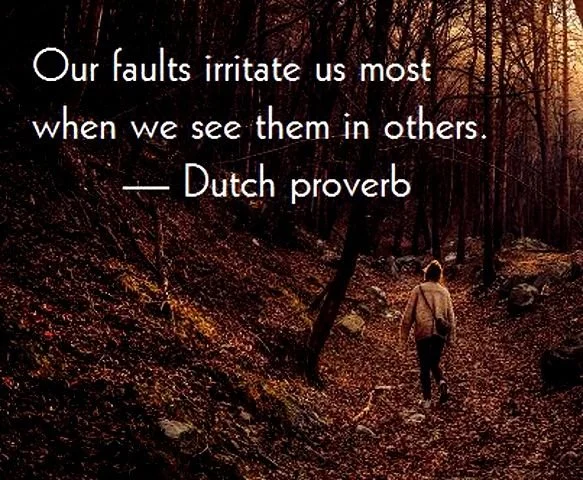
 “What we see in other people – particularly those who affront us – is ourselves. They wouldn’t get to us the way they do if they didn’t already have a place in us. They are the mirror. Either that, or we are being visited by someone we will become. Rather than looking upon them with distance or disdain, treat them with kindness because they are kin to us.”—Br. Curtis Almquist, Society of Saint John the Evangelist

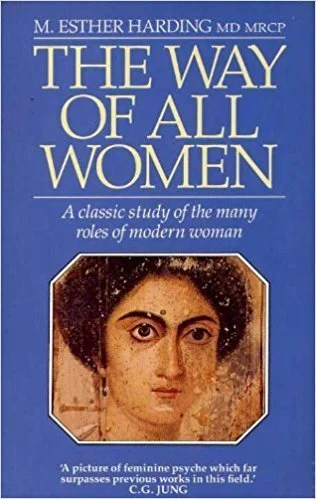
Esther Harding also concisely explains how we change as we see ourselves in others. We change as we become conscious of our sins and faults, as they are reflected in someone else. We often recognize the parts of ourselves that need to change only as they are reflected in others. We say, “This is awful. I do not want to be like that.” Then, through some unknown factor, perhaps God’s Grace, we realize that character defect, that sin, that failing is also in us. I often find myself not wanting to be around a particular person. That is usually a clue that they carry a trait I do not recognize in myself, but seeing it in the other person, I am repulsed by it.

The reverse side of this truth is that sometimes, the people we most admire carry a gift we do not recognize in ourselves.

I also know from 12-step work how people change. They hit bottom. They become so overwhelmed by their condition, so “sick and tired” of how miserable their life is, that they will do anything to change. They see someone else who has recovered from addiction and wish for that life. They then seek help from them.

So, what does all this do with our life in the Spirit? My experience is that it is indeed the Spirit, the Christ, the God within us that is a catalyst for change, that whispers in our ear that those defects we acknowledge in others may also be in us—that a better life is possible. Those in 12-step programs call it a “moment of clarity.” I believe that God is speaking to us at that moment of clarity, and we can listen. Finally, we can hear, as Benedict tells us, with “the ear of our heart.”

Eventually, we see others as gifts, whether they repulse us or we admire them. We share similarities that we learn to know through inner work. We learn to thank them for their presence in our lives.

Choosing Options

Grisham: Ignatian Method of Discernment, Peace of God

Guest Writer Lowell Grisham

Loyola Jesuit Institute

No one has done more work on the discipline of discernment than the Jesuits, the monastic descendants of Ignatius of Loyola. Although I can’t recall who taught it to me, for many years, I’ve used an Ignatian discernment method from time to time when I’ve faced a choice between two options. Here’s the way it was given to me:

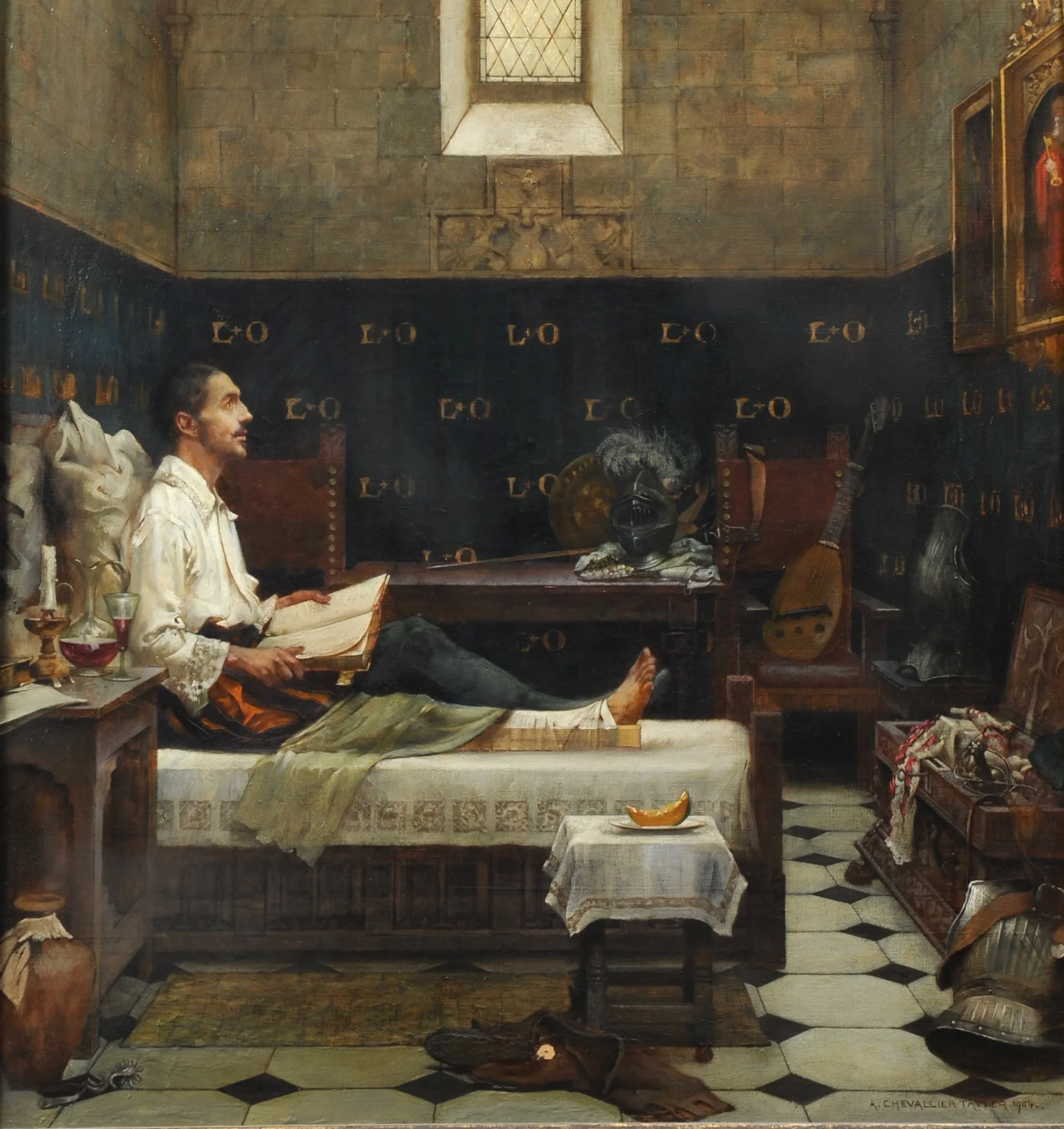
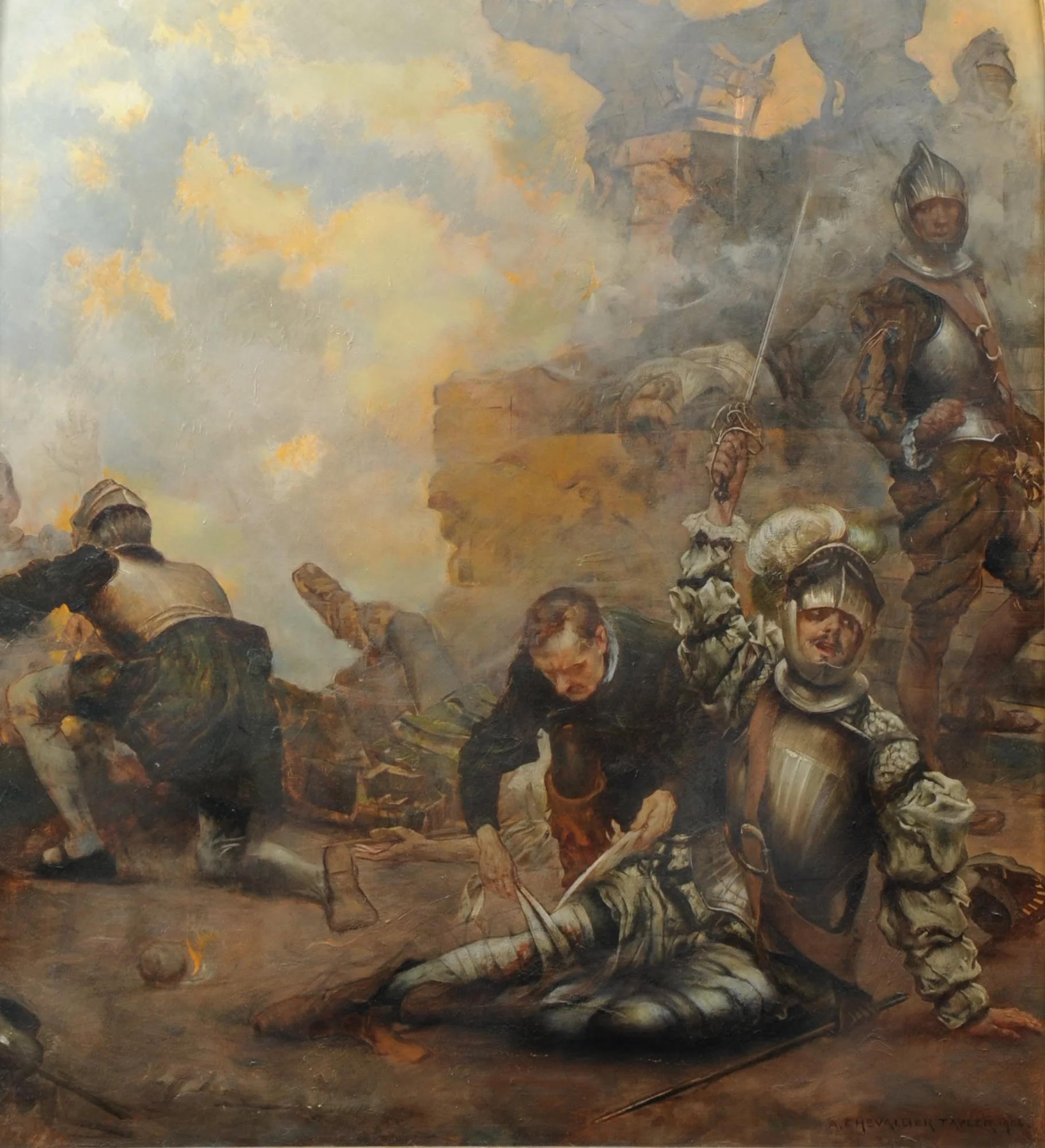
In a battle in the early 1500s, Ignatius was seriously wounded. (I believe an artillery shell shattered his leg.) He spent months of painful convalescence. However, he found that his pain was sometimes relieved when he went into periods of active imagination. He imagined his life when he was healed and released from the hospital. He made up stories about his future life, using all his senses to place himself in the future. He created scenes from his imagined future and experienced them vividly—with sight, sound, touch, taste, and smell—thinking and feeling what his alternative life might be. 

Whenever Ignatius was actively imagining, his pain decreased, and the time seemed to pass more quickly. He discovered that his imagination gravitated toward two narratives. In one narrative, he would experience becoming a great, chivalrous knight, doing valiant deeds of courage, and winning the hand of a noble maiden. In the other narrative, he would experience becoming a knight for Christ, boldly taking the gospel into the most remote, challenging, or needed places.

While in active imagination, Ignatius experienced relief with either narrative. But he noticed a significant difference in where his spirit went afterward, when he was just taking care of business in a normal state of consciousness.

He noticed in the hours following his narratives about becoming a noble warrior knight that he experienced a sense of turbulence, discomfort, and even desolation. But he became aware in the hours following his imagining of becoming a knight for Christ that he experienced a sense of consolation, harmony, and peace. Ignatius interpreted the sense of peace as the presence of God, drawing him into God’s will for him and helping him discern the direction of his future. So, he embraced the vision of that second narrative and became a noble knight for Christ, seeking to undertake the greatest service possible to the Church and the world.

The presence of peace is a sign of God’s will. In the chaos and storm of a decision, I sometimes use a form of Ignatian discernment practice when there are two potential options or directions. First, I’ll set the two options before me. Then, one day, I will spend some time actively imagining myself living in the first option, using all five senses to create scenes from that future possibility. Then, I will go about my regular daily activity, but I’ll keep a bit of attention directed to notice where my spirit goes. Another day, I’ll spend time in active imagination, living with the other option. Then, I will pay attention to my spirit, mood, and intuition during the ordinary business. What after-effect is there following each separate scenario?

If I sense some form of consolation and peace in the ordinary time following active imagination with one narrative, and if I perceive turbulence in the ordinary time following imagination with the other narrative, I’ll accept that as a sign of God’s will. The presence of peace is the key. 

Where does the peace of Christ lead us, especially when our boat seems tossed and we’ve lost control of our direction? A sense of peace can give direction toward God’s will for us and for the maximum exercise of our creativity, courage, freedom, and service. Sometimes, a little active imagination can lead us toward discernment.

Lowell Grisham

I use this in my life to discern directions for ministry and offer it to others discerning a path on this journey. It was loaned to me by Lowell Grisham, retired Rector of St. Paul’s Episcopal Church, Fayetteville, Arkansas.

wwwjuesiuteast.org