Fog

Fog

“We mostly spend our lives conjugating three verbs: to Want, to Have, and to Do. Craving, clutching, and fussing on the material, political, social, emotional, intellectual, and even on the religious plane, we are kept in perpetual unrest, forgetting that none of these verbs have any ultimate significance, except so far as they are transcended by and included in the fundamental verb, to Be, and that Being, not wanting, having and doing, is the essence of the spiritual life.”— Evelyn Underhill in  The Spiritual Life.

 I rise early on our first day at the beach in over six months to a fog so dense we can barely see in front of us. The mist lifts slightly. A pod of silent pelicans flies by so close I can almost touch them. They take my breath away. Their majesty is stunning. I spy dolphins at a distance and follow them across my visual path. Finally, the fog clears just enough to see an osprey high above the water, looking for breakfast.

fog clearing

This is the story of life. Most of the time, we live in a fog, never knowing our direction or path completely. We have moments when the fog clears briefly, and we receive insights. The dolphins, the pelicans, and the osprey are like those insights that majestically fly by. If we are not alert, we will miss them. We treasure those moments and wait patiently for the next ones.

 As I write, I have lost the dolphins. It is a lesson. If we are not constantly alert, we will miss the insight. But being observant cannot happen continually. We want to hold on to our brief insights and capture them for future reference. But we must always be careful not to worship the insights. This could be like the disciples wanting to make booths for Elijah and Moses at Jesus’ Transfiguration.

One more observation. As I stay alert, any pain and anxiety I have go away. I learn that being mindful and living in the present moment is a way of surrendering my life to God. It is a place of peace.

Joanna. https://www.joannaseibert.com/

 

Prayer Lead to Service, Service Leads to Prayer

Prayer and Service

“Prayer and service can never be seen as contradictory or mutually exclusive. Prayer without action can grow into powerless pietism, and action without prayer can degenerate into questionable manipulation.

If prayer leads to deeper unity with the compassionate Christ, it will always give rise to concrete acts of service. And if concrete acts of service lead us to deeper solidarity with the poor, the hungry, the sick, the dying, and the oppressed, they will always give rise to prayer. In prayer, we meet Christ, and in him all human suffering. In service, we meet people, and in them, the suffering Christ.” —Henry Nouwen in You Are the Beloved.

Martha Mary

Our prayers should always lead us to service. That is why I am part of our Daughters of the King, who serve as a model of prayer leading to service. As deacons, we are called to servant ministry, leading others to servant ministry. We may be pulled in so many directions and forget about prayer. There is such a great need that we sometimes forget to pray before we start.

We may pray constantly as we try to see Christ in the people we serve or in the people we lead to serve. We strive to bring the needs of the world to the church, but they become overwhelming. Prayer helps us recognize the most pressing needs at various times in our world. Prayer helps us direct the needs of the world to others, hearing that call to serve.

mary and martha

As deacons, we stand beside those serving the world. We stand beside our bishop, our priests, the laity, and those serving the needs of the church and the world. Prayer is the glue that connects us and supports others who also serve the needs of the world in God’s church.

I think I have some good ideas, but I have painfully learned that when I don’t offer these ideas in prayer, I travel down paths that do not lead to fruitful ministry. Our prayers give us the words to say as we minister to others. Prayers give us the words to say to lead others. Our prayers remind us that we are not lone rangers, but are led by one who is always beside us as we serve alongside others.

Joanna joannaseibert.com. 

Changing Unceasing Thoughts to Unceasing Prayers

 Changing Unceasing Thoughts to Unceasing Prayers

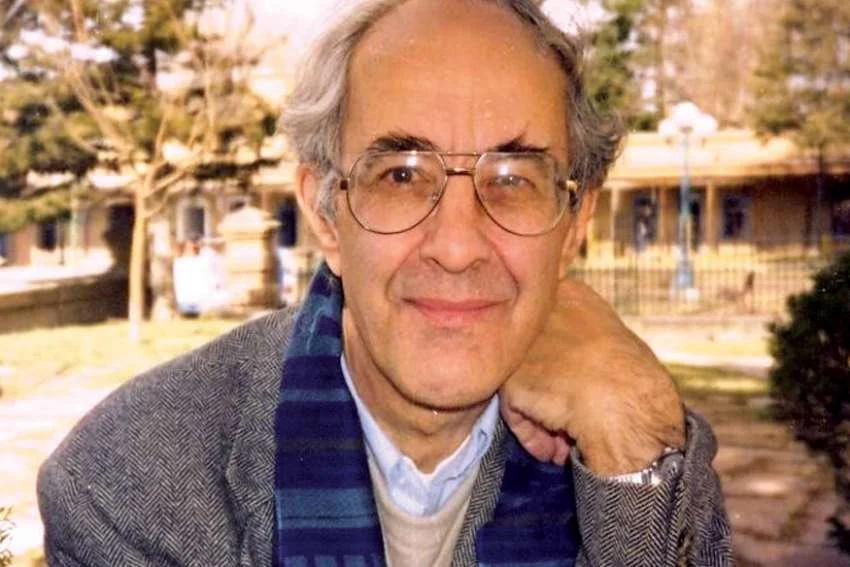
Henri Nouwen

“Our minds are always active. Do we have to become victims of our unceasing thought? No, we can convert our unceasing thinking into unceasing prayer by making our inner monologue into a continuing dialogue with our God, who is the source of all love.”—Henri Nouwen in Bread for the Journey (HarperSanFrancisco, 1997).

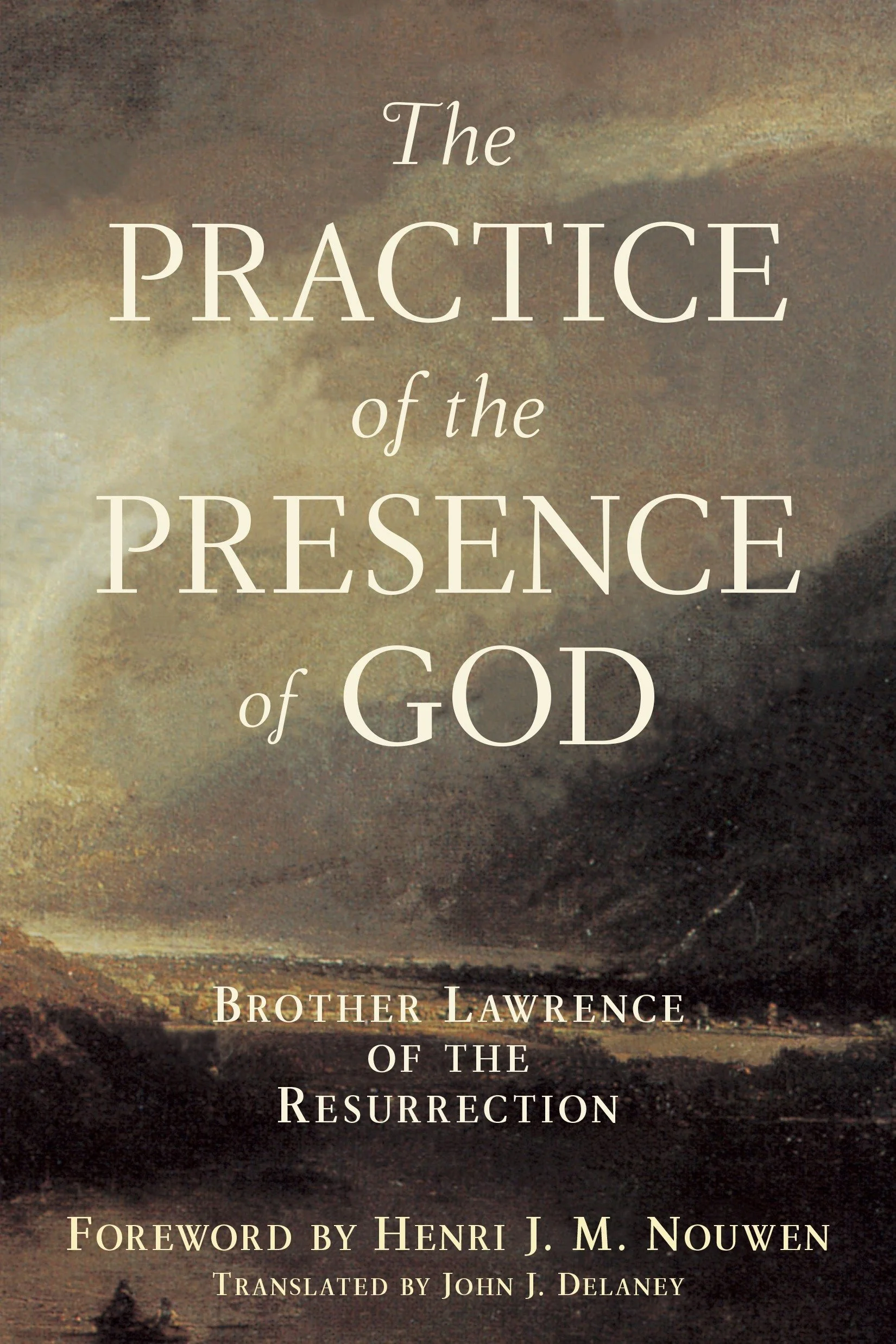
The first book to understand unceasing prayer is Practicing the Presence of God. It is a small collection of the teachings and experiences of Brother Lawrence, a French Carmelite monk who served as the cook for his community in Paris during the 17th century. Father Joseph Beaufort compiled the book from letters and four conversations with Brother Lawrence, as the latter described his walk with God, not from the head but from the heart.

 Brother Lawrence saw God in every aspect, every second of his life, as he washed pots and pans, purchased wine, or cooked meals—continually conversing with God. He never became weary of doing insignificant things for the love of God, believing that intervals of prayer should not differ from other times. Lawrence saw God as a friend he would not want to be estranged from, feeling God’s presence more acutely in sickness than in good health.

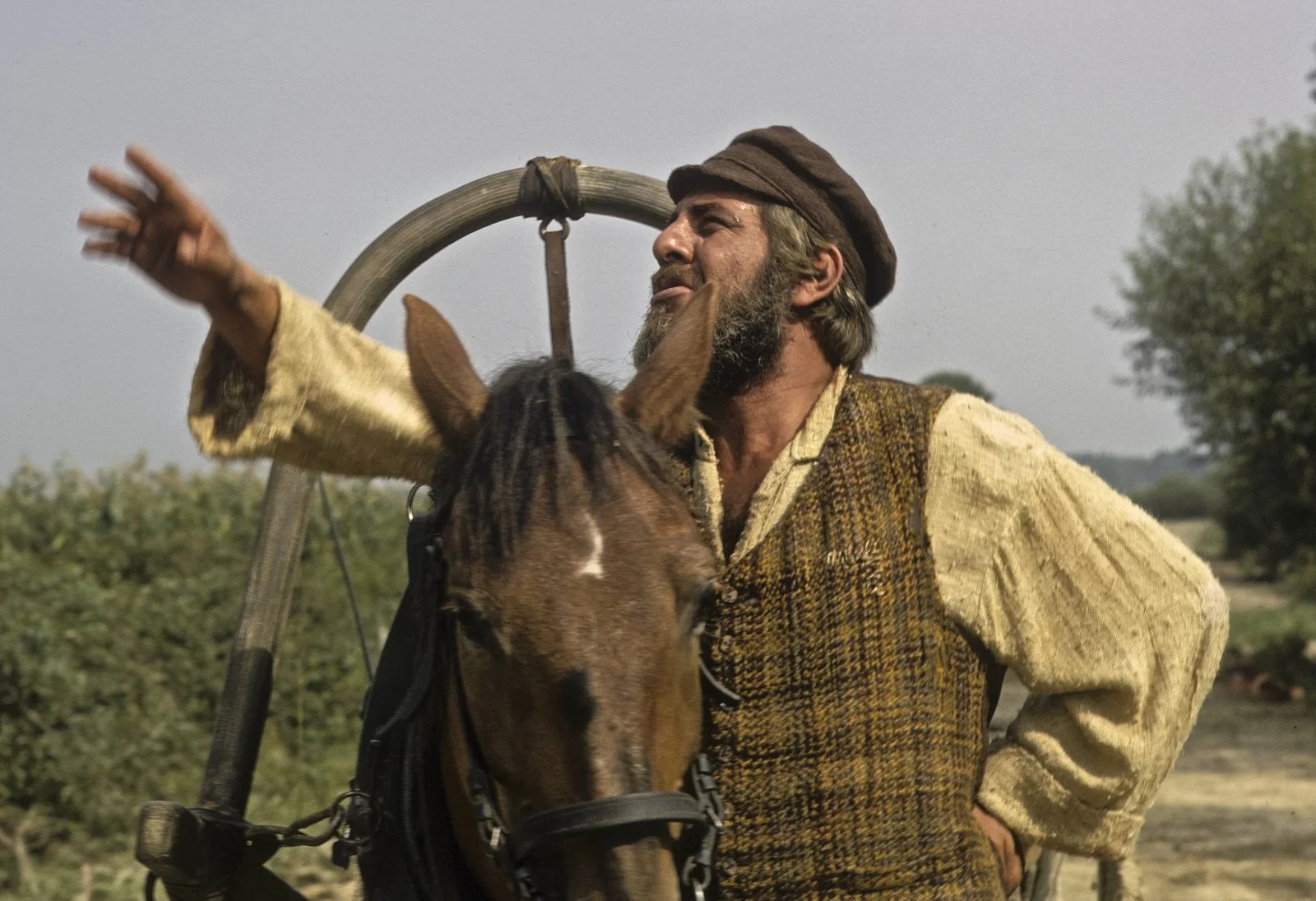
My favorite fictional role model for continually being in conversation with God is Tevye in the 1971 American dramatic musical Fiddler on the Roof.

I try to watch the movie several times a year and attend the play whenever it comes to Little Rock. It is long, but worth journeying with Tevye in his ongoing conversations with God through a journey of love and many trials. 

Joanna. https://www.joannaseibert.com/