Winning and Losing and Resurrection

Winning and losing

“We perceive that only through utter defeat are we able to take our first steps toward liberation and strength. Our admissions of personal powerlessness finally turn out to be firm bedrock upon which happy and purposeful lives may be built.”—TWELVE STEPS AND TWELVE TRADITIONS.

My grandchildren have reintroduced us to the world of sports. Sporting events were the social life in the small town where I grew up, where everyone came out to support our high school, which had approximately 200 students. Now, we are glued to the television for their high school and college games, hoping to find children and grandchildren playing or in the crowd. Of course, there has been no escaping Razorback football as well. Otherwise, we would not know about the games to understand or share in conversations with many friends.

We cannot escape it. Our schooling, sports events, and professional work are all about winning and losing. I root for all the schools where our grandchildren now reside: Arkansas, Georgia, Tulane, and now Kentucky and Liverpool. Sometimes it is so intense that my husband and I have to switch to another channel and look for replays. When we win, we are excited, even if we miss it in person. But watching in person shows us something we may miss when we are not there in real-time. We see the agony of defeat. The next day, I think about kickers who missed that winning field goal or receivers who missed that last football thrown into their hands over the goal line.

Richard Rohr has pointed out another way of life, which he calls the prophetic path. We take two steps forward and one step back. In the suffering of our step back, we gain the wisdom and energy to take the next steps forward. The whole process continues, forward and back. 12-step literature might call it “a moment of clarity.” For Christians, the wisdom gained to move forward again after suffering a step backward might be called resurrection. Resurrection is a continuous cycle in our lives every day if we choose to accept it.

Joanna    https://www.joannaseibert.com/
                                                                                         

Gratitude

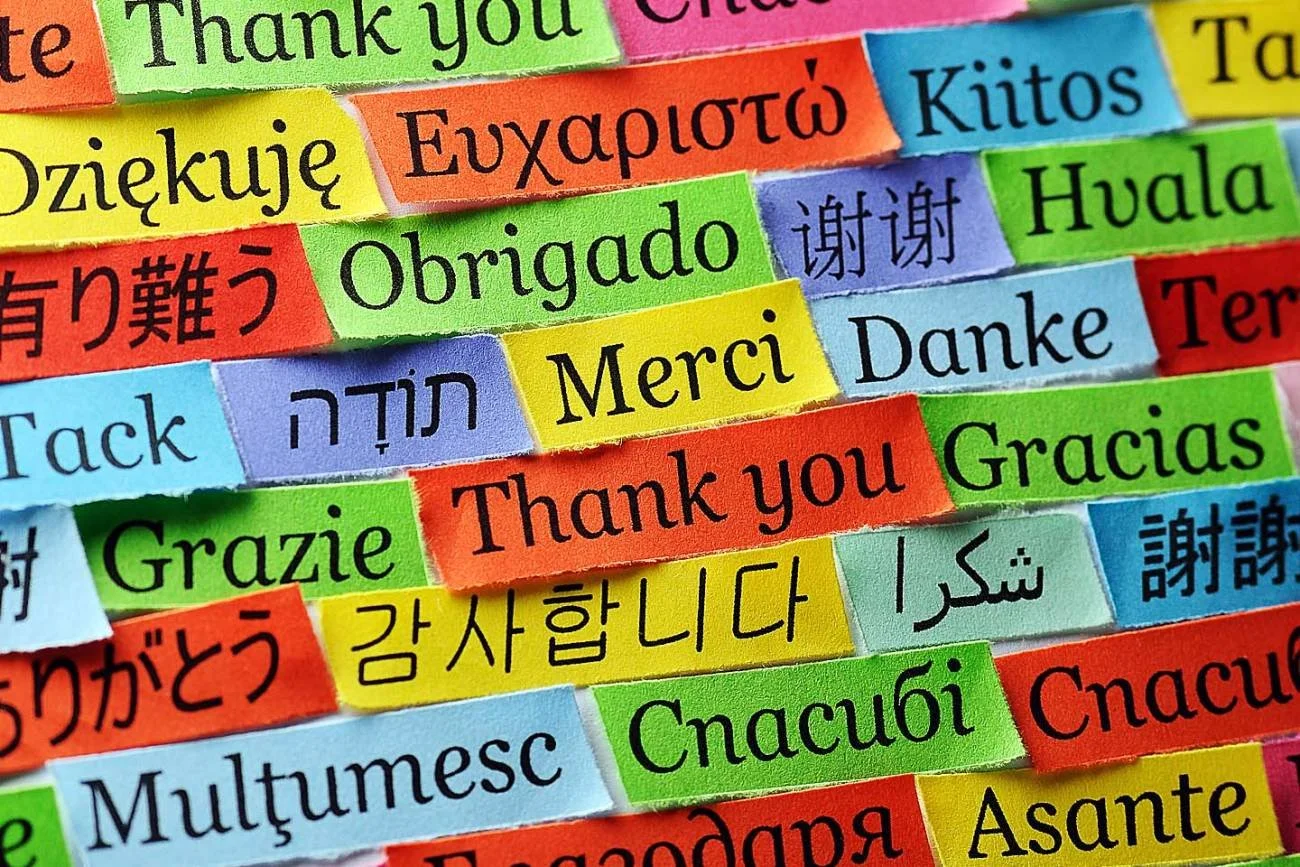
 Gratitude

“Live your life so that the fear of death can never enter your heart. When you arise in the morning, give thanks for the morning light. Give thanks for your life and the strength it brings. Give thanks for your food and the joy of living. And if perchance you see no reason for giving thanks, rest assured the fault is in yourself.”—Ascribed to Chief Tecumseh.

Gratitude is one of the secrets to a Spirit-filled life. Those in 12-step recovery groups believe we are less likely to return to our old addiction—what they call “a slip”—if we continue to be grateful each day. Therefore, whenever someone in recovery is not doing well, the most suggested remedy is to make a gratitude list to refer to daily, especially at night.

The insight from Trees for Life founder Balbir Mathur is that he “travels in a boat called Surrender. His two oars are Forgiveness and Gratitude,” which also serve as a guide for our lives. We live a life of peace as long as we can surrender to a power greater than ourselves, and are willing to forgive and remain grateful for what we have.

As a result, our blood pressure stays closer to normal. We are less likely to become irritated at all of life’s hiccups: our computer is not responding, our phone is dying, but the Apple store is closed, someone has said something unkind, we have expectations of ourselves and others that are not being met, our body is not working the way it should, we are not getting our way or achieving our plan for the day, we miss our family and friends, we are losing our job, we are afraid of this virus.

Sonja Lyubormirisky, in her book The How of Happiness, writes, “No matter where you are, or who you are, or what faith you have, or your circumstances .... the number one indicator of happiness in your life is very closely tied to your level of gratitude!”1

Guided by forgiveness and gratitude, we can live assured that there is a grand plan beyond our own. Our job is to be grateful for this one more day to make a difference and offer love to the lives around us.

My husband and I once made fun of an older man, a friend of his father’s, who often said, “You must have an attitude of gratitude.” We both know now that there is no greater wisdom for living than this simple formula.

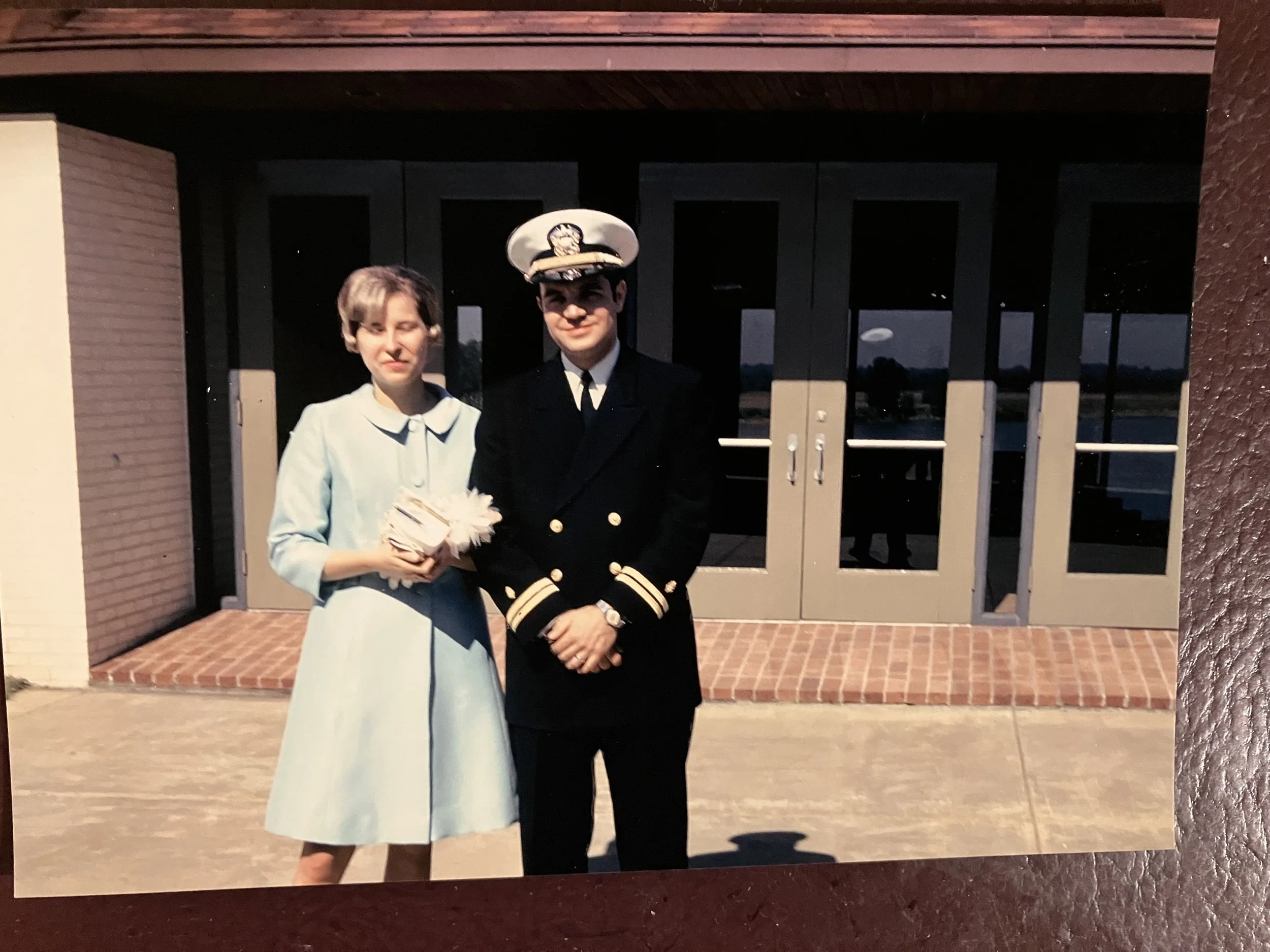
We especially give thanks today and daily for the privilege of living with each other for these 56 years, as we stood in front of the Church by the River where we were married.

1 Thank you, Don Follis, for sending this quote to me.

Joanna. https://www.joannaseibert.com/


Marrying contemplation to action

Marrying Orthodoxy to Orthopraxis

Women’s March

“There’s a movement in the church to marry action and contemplation, to connect orthodoxy and orthopraxis. We’re not throwing out what we believe, but also focusing on practices that bring those beliefs to life. In the past few decades, Christianity has primarily been about what we believe. But in Jesus, we see an invitation to join our actions with a movement, rather than ideas and doctrine. People have grown tired of a Christianity that can say what it believes on paper but doesn’t have anything to show with our lives.”—Adapted from Shane Claiborne in When Action Meets Contemplation (Center for Action and Contemplation, 2010), disc 1.

Orthopraxis, or practicing our faith, differs from Orthodoxy, which is adherence to a particular belief. It is a paradox. We need both. We need to frame and reframe what we believe, but if we do not put that belief into practice, we are like a “noisy gong.” I am one of those people Shane Claiborne talks about who has numerous t-shirts spelling out social justice issues—but until I write letters, or make phone calls, or visit those in prisons, or those who are sick or in trouble, or those who are trying to immigrate to our country because they are in danger, I am not putting that belief into practice. I have learned this most pointedly from younger people.


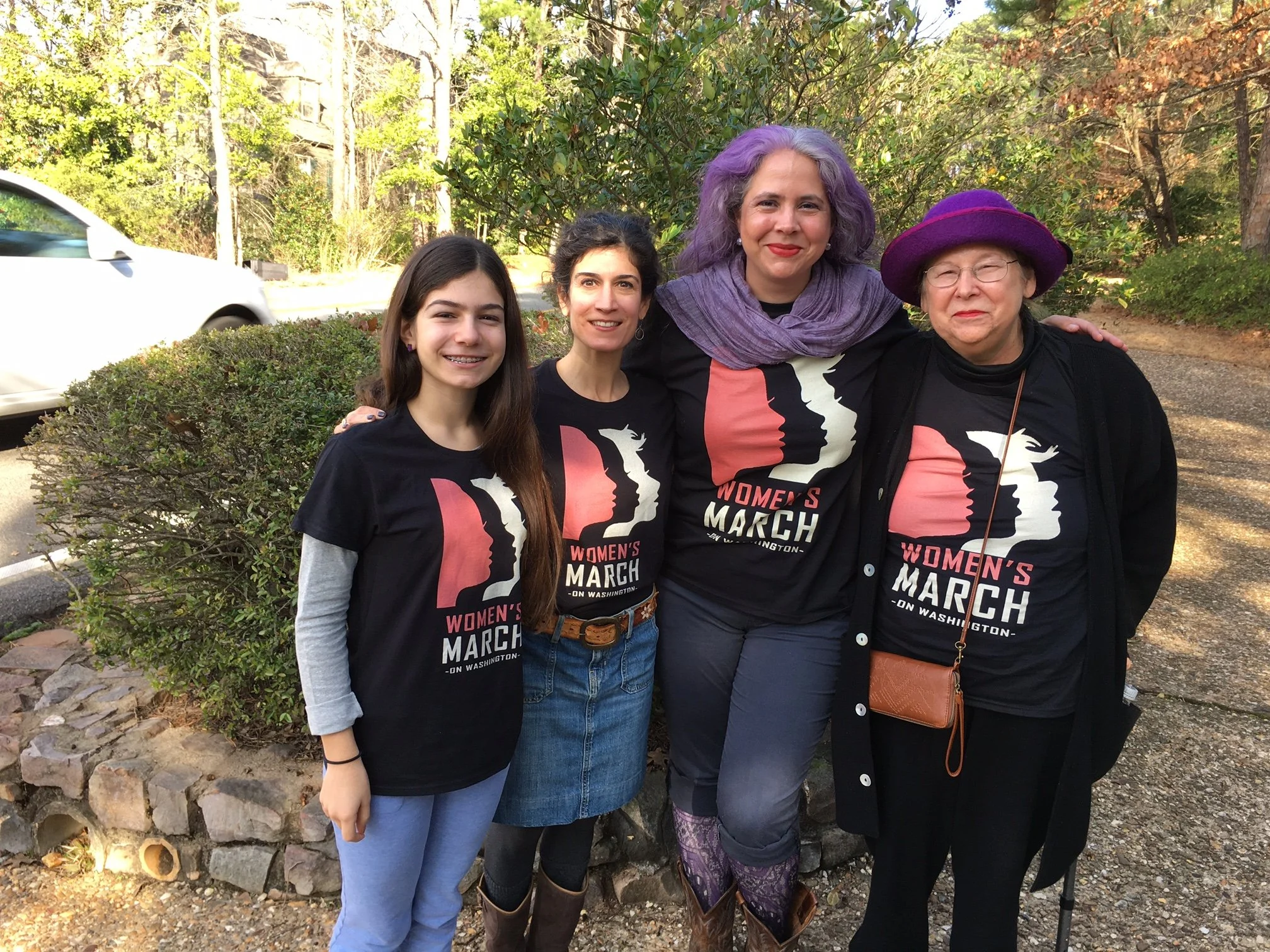
The women in my family marched in the women’s march the day after a previous presidential inauguration, concerned about the human rights of others. We were talking with our feet. The crowds and speakers at this protest inspired us to do more.

That day has become like an icon for me, as I reach out from the words of my comfortable t-shirt to become more active, visit, make calls, and protect those in need. I know in my heart that this is the way the Spirit works. We are called to study God and the Spirit, but we are also compelled to find the God within ourselves, which leads us to discover and connect with the God in others.

I share with spiritual friends that when I attempt to find God in others, God is most apparent in those in need. God most readily shines in those who are sick, dying, or seeking recovery, or at our food pantry, or our dinners for homeless veterans, or those today peacefully protesting for racial and social injustice, or assisting those in our country who have fled oppressed countries like Afghanistan. Practicing the ministry of orthopraxy teaches us the most about orthodoxy and God.

Joanna. https://www.joannaseibert.com/