Charleston: Gladness, Gratefulness, Acceptance, Peace
Charleston: Gladness, Gratefulness, Acceptance, Peace

rise and shine. joanna campbell

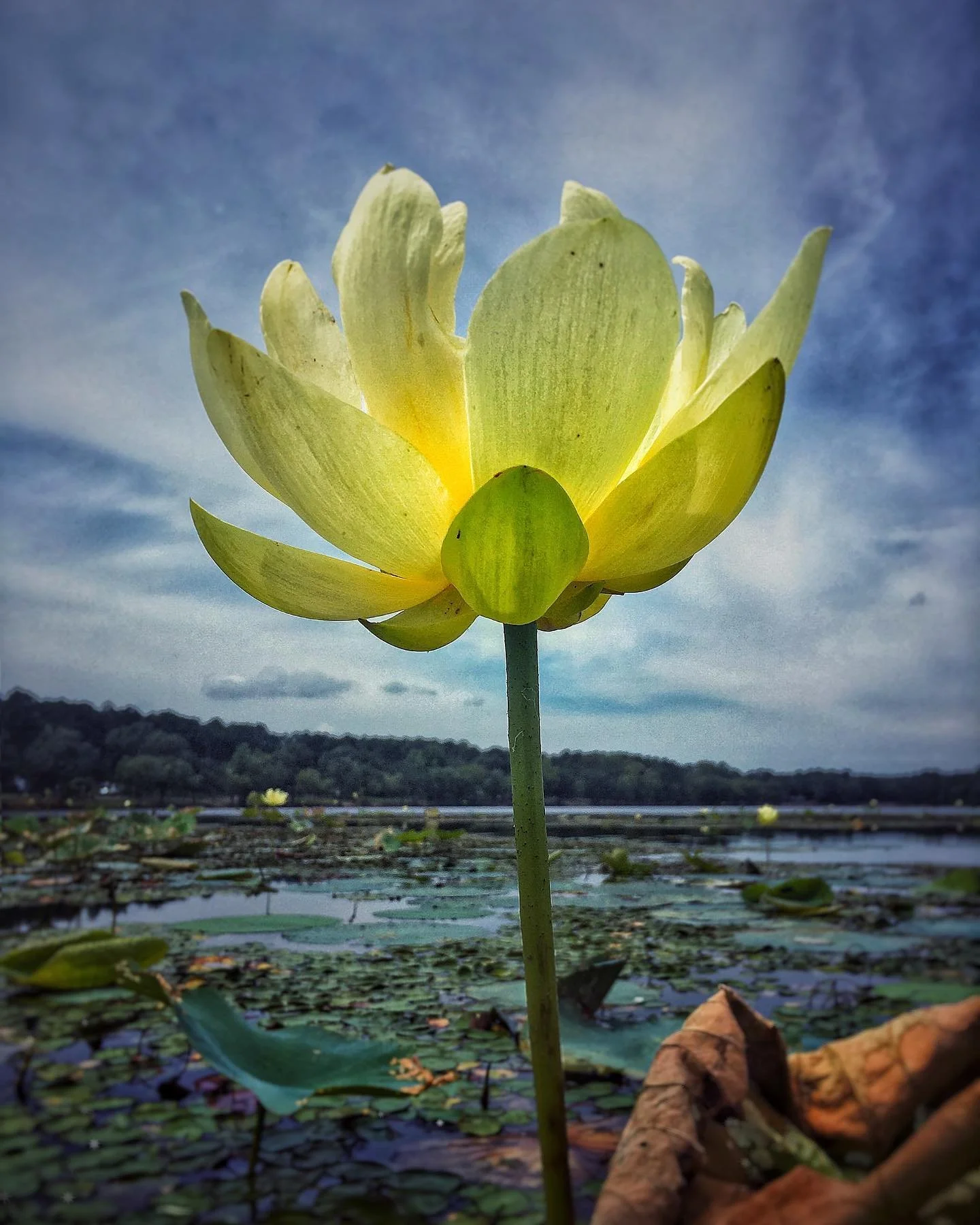
“Be glad today for the many small graces that line the path of our lives like flowers. Be open to the surprises that may come, and alert to the quiet messages whispered on the wind. Be creative in shaping your life in these few hours, for every day is a blank canvas. Be a blessing to others as the night draws near, and let your evening prayers keep them safe until you awake again.”—Steven Charleston, Facebook Page.

joanna campbell

Every day, we have choices. First, we can obsess over the past, what we have lost, and the mistakes we have made. Second, we can obsess over the future and what we will lose, especially as we age or fall into new mistakes. The past and potential future become our “gods, taking up rent in our heads”—consuming all our time and energy. Our minds keep racing to plan and solve.

Our third choice is to live consciously, moment by moment, in the now. We can enjoy, treasure, and give thanks for each day’s gifts, which come to us in each present moment. This involves an impressive awareness of our surroundings and relationships, an enlargement of our worldview, and getting “out of ourselves.” The challenge is not to forget our mistakes, but to learn from them and make them less often in the future.

Accepting ourselves as works in progress, not as works seeking perfection, is enormous. Acceptance that there is a power greater than ourselves caring for us is paramount. I talk daily with people upset about plans that weren’t going their way, only to become later thankful because “their plan” would have been destructive.

I think of old boyfriends I obsessed over who ignored me as a teenager. I realize today that my life would have been a disaster with any of them. I think of people who came and continue to come into my life to change my direction when I go down the wrong path. I think of people who cared for our children when we couldn’t, or weren’t the ones they needed at the time.
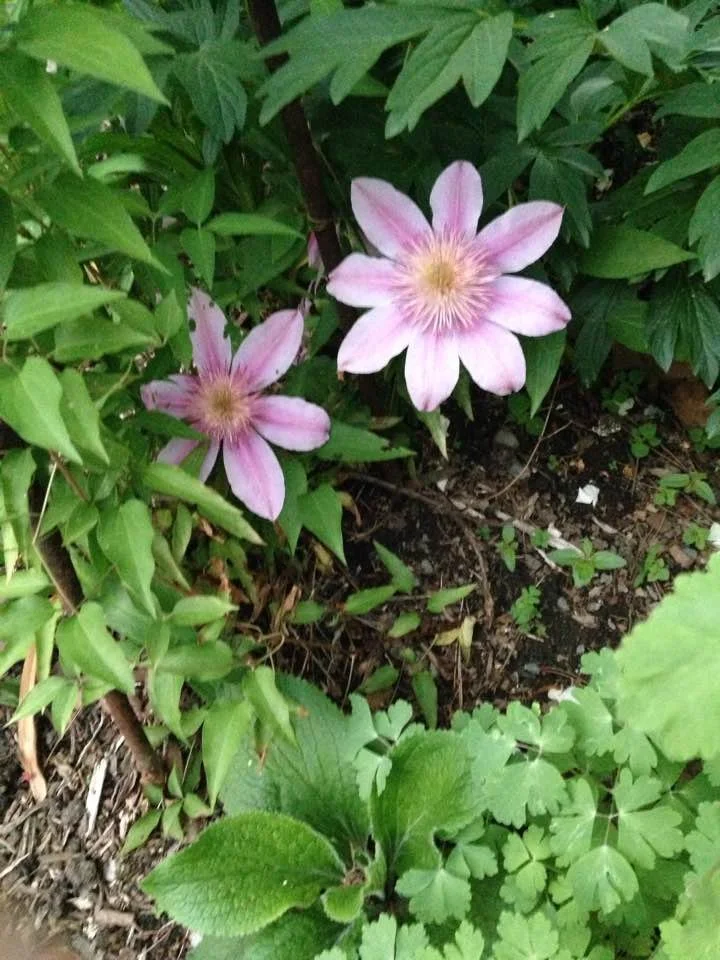
ann gornatti garden

As we age, we may find ourselves filled with anxiety from contemplating the deterioration of health, the death of a spouse, or living on a fixed income, and now living in a time of destructive weather due to climate change. There are so many uncertainties.

We have a part to play in overcoming this. First, we must do our best to keep ourselves healthy through diet, exercise, and proper medical care. But then, our best response should be to wake up each morning with gratitude for the gifts of another day together.  

Acceptance and gratitude are our cornerstones, the primary building blocks to peace and serenity.

 I am writing this so I will continue to remember it.

Joanna. https://www.joannaseibert.com/


Thanksgiving: A Day to Listen

Thanksgiving: a Day to Listen

“To listen is very hard because it asks of us so much interior stability that we no longer need to prove ourselves by speeches, arguments, statements, or declarations. True listeners no longer have an inner need to make their presence known. They are free to receive, to welcome, to accept. Listening is a form of spiritual hospitality by which you invite strangers to become friends, to get to know their inner selves more fully, and even to dare to be silent with you.”—Henri Nouwen in Bread for the Journey (HarperSanFrancisco, 1997).

As we gather today, sometimes with fewer family members than usual, this is the perfect time to sit back and listen. Having smaller groups to listen to will make this easier. Listening is at the heart of being a spiritual friend. Thanksgiving is a day to pay closer attention to the person or persons with whom we have the privilege to celebrate the day. Even if we are alone, we can call someone and listen.

Nouwen reminds us that listening does not mean waiting for our turn to talk. Instead, it is letting someone else know you are offering the gift of your energy and time to be present and attentive.

Some think it may be easier for introverts, but in reality, introverts may still be processing what they want to say while others are talking, and therefore, they are only pseudo-listening. On the other hand, extroverts may have difficulty responding directly to what they hear, as they process it more on the outside.  

The answer is simply to practice listening, even for a few hours daily. It is an art form that must be repeated consciously every day until it becomes as unconscious as brushing our teeth. Thanksgiving is a good day to start.

We have grown up in a multitasking world where we learn to do many things simultaneously: eating while we work or watching television, working on several projects, attempting to solve multiple problems simultaneously, glancing at emails, texting, or searching on our phones while we are sitting down to meet with others. While someone is talking to us, we may think about how we will solve another problem as soon as we move on to the next person or meeting.

Living in the present and active listening are becoming lost arts. We must practice them intentionally. My experience is that making eye contact helps keep us focused on the person or people we listen to. We are actively “seeking” Christ, both visibly and invisibly, within others, who can be revealed only as we begin to realize Christ within ourselves.

The art of listening is a gift to ourselves and all we know and meet. Margaret Guenther calls it Holy Listening. St. Benedict calls it “listening with the ear of our heart.”

This is my Thanksgiving Prayer: that each of us can begin “holy listening with each other with the ear of our heart.”

Anne Frank: The Remedy

Anne Frank: The Remedy

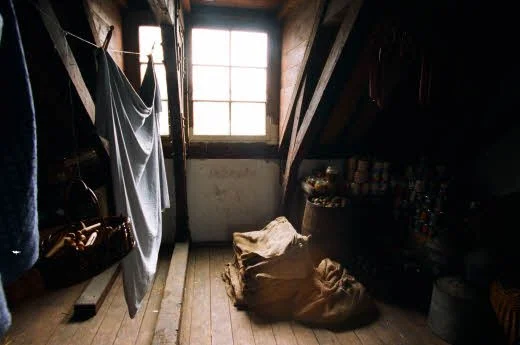
Attic Anne Frank House

“The best remedy for those who are afraid, lonely or unhappy, is to go outside, somewhere where they can be quite alone with the heavens, nature, and God.”—From Anne Frank: The Diary of a Young Girl (1947).

Anne Frank House Annex

Anne Frank hid in a cramped, secret upstairs annex of an office building for over two years with her parents, sister, and four other Jewish people: Hermann and Auguste van Pels, their son Peter, and Fritz Pfeffer. Otto Frank’s company owned the building; a bookcase concealed the entrance. Anne and the seven other people could never venture outside. A small window in the attic through which she could see a chestnut tree was her only chance of getting fresh air. In a powerful reflection in her diary, she calls it “the remedy.”

Anne was fifteen when her family was discovered and sent to Auschwitz’s death camp. Later, she was sent to Bergen-Belsen concentration camp, where she died weeks before British soldiers liberated the camp.

Today, we thank Miep Gies, one of Mr. Frank’s employees, who helped the Frank family hide and later retrieved Anne’s diary. Otto was the only member to survive. He received the diary from Gies on returning to Amsterdam after the liberation.

Every day, I know that I take Anne’s “remedy,” the world outside my window, for granted. So, I am putting Anne’s picture on my desk, hoping to honor her brief life and its truth. I also hope I can always hear Miep’s call to reach out to those who desperately need our help.

Anne’s remedy was the remedy for so many during this pandemic who felt like the Franks, trapped in a smaller world. People were walking, sitting, biking, and running outside. Like Miep, we were also given a chance to care for others in some small way by staying socially distant and wearing our masks. We did this to care for ourselves and showed that we cared for others, one person at a time. What amazing remedies are we charged to continue! Enjoying and caring for nature and ourselves is also a way to care for our neighbors in the present and for our neighbors who will come after us.