Brueggemann: Gift of the Christmas Season, Tenth Day of Christmas
Brueggemann: Gift of the Christmas Season, Tenth Day of Christmas

“Christmas is especially for those of us whose lives are scarred and hurt in debilitating ways. Of course, that means all of us. Christmas is about a word from God addressed to the world in its exhaustion. ..Behold, I am doing a new thing. Christmas is a day to stop and notice the newness God is giving that lets our life start over in a fresh place.”—Walter Brueggemann, Devotion for Advent, Celebrating Abundance. pp. 68-69.

We have connected much of our lives to schools and colleges. The twelve days of the church’s Christmas season, especially between Christmas Day and New Year’s Day, are traditionally a slow-down time for higher education when people are on vacation or less busy. It is incredible how my body and mind have been conditioned over the years to live at a different pace during this Christmas Season.

It is a Christmas gift.

The days are shorter. I can sleep until seven am, go to my window, and still watch the world yawn and wake up around me. This morning is rainy and wet with dense fog. There are fewer leaves. Even with the thick mist, I can see farther and gain a broader perspective. I watch the deer gallop away together by my window, back to the woods, as they hear the sound of cars. The busy territorial squirrels chase each other up and down trees. The cardinals and bluejays come to the feeder by my window and share space with smaller birds whose markings I cannot read. I have time to listen to the rhythm of the rain. It is as hypnotic as ocean waves, but the ocean is like a Sousa march, keeping perfect time while the rain changes, and is slower, faster, softer, and then louder like jazz improvisation.
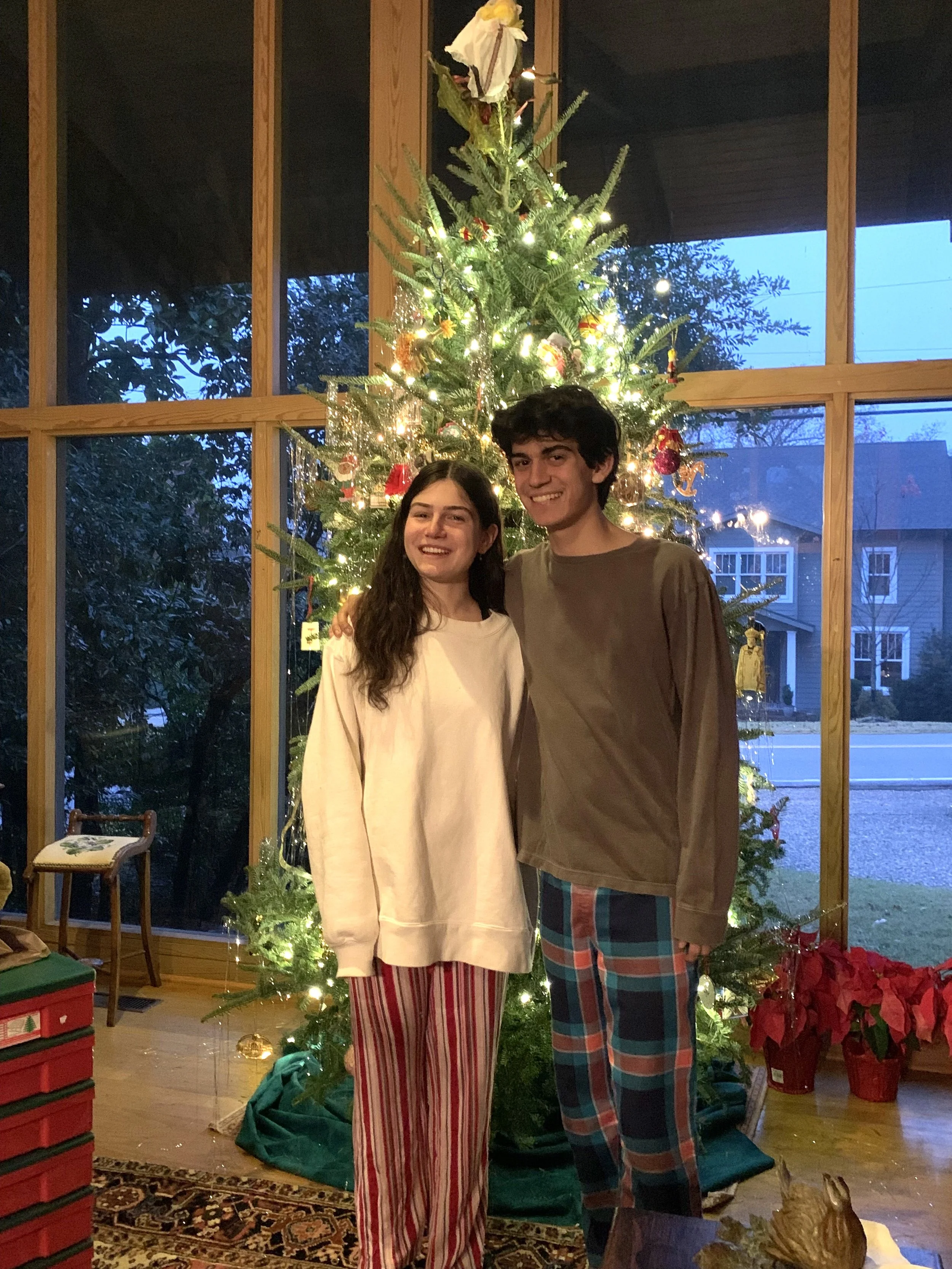
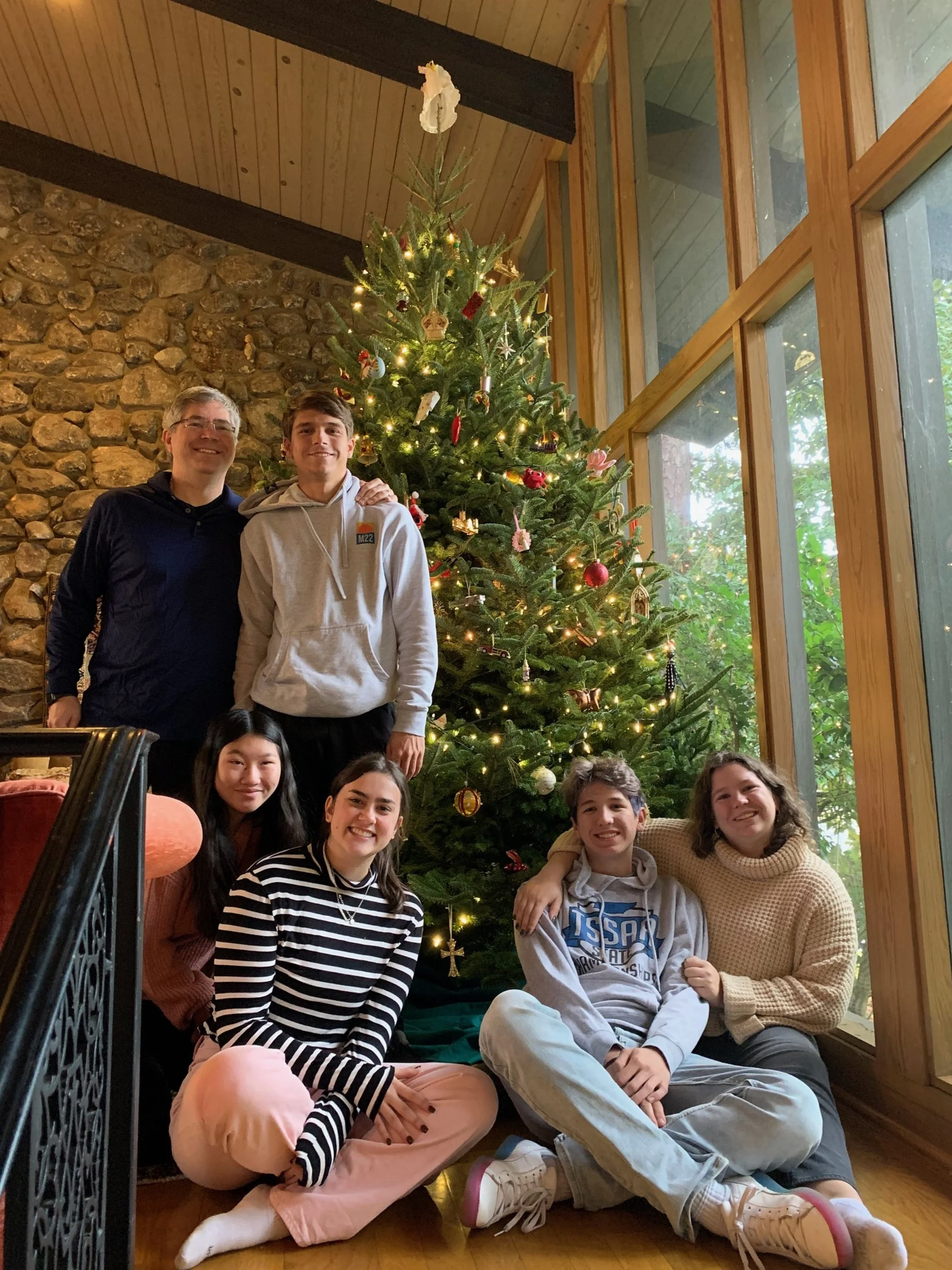
I switch gears and turn inside. I open my memory book to recent and past Christmases, re-enter those scenes, and bring them to life. Remembering. Decorating the tree with grandchildren. Traveling to the beach. Shopping with children and grandchildren. Going to the movies. Ice skating. Family dinners. Watching slides. Leftovers.
I read new or old books in a “to read” stack by my desk. Writing. We visit family we missed seeing during the year. Spending time with old and new friends, I have neglected because of my busyness. Resting.

The church year gives us a few more days for this short Christmas season, extending it to Epiphany, the celebration of the Wise Men's arrival on January 6.
I pray today that I will open this gift and treasure this Christmas season’s precious present.

Joanna https://www.joannaseibert.com/

Rohr: Life's Dance of Contemplation and Action

Rohr: Life’s Dance of Contemplation and Action

“The dance of action and contemplation is an art form that will take your entire life to master. Like Moses at the burning bush, many of us begin with a mystical moment and end with social action or what looks like politics.”—Richard Rohr, Daily Meditations, July 5, 2017. Adapted from Richard Rohr, Dancing Standing Still: Healing the World from a Place of Prayer (Paulist Press: 2014), 6, 11.

Life indeed is a dance, where we first sit it out as we contemplate the love of God as a mystic. Later, we bravely go on the dance floor as activists for those harmed by fear. An ideal is to do both, but balance often is never our strong suit.

When I returned to the life of a “religious” after a five-year interlude from God, I had an insatiable hunger to read and study about God. I think this came from my medical training. If we want to know about a subject, we research and study in-depth what has already been written about it. Then, I wrote about what I was experiencing for some unknown reason. This may have come from my immersion in academic medicine, which spilled into my spiritual life with the call to “publish or perish.”

 One December night, I remember reading an Advent piece at an early Christmas gathering of the women of St. Mark’s. Mrs. Metcalf, a renowned speech teacher who also sat on our pew at the church, said to me in passing as we picked up our plates for dinner, “It is good to see another mystic.”

Mystic, I never considered myself a mystic, but suddenly, I knew a master had just anointed me. Again, I believe seeing God’s presence at work in the world came from my medical specialty. My job as a radiologist was to look for the unknown in the shadows, often in the dark, using imaging techniques such as X-rays, CT, MRI, or ultrasound, examining a hidden world inside.

 God uses every part of our experience. No past experience is wasted. Eventually, over many, many years of just writing about this experience, now as a deacon in the Episcopal Church, I have been moved to action, making phone calls, writing letters, marching, visiting the sick and dying, working with those who have difficulty getting groceries, advocating for prisoners and immigrants, supporting homeless veterans, and working with people in recovery.

As long as we can see the love of God in our contemplation and in our actions, my experience is that we will know peace, one of the fruit of the Spirit. I know I am off track when that peace or “piece” is missing.

I share this dance on the ninth day of the Christmas season, and look forward to learning from other “mystics” who also seek to know more about what will be next on our dance cards.

Joanna   https://www.joannaseibert.com/


What's In a Name?

WHAT’S IN A NAME?

Guest Author: Gary Kimmel

“But if you call me Anne, please call me Anne spelled with an E.” (Anne Shirley to Marilla Cuthbert shortly after their first meeting.)— L. M. Montgomery in Anne of Green Gables.

I recently listened to a homily, in part based on Luke 16:19-31, in which Jesus tells the story of a rich man and a poor beggar named Lazarus. Lazarus is at the rich man’s gate, but the rich man has no interaction with him. This passage may be filled with homily topics, but what struck me most was when the homilist said, “And here’s the twist: in the story Jesus tells, only the poor man has a name. Lazarus. The rich man goes unnamed.” That gave me pause. 

Why do we give so much importance to names? A rose by any other name may smell just as sweet, but when it comes to our name, it means so much more. It is our identity. Even when it is shortened to a nickname or initials, we do not lose our ownership of it. So, when someone calls me George or Greg, it is not me. So much for the rose, Shakespeare.

One thing we can take from this and the homily on the passage in Luke is how important it can be to recognize another by their name. It is wonderful to smile at someone we pass on the street, but if that smile includes “Hello, Sarah,” it brings us closer to Sarah. 

I was asked recently by someone how to become more involved with marginalized communities. My advice was to find a way to enter one of those communities through the outreach activities of a church, non-profit, or service organization and to get to know the people personally. I should have added, learn their name, and let them learn yours.

The rich man had so much, but he failed to grasp the importance of getting closer to the world around him by recognizing Lazarus, asking his name, and then responding with his own. Too often, we become so focused on our own lives that we forget the uniqueness of every individual we encounter. A uniqueness that is personalized by a name.

Are you brave enough to smile at someone you don’t know and say, “My name is …., what’s yours?”

Gary Kimmel

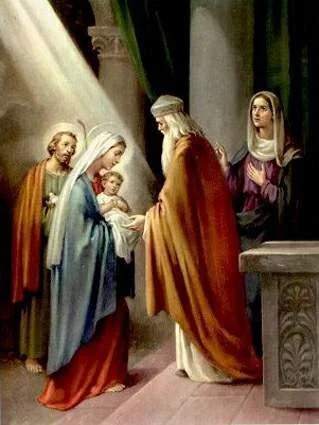
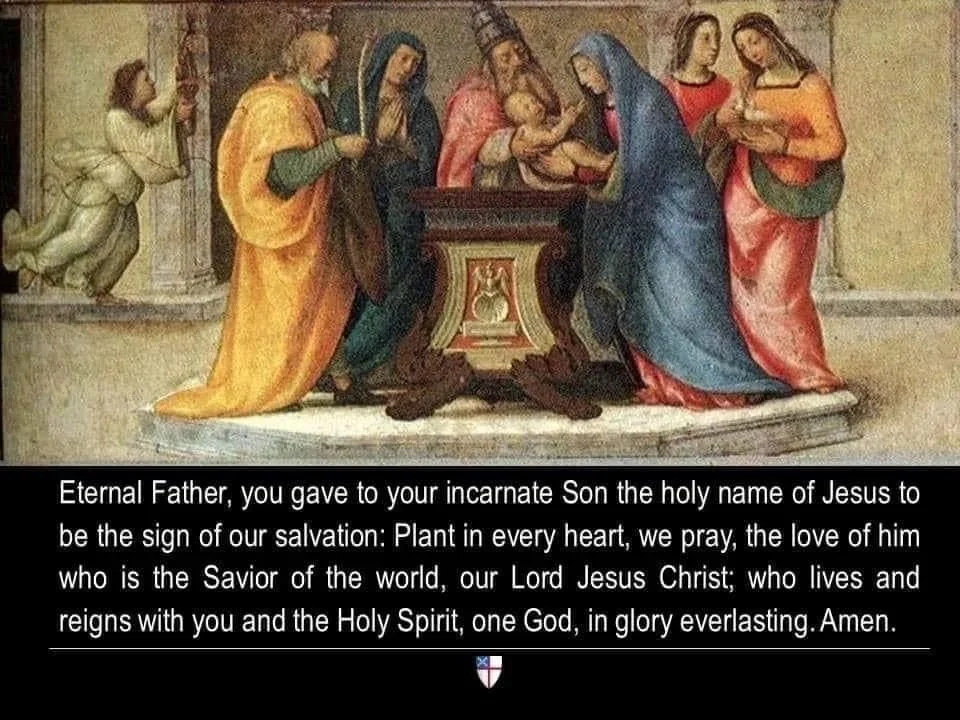
January 1 is the Feast of the Holy Name of Jesus, eight days after Christmas, the celebration of Jesus’ birth. This would be the day Jesus went to the Temple to be named.

In this New Year, practice saying and repeating people’s names you meet in your ministry.

Joanna joannaseibert.com