Dreams

Dreams

“The Dream will never tell you something you already know.”—Robert Johnson

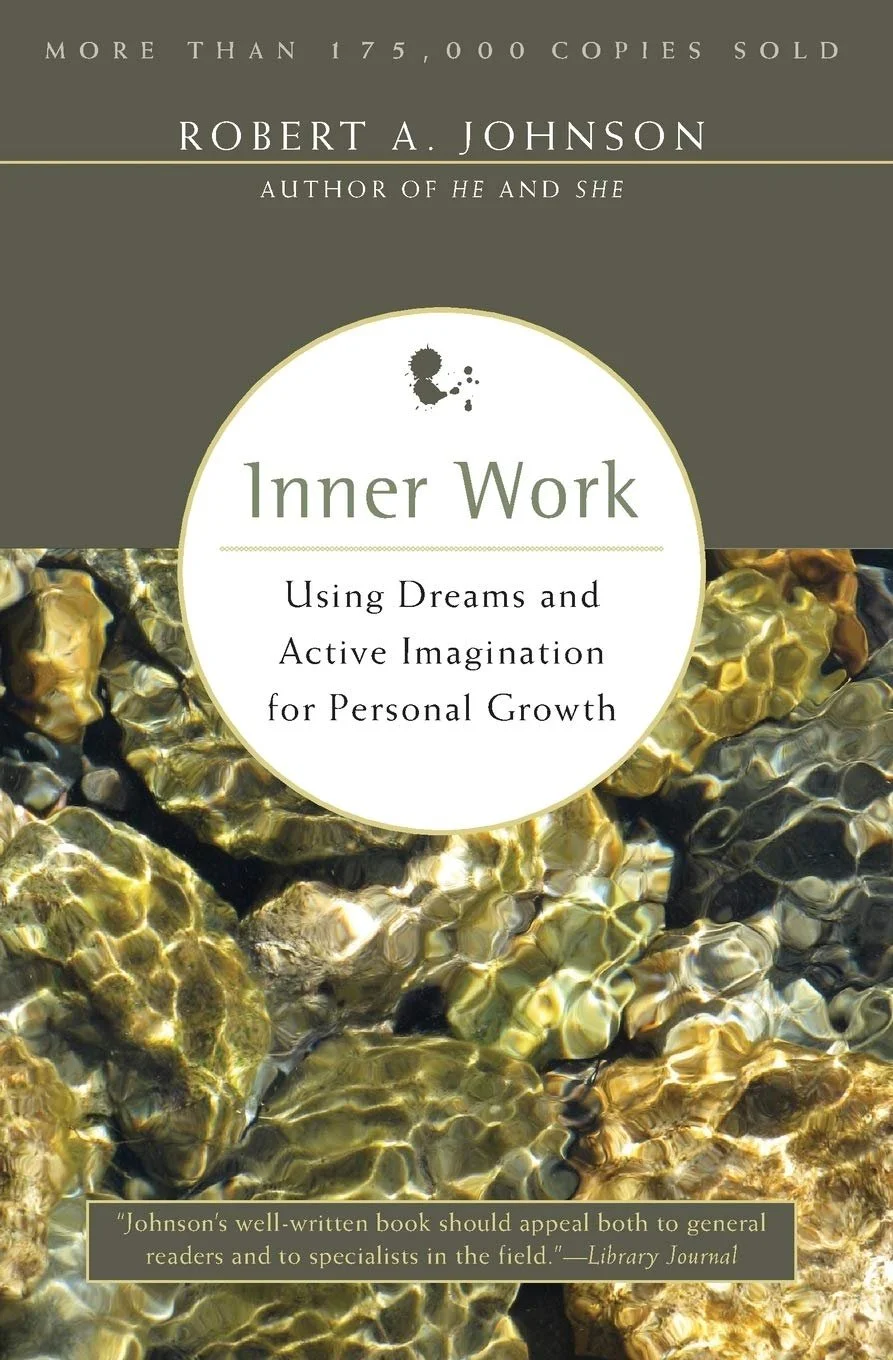
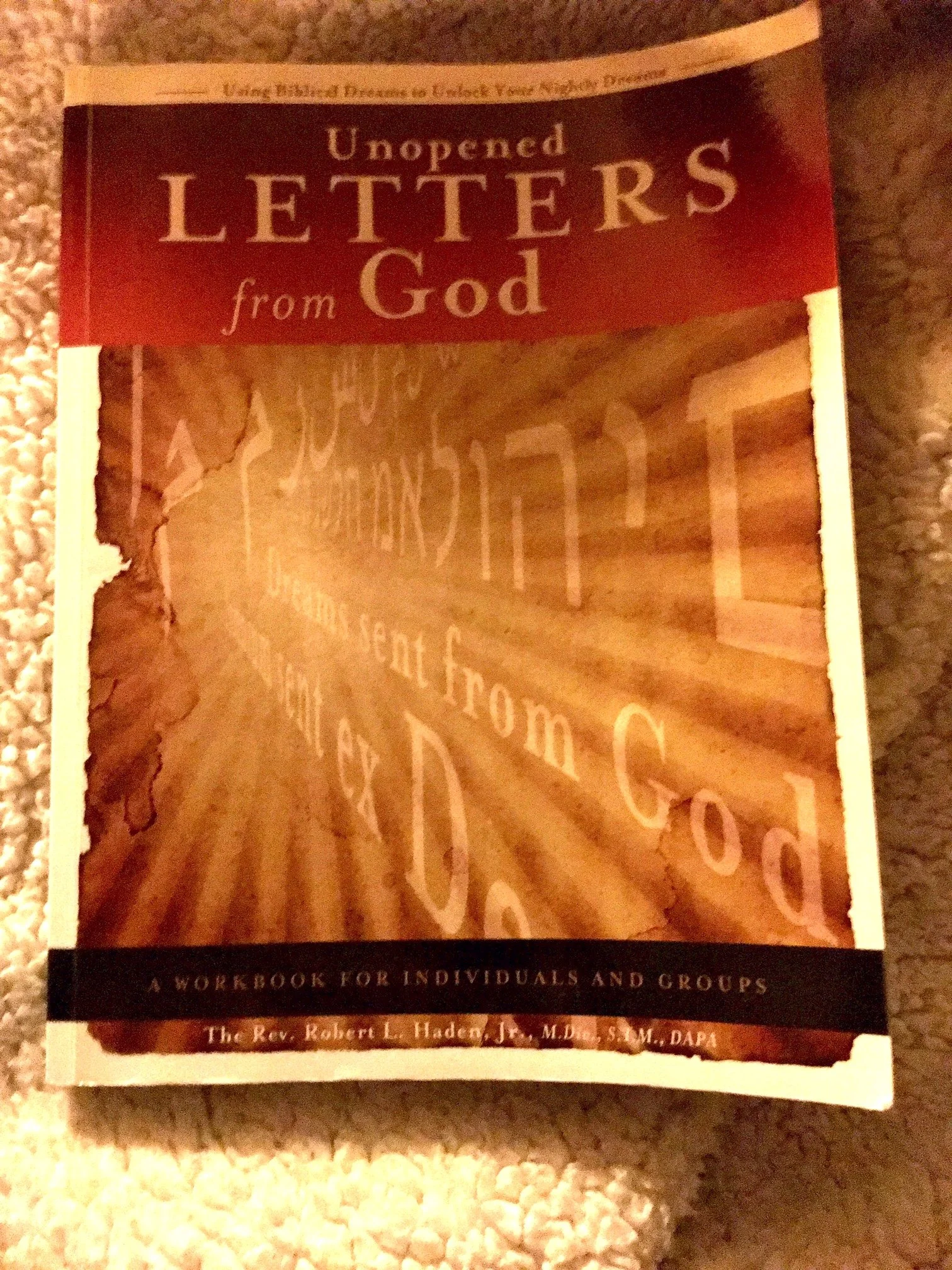
I have been in a dream group on and off for many years. Much of the time in spiritual direction training at the Haden Institute at Kanuga was devoted to dreamwork. (Unopened Letters from God: Using Biblical Dreams to Unlock Your Nightly Dreams, Bob Haden). Many still see the classic work on dreamwork, Robert Johnson’s Inner Work, as one of the best ways to learn about dreams. My present spiritual director always asks me as soon as we meet, “Do you have a dream?”
There are some basic principles in dreams, such as a house representing you and every room an aspect of you. A car represents your personal energy. Every person in the dream represents parts of the dreamer. However, so much of the symbolism may be unique to that person.

Three other friends, some time ago, took a dream group for several years to a women’s recovery center, where most women had a choice of going there or to prison because of alcohol and drug-related abuses. They had had a tough and grief-stricken life. There were women just like us, but they did not have the opportunities we had. They were hardened and prematurely aging, but still had a heart of gold.

Almost all their dreams had the same pattern: nightmares, being chased by some awful, violent creatures. Our hearts embraced them. Since we only saw them briefly, sometimes the best we could say was that the dream was letting them know the “dream maker,” whom we called God, knew about their very difficult situation. The God of their understanding cared enough to let them know that he knew about their great pain and how badly they had been treated.
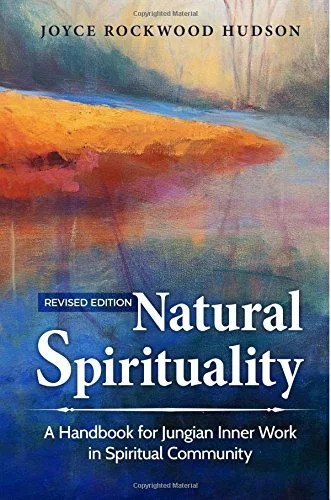
 In her book Natural Spirituality (p. 105), Joyce Rockwood Hudson believes dreams are the fullest expression of the unconscious. My experience is that dreams are certainly one of many ways God speaks to us, and can be a powerful tool in spiritual direction.

 Still, as always, dreams must be treated like the soul, held gently, honored as hearing a sacred message from one lover to another.

Joanna   https://www.joannaseibert.com/
 

A Poem For the New Year

A Poem for the New Year

Guest Writer: Karen DuBert

Rocks, Stones, and Pebbles

Is it rocks in your pockets, a stone in your shoe, 

A cloud that envelops whatever you do?

It’s been a rough year for this tilted old world 

Witnessing horrors freshly unfurled.

Each of the pebbles we carried this year 

Is a slanted perspective from things that we hear

From sinister algorithms designed to cause dread; 

Like small, helpless creatures, we’re caught in the Web.

Children are starving and people are maimed 

By missiles and drones and long distance planes,

The heartache is more than our souls can fathom;

We feel so helpless with justice abandoned.

As we search for the Truth, let’s not click on the bait 

Created to make us blind creatures of hate.

Let’s stop for a second, shake the stone from our shoe

Toss the rocks from our pockets–-start this fresh year anew.

Karen DuBert

Joanna Seibert joannaseibert.com


Feet No Longer Wearing Bass Weejuns

Feet Without Bass Weejuns

“ but those who wait for the Lord shall renew their strength,
    they shall mount up with wings like eagles,
they shall run and not be weary,
    they shall walk and not faint.”—Isaiah 40:31.

A rainy Friday night on January 13, 1967. I am a junior in medical school in Memphis, on my way home in my Volkswagen Bug after my weekly indulgence of a hair appointment. It was an eventful day early on in my obstetrical rotation. I deliver stillborn twins. I do not remember showing any pastoral care to that mother. I am just here to learn how to deliver babies. My long-term goal is to be a pediatrician and care for babies, especially newborns.   

Suddenly, there is a loud noise, and my little red car abruptly stops. For a few seconds, it is darker than usual. I cannot find my brown Bass Weejun loafers. One knee is dislocated. My chin is bleeding. My ankles and feet hurt. I know I cannot walk. Later, I am told I was hit head-on by a drunk driver in a black Cadillac, making a left turn into a bar. My parents come to care for me. They are told I might not walk again. If I walk, I learn, I will never have Weejuns on my feet again, always special, supportive shoes!

I must leave medical school and join a lower class six months later. Over time, I begin an incredible lifelong career as a pediatric radiologist, deciding this specialty might be easier on my feet. Today, I still suffer from the injuries I endured in that crash more than fifty years later. Each step can sometimes be excruciating on my feet and ankles, even after multiple surgeries. I now walk with a quad cane and, more often, a walker.  

Twenty-four years ago, I became involved in a new ministry and am now an ordained deacon in the Episcopal Church. Today, I work with people in various types of recovery. I am also trained as a spiritual director, since this can be a “sitting down and listening ministry.”

Although I have retired from my medical practice, working in hospitals has taught me to be comfortable around the sick. I have also been trained as a pastoral care chaplain in the Community of Hope, and I still visit or call those in the hospital and those who are homebound every week.

I give thanks for the privilege of this journey. This year, I will celebrate the 25th anniversary of my ordination to the diaconate.

When I experience pain in my feet, especially on these visits, I remind myself about a balm as I walk down long hospital corridors. The ministries I have loved, which have brought joy to my life: my career in pediatric radiology, working in recovery, becoming a spiritual director, and being a pastoral caregiver—all have opened up to me as a direct result of my broken feet.

All my ministries developed from a response to injuries inflicted on my body. That which caused harm has become a path to healing for myself and perhaps for others.

There is one more balm. When I returned to a different medical class, I met my husband, whom I had been married to for 57 years. He has been a companion par excellence, and I am awed to realize that we would never have known each other except for the accident that crushed my feet and ankles. There would not be three adult children, their spouses, and six grandchildren who remind us of God’s goodness every day, even in difficult times. 

Every day, my painful, battle-scarred feet remind me of Easter breaking out of Good Friday.

Joanna Seibert, Feet,” Christian Century, February 26, 2020.

Joanna  https://www.joannaseibert.com/
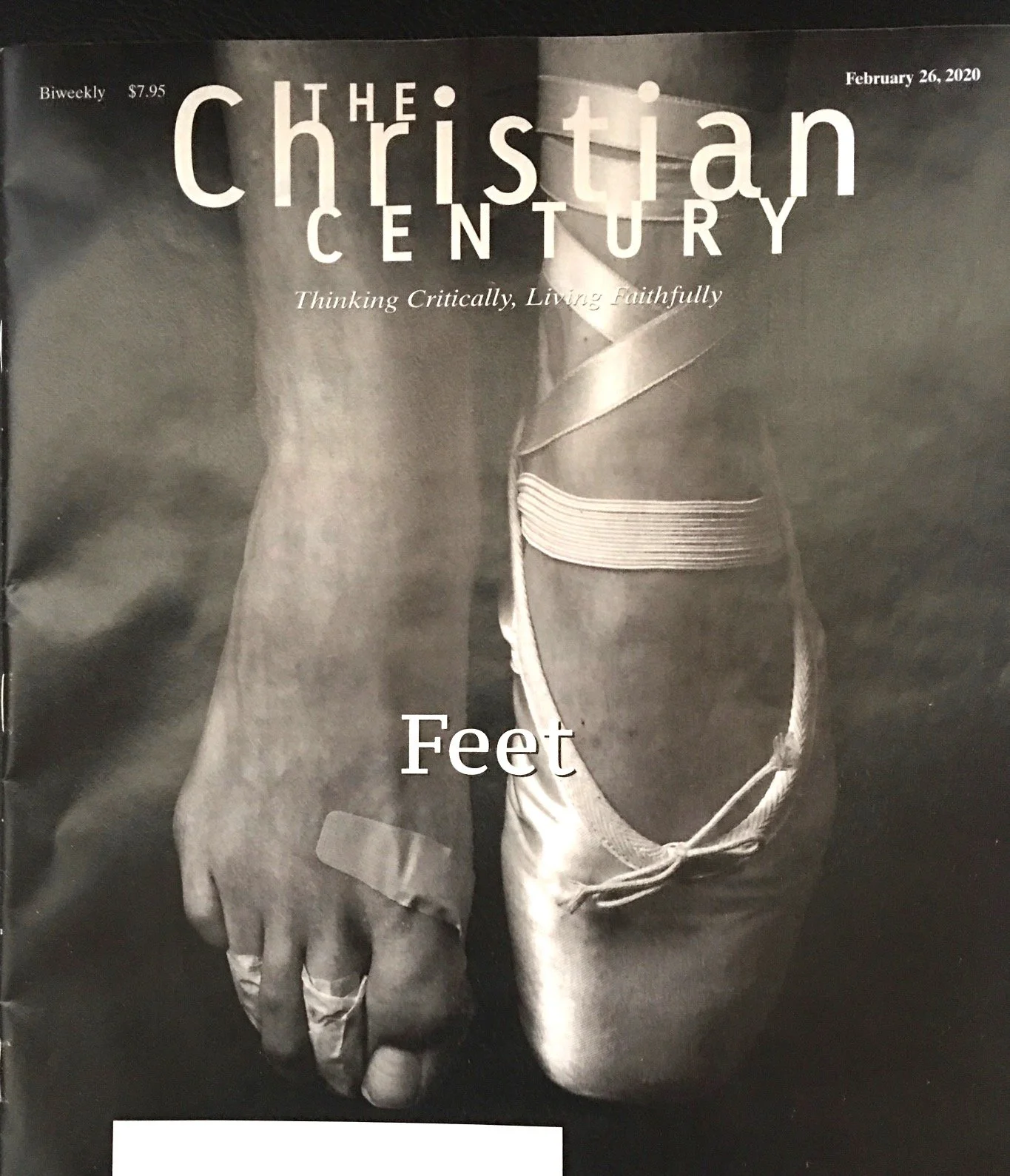
Life tragedies will happen to all of us. Today, near the 59th anniversary of this accident, my epiphany is that we are all called to help each other find the resurrection from each of our life’s tragedies, a promise that will always be there.