Charleston: Magdalene, The World Within
Charleston: Magdalene, The World Within

“How hard it is sometimes to live in two worlds, the one we inhabit with the people around us and the one we live in alone. None may know the pain we hide, the deep wells of worry into which look the memories that enfold our lives like a forest. But the Spirit knows, cares, understands, and is ever beside us to offer comfort and counsel.”—Bishop Steven Charleston, Daily Facebook Page.
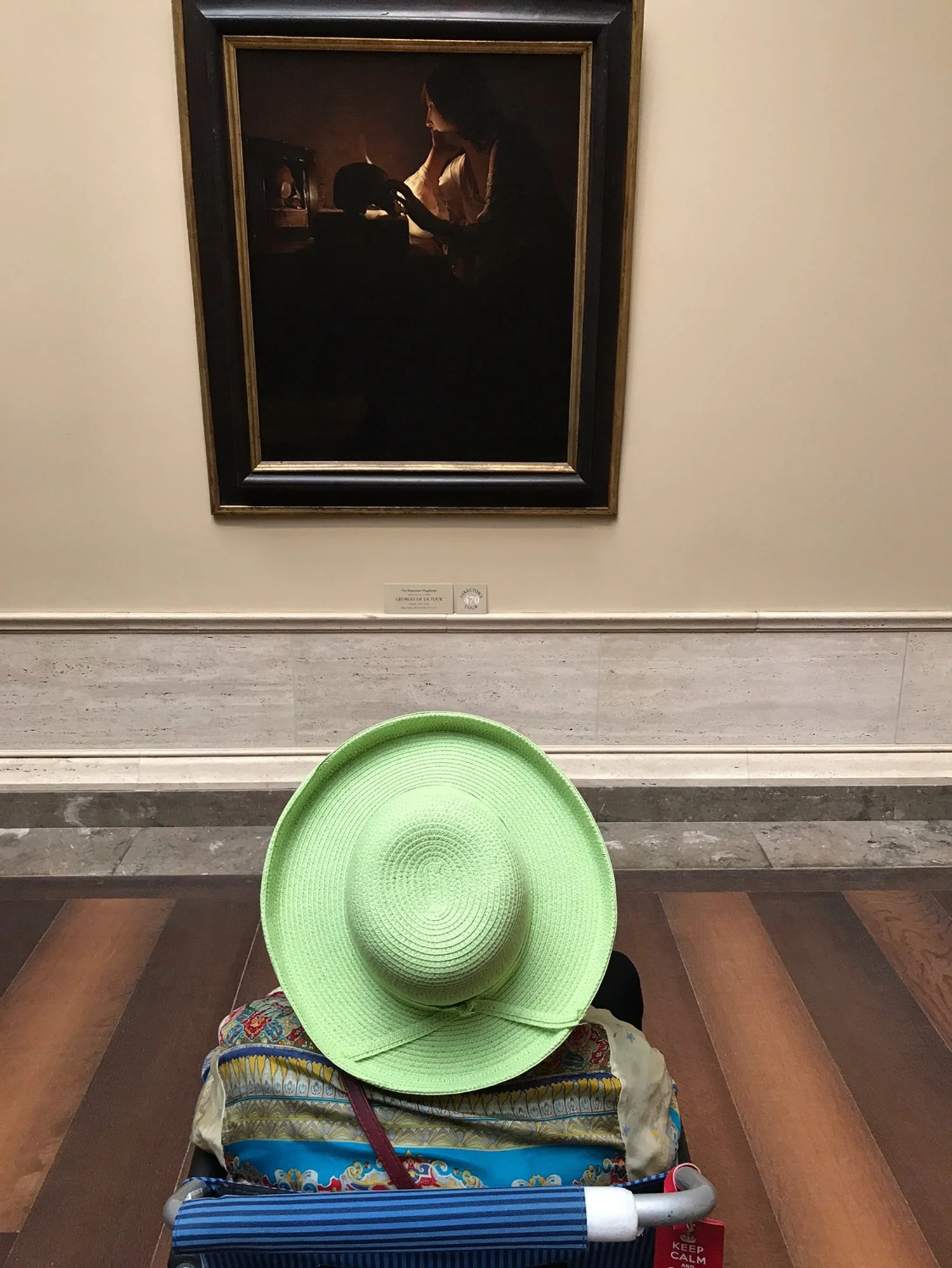
Repentant Magdalene George de La Tour

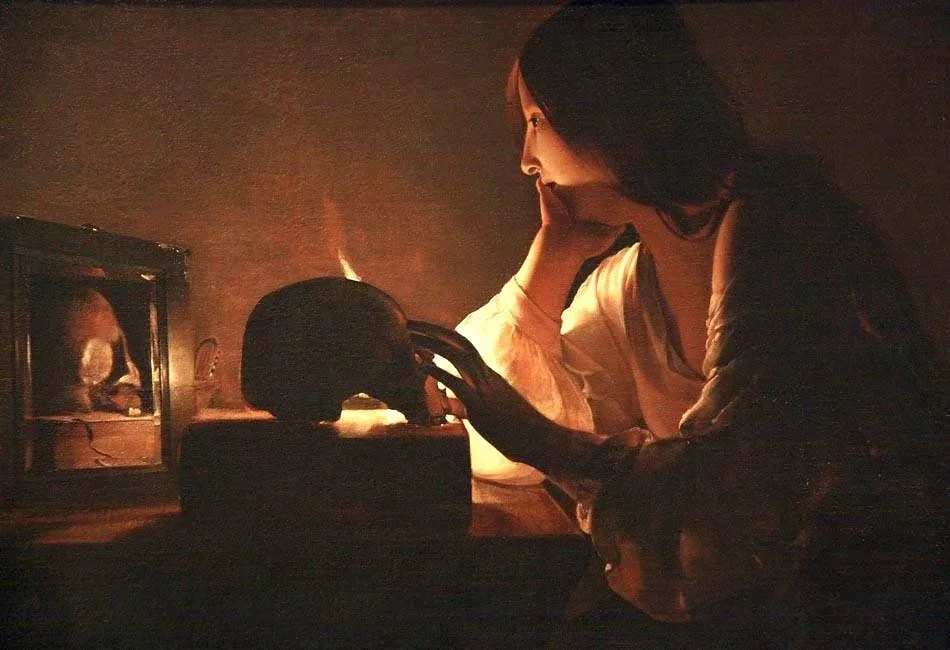
The Repentant Magdalene

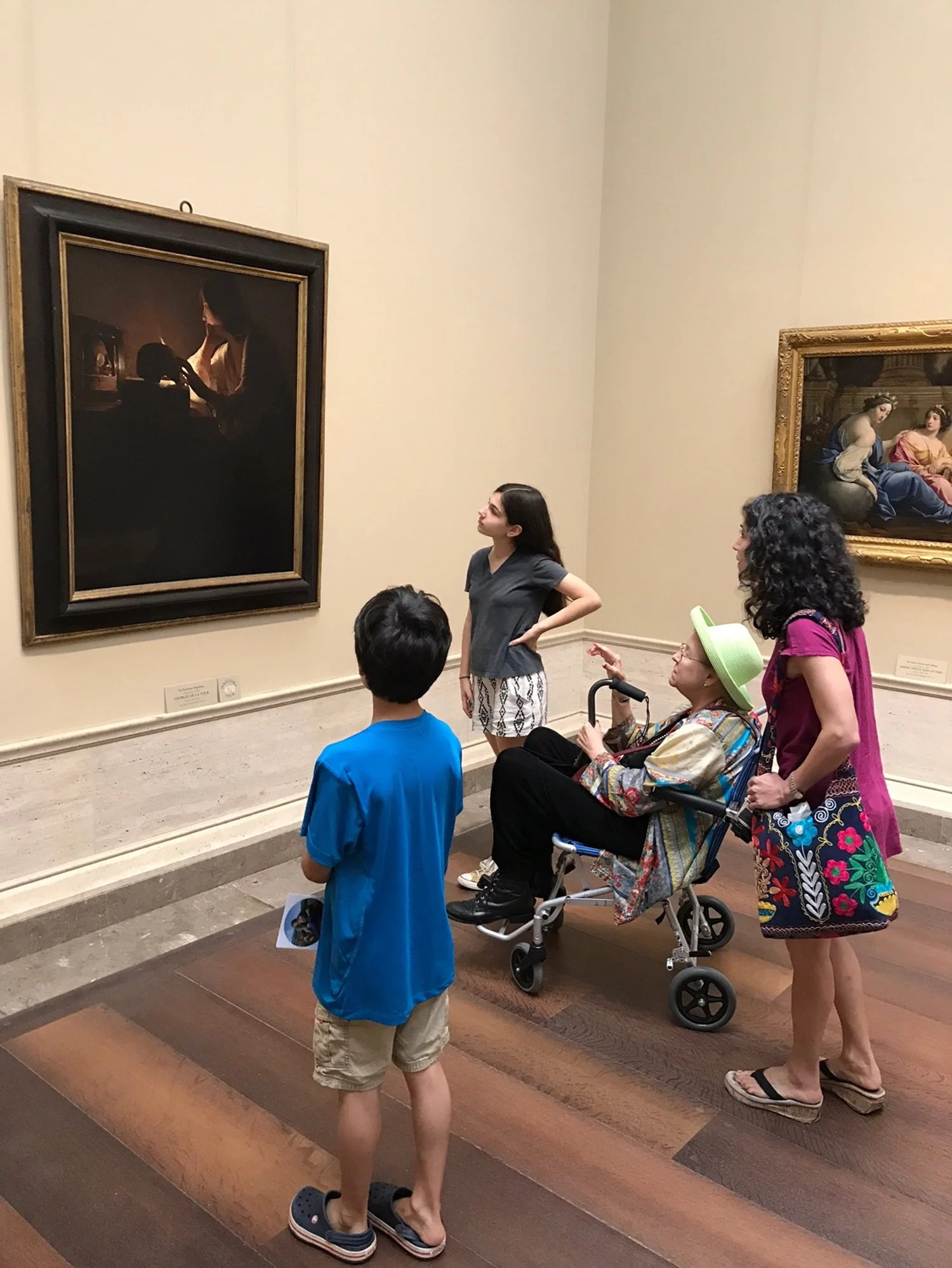
Several years ago, I spent time with a 394-year-old friend I have known for the last forty years. We first met when she was one of three Georges de La Tour’s Magdalene paintings at a rare National Gallery of Art exhibition. She was the only one in their permanent collection. Before an important meeting in Washington, I visited her that morning, and she quieted my soul.
I instantly fell in love with her. She spoke to me as no other painting has before or since. This Magdalene sits with her left hand on a skull. She does not look at the skull directly; she sees its image in a mirror in front of her. The chiaroscuro scene is dark, illuminated only by a partially hidden candle beside the skull. I talk to Magdalene and thank her for her insights.

 For me, the skull represents our insides, the inner life, what our skin covers up, the Christ within, and the negative parts of our unconscious. Over the years, this Magdalene has taught me that we most often see ourselves by looking into a mirror, a reflection. Seeing what we are beneath our surface is too painful and overwhelming. We cannot look there directly. It is like looking at the sun. The mirror represents the reflection we see of ourselves in others. We learn and understand the authentic parts of ourselves by seeing ourselves in our neighbors.

 God calls us to community to learn from others who we truly are. I best see my own soul, the Christ within me, as well as my many unconscious character defects, by first seeing them in others. We learn about our unconscious character defects by first becoming aware of them as we observe them in others, and seeing how unattractive they are. We see Christ’s love in others, realize that love is also in us, and want to become like that love outwardly and share it.

Caring for our souls is finding Christ within ourselves by first seeing what is holy in another. The Christ in our neighbor soon helps us realize the miracle of Christ’s presence within ourselves as well.

Next, we are called to share it with others.

If we do not pass it on, our image of God stays too small.
Working Through Loss

Working Through Loss

Guest Writer: Larry Burton

It is probably my age because I often find myself reminiscing about the past. Growing up in a preacher’s family meant moving every few years. At one level, I became quite good at it.

 All those losses were stuffed in a mental drawer, and we started over in a new city, house, school, and church. That drawer of memories was pretty full, and now it opens quite often, whether by intention or not. I feel pangs of empathy with those in Southern California suffering from the devastation of the fires, which have angrily burned homes and neighborhoods to the ground.

We have all suffered loss and will continue to until we die.

I recall a day years ago when my father and I drove to all the places where he had lived as a kid and as a young adult. We visited cemeteries—mostly forgotten and overgrown—schools now closed, a house or two still standing, and then to Knox County, where he met my mother. My grandfather had been the pastor of Asbury Chapel, and it is there that my mother and most of her relatives are buried. It is also where my parents met. 

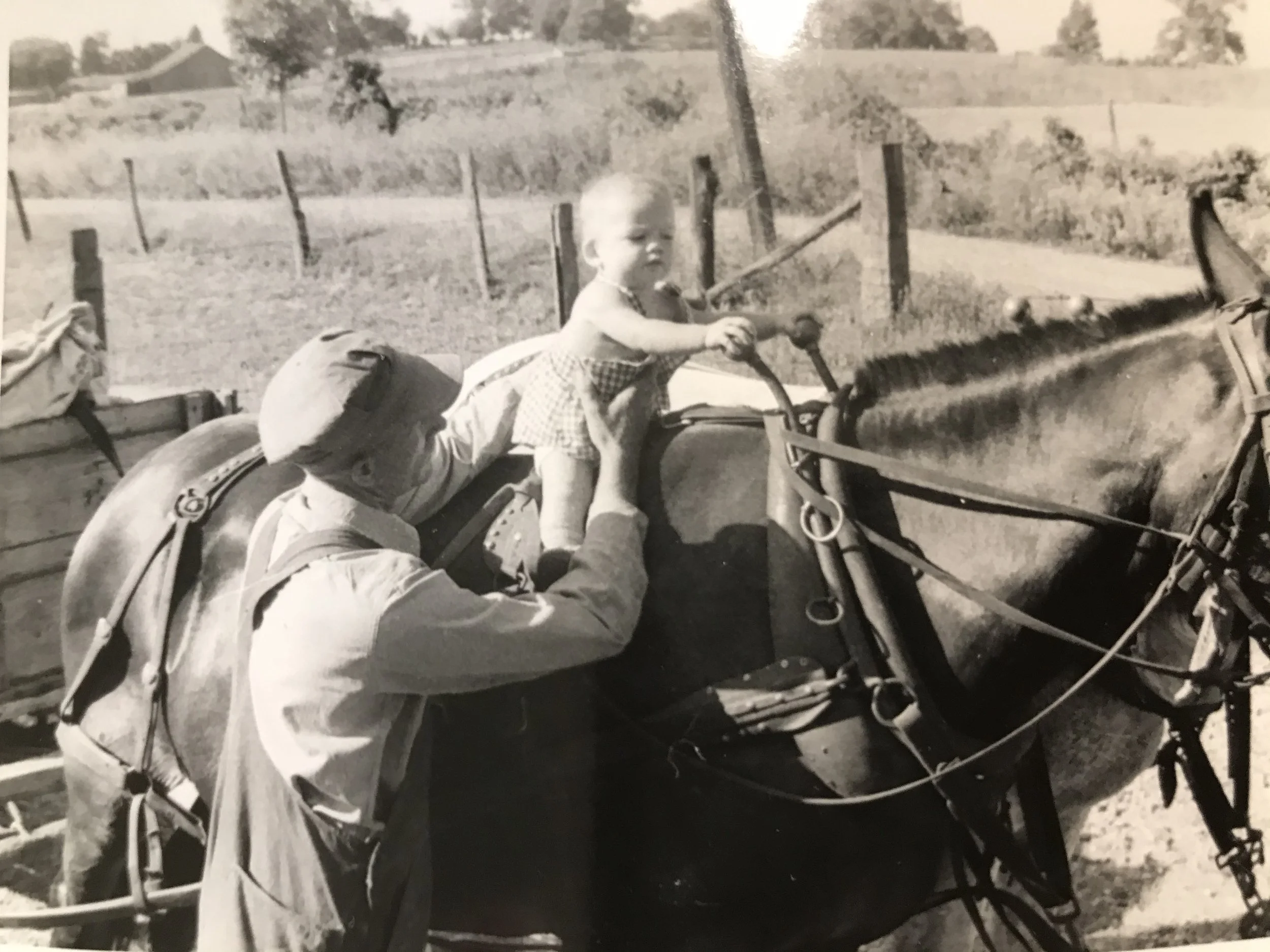
Growing up, my brother and I spent many summers on the family farm in Knox County. We helped with the chores. I learned how to milk a cow; my brother was driving a truck when he was 13. A white barn (cows and two horses) and a red barn (hay storage and tractor) were the favorite places. There was a smokehouse and a chicken yard, and standing grandly in front of it was a large house built in 1812. 

I loved that house. But when we pulled up in front that particular day, a link fence surrounded it, and the house had collapsed into the cellar. I burst into tears.

Those memories came back as I read about the California fires, and I felt my stomach begin to churn as I imagined all the things and places that had been familiar to those folks in LA but destroyed beyond recognition in just moments. The library, the school, the church. The place where someone had their first date, the field where they played, the movie theater, the drug store…all gone. Loss after loss after loss. 

When we go to sleep, we put another day to rest and expect to greet a new day in the morning. And that is what will happen…eventually. Humans cannot live long in the midst of loss, or we would go mad. I have friends who are still processing the November election and are still angry at the loss of their presidential candidate. They fear the end of democracy. But the sun sets, and the sun rises. The days get longer. Spring will surprise us, but it will arrive soon. 

And there is one other thing. The most important thing. St. Paul, writing to the community in Rome, said, “Can anything ever separate us from Christ’s love? Does it mean he no longer loves us if we have trouble or calamity, or are persecuted, or hungry, or destitute, or in danger, or threatened with death?... I am convinced that nothing can ever separate us from God’s love. Neither death nor life, neither angels nor demons,[b] neither our fears for today nor our worries about tomorrow—not even the powers of hell can separate us from God’s love.” And that, in one way or another, is what sustains us in the midst of loss, even devastating loss. 

Our parents are dead, and even a grandchild. We have left places and people we loved. Right now, I look up and see a painting of the best house of all, the one on the river in Winamac, IN. A condo is not the same as that house or the farm of long ago. But God is with us, just as God is with all those who have fled from the fire, perhaps never to return. And still, God is with us.

So, in these days of terrible loss, there is a sustaining power beyond memory and fear. That is where we can live and even thrive in these troubling times.

Larry+ Burton

Joanna Seibert joannaseibert.com


Wearing God

Wearing God

“Rather, clothe yourselves with the Lord Jesus Christ.”

— Romans 13:14 NIV.

There are over one hundred biblical passages about clothing, and many, like this one, refer to putting God on as if we were wearing God. I recommend Lauren Winner’s book, Wearing God. She reminds us that God made clothing for them even as Adam and Eve left paradise. (Genesis 3:8-15). God clothes us, asks us to clothe others, and when we do, tells us we are clothing God. (Matthew 25).

  What we wear communicates a great deal about who and what we are. We feel and often act differently depending on the clothes we wear. My experience is that when I put on my clothes, I frequently remember other times I wore them, and these past memories flood my mind. I have many clothes I should give away, but I cannot because I look at them and remember a lasting experience I had wearing them. They are like a scrapbook of times when I was with others or alone and knew I was loved and cared for by the God of love.

Many people in Mourner’s Path, our grief recovery group, talk of wearing a piece of clothing of their loved one who has died, often a shirt. The smell, the feel, brings them closer to that person.

 I particularly remember wearing a black shawl one New Year’s Eve while walking a labyrinth at Christ Church. Suddenly, I felt the love of my deceased grandmothers wrapping around me, keeping me safe, loved, and warm like the shawl around my shoulders.

I also remember the first Sunday after my ordination. I stayed late at St. Margaret’s talking with friends and was late meeting my extended family, still celebrating at a Chinese restaurant for brunch. I was pushing my way through the crowded restaurant to meet my family and suddenly remembered, “I am now wearing a clerical collar. Perhaps I should not push my way through restaurants anymore!” I slowed down.

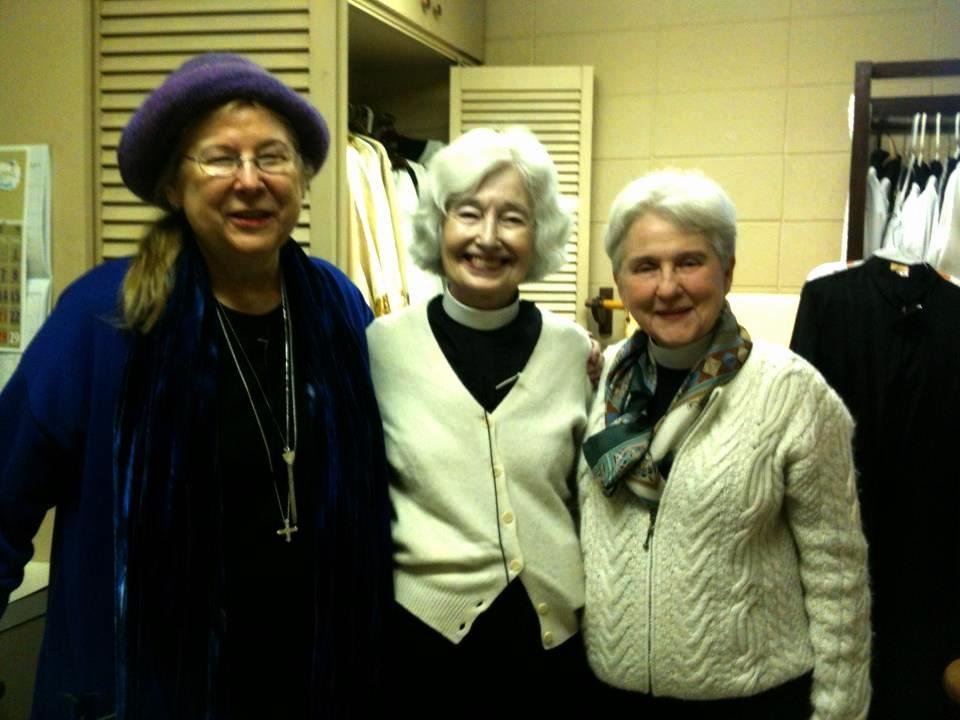
The treasured photograph is of me with a priest and another deacon as we were vesting for a special service for women at Saint Mark’s. It was a privilege to be with two women who constantly wear God and share that God of love with others. I hope to remember them and what they have shared with me each time I vest before a service, putting on another layer as we try to wear God.

Two more clothing verses.

“Put on the whole armor of God, so that you can stand against the devil’s schemes.” (Ephesians 6:11 NIV) I often keep this Ephesian passage with me when encountering a difficult situation.

Another passage from Colossians explains in more detail the meaning of wearing the armor of God and what we can take into those demanding situations. “Therefore, as God’s chosen people, holy and dearly loved, clothe yourselves with compassion, kindness, humility, gentleness, and patience.” (Colossians 3:12). This is quite a different coat of armor Paul tells us to wear.

Here is a suggestion. For the next week, as we dress, buttoning our shirts, zipping up our dresses, pulling up our socks, hose, and pants, putting on our shoes, consciously imagine we are putting on God, wearing Christ, especially compassion, kindness, humility, gentleness, and patience, as Paul suggests. Could that possibly make any difference in how we feel about ourselves/or how we treat others just for that day?

Joanna. https://www.joannaseibert.com/