Non-anxious Presence/ or Less Anxious Presence

Non-anxious presence/or Less anxious presence

“The sea does not reward those who are too anxious, too greedy, or too impatient. One should lie empty, open, choiceless as a beach - waiting for a gift from the sea.”—Anne Morrow Lindbergh in Gift from the Sea (Pantheon 1955, 1991).
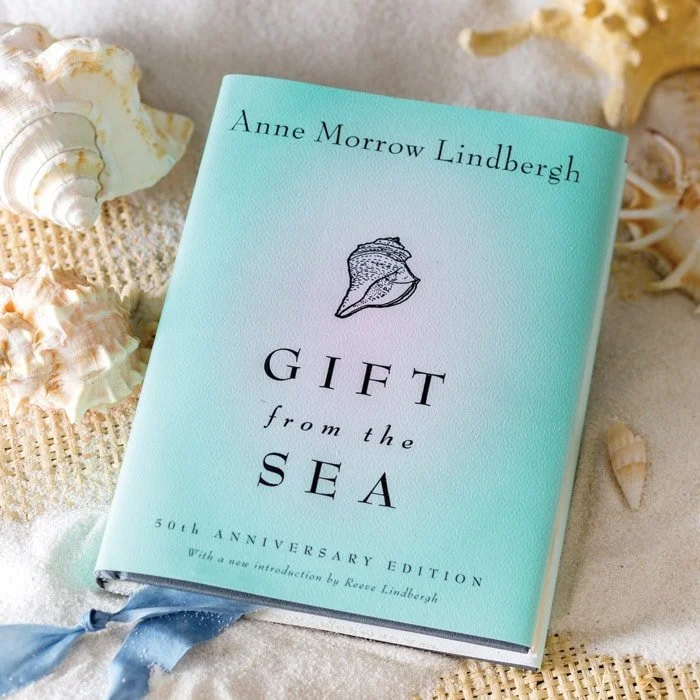
Anne Morrow Lindbergh describes our ideal position in our relationships and ministries. We are waiting “choiceless,” like at the beach, for the gift from the sea to know the next direction and the next words, especially in any decision or conflict.

Family Systems dynamics teaches us that if we can remain a non-anxious presence in tension in relationships with others, we may keep tensions from growing and eventually solve any dilemma. I know a few who can remain non-anxious, for it is not a human trait. However, staying less anxious is a real possibility.

If we can be the least anxious presence in any situation, we can keep our arteries from tightening, which can take minutes and weeks off our lifespan. Our inner and outer presence will stay calmer. We become a vessel for the spirit to become part of the relationship, decision, situation, meeting, encounter, or ministry.

Answer: How do we become like the beach waiting for the gift from the sea Lindbergh describes? It certainly involves spiritual disciplines. Prayer and meditation before, during, and after each decision, ministry, and relationship are a good place to start.

We learn from our own spiritual disciplines and from hearing about the experiences of others who follow them: centering prayer, morning prayer, yoga, a rule of life, spiritual direction, corporate worship, and study. There are many more. Our tradition, scripture, and reason tell us that these disciplines are gifts from God to help us care for our souls and those of others.
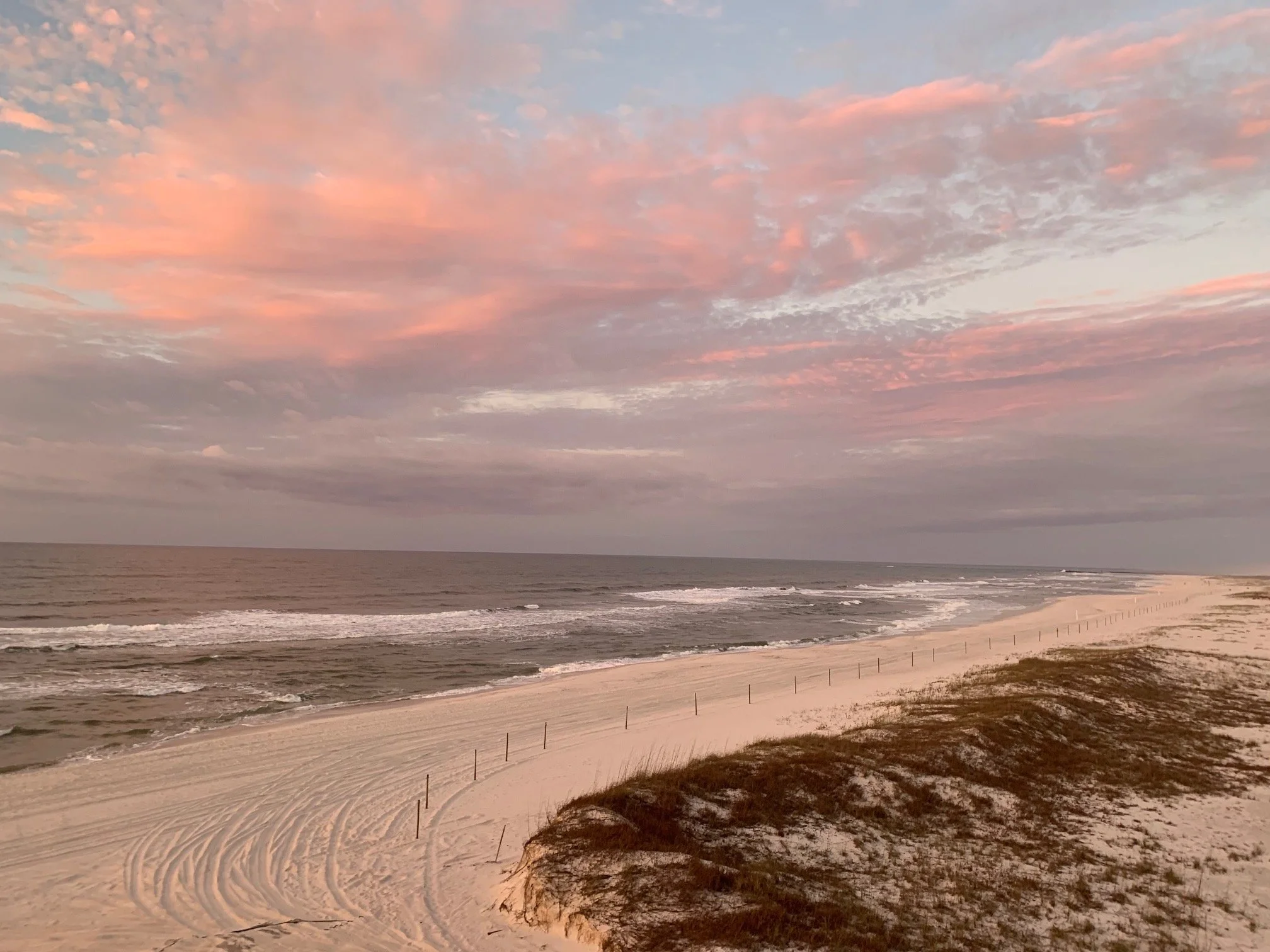
 But we should never forget Lindbergh’s central message. The world in nature outside our confined world is also the primary setting from which to learn, know, and feel the rhythm of waiting to receive Lindbergh’s gift from the sea.
Joanna  https://www.joannaseibert.com/

A Message from North Carolina:: 50 Sandwiches

A Message from North Carolina: 50 Sandwiches

 'Truly, I tell you, just as you did it to one of the least of these brothers and sisters of mine, you did it to me." Matthew 25:40

Guest Writer: Pan Adams McCaslin

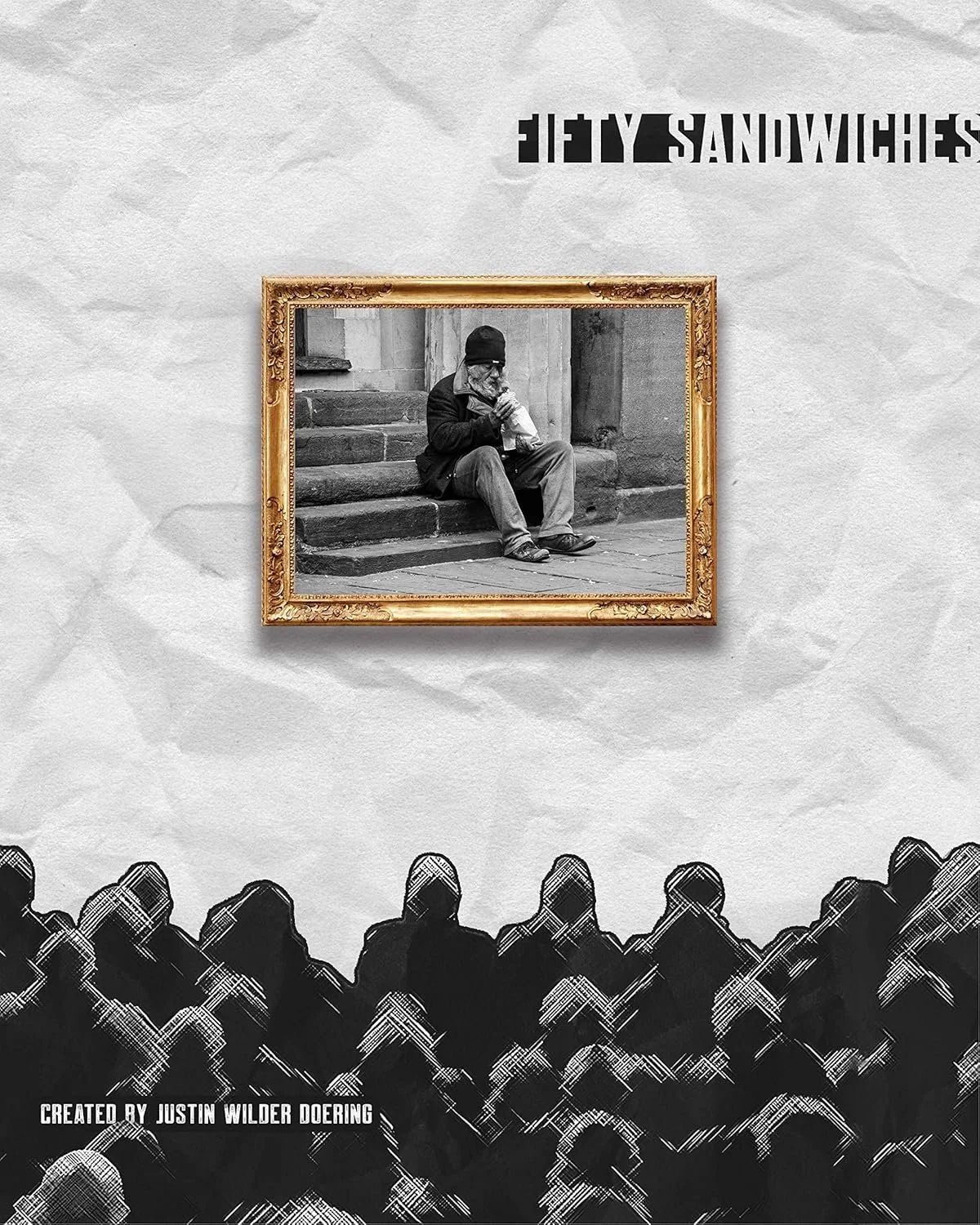
For over eight years, I have been actively involved with our area shelter agency, which serves seven counties in Western North Carolina. One of the many services provided includes feeding around 120 meals, three meals a day, 365 days a year, with takeout containers available for those not housed in the shelter or surrounding areas.

 Evening meals are provided by area churches, families, and civic groups who work in teams to prepare meals. During the pandemic, everything was served in takeout containers. We lost the ability to sit at the table together, share stories, listen to each other's anxieties, and better understand the circumstances of daily life.

In 2016, a Kickstarter project gathered stories of those living with homelessness – the book Fifty Sandwiches was the result. Its purpose was to raise public awareness, helping them understand that homelessness was more than just a lack of shelter.

"For I was hungry, and you gave me something to eat, I was thirsty, and you gave me something to drink, I was a stranger, and you invited me in,  I needed clothes, and you clothed me, I was sick, and you looked after me, I was in prison, and you came to visit me." Matthew 25:35-36.

Since Hurricane Helene hit Western North Carolina, shelter, food, and water have become basic survival needs for so many whose homes were either destroyed or no longer habitable. Compassionate care for those affected has poured in from around North America as restaurants that could not open due to the loss of potable water or other utilities provided food from food trucks or neighborhood grills.

The National Guard delivered food and water by helicopter. Construction equipment to move downed trees, destroyed water beds, and demolished homes appeared from northern states. College students unable to attend classes joined with non-profit groups to clear roads and debris. Utility companies from Canada and around the nation showed up to help rebuild utility lines. Neighbors helping neighbors, strangers helping strangers. "I was hungry, and you gave me something to eat." 

The world is hungry for compassion and caring. Jesus calls us to pay attention - and act.

Who in your midst is hungry – for caring, for compassion,  for food, and for shelter?

Pan Adams McCaslin

Joanna Seibert joannaseibert.com


Charleston: Magdalene, The World Within

Charleston: Magdalene, The World Within

“How hard it is sometimes to live in two worlds, the one we inhabit with the people around us and the one we live in alone. None may know the pain we hide, the deep wells of worry into which look the memories that enfold our lives like a forest. But the Spirit knows, cares, understands, and is ever beside us to offer comfort and counsel.”—Bishop Steven Charleston, Daily Facebook Page.

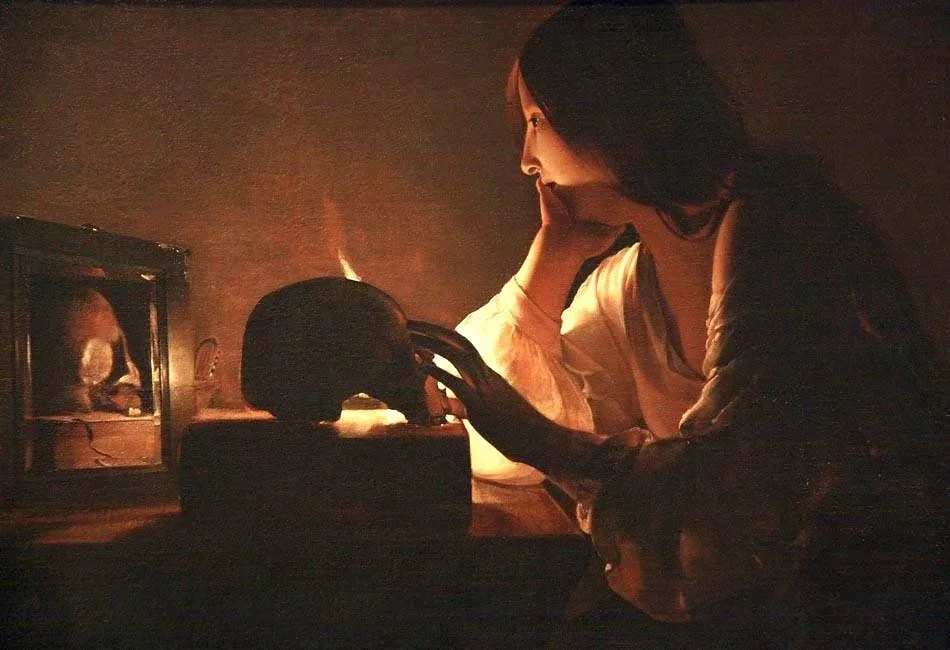
Repentant Magdalene George de La Tour

The Repentant Magdalene

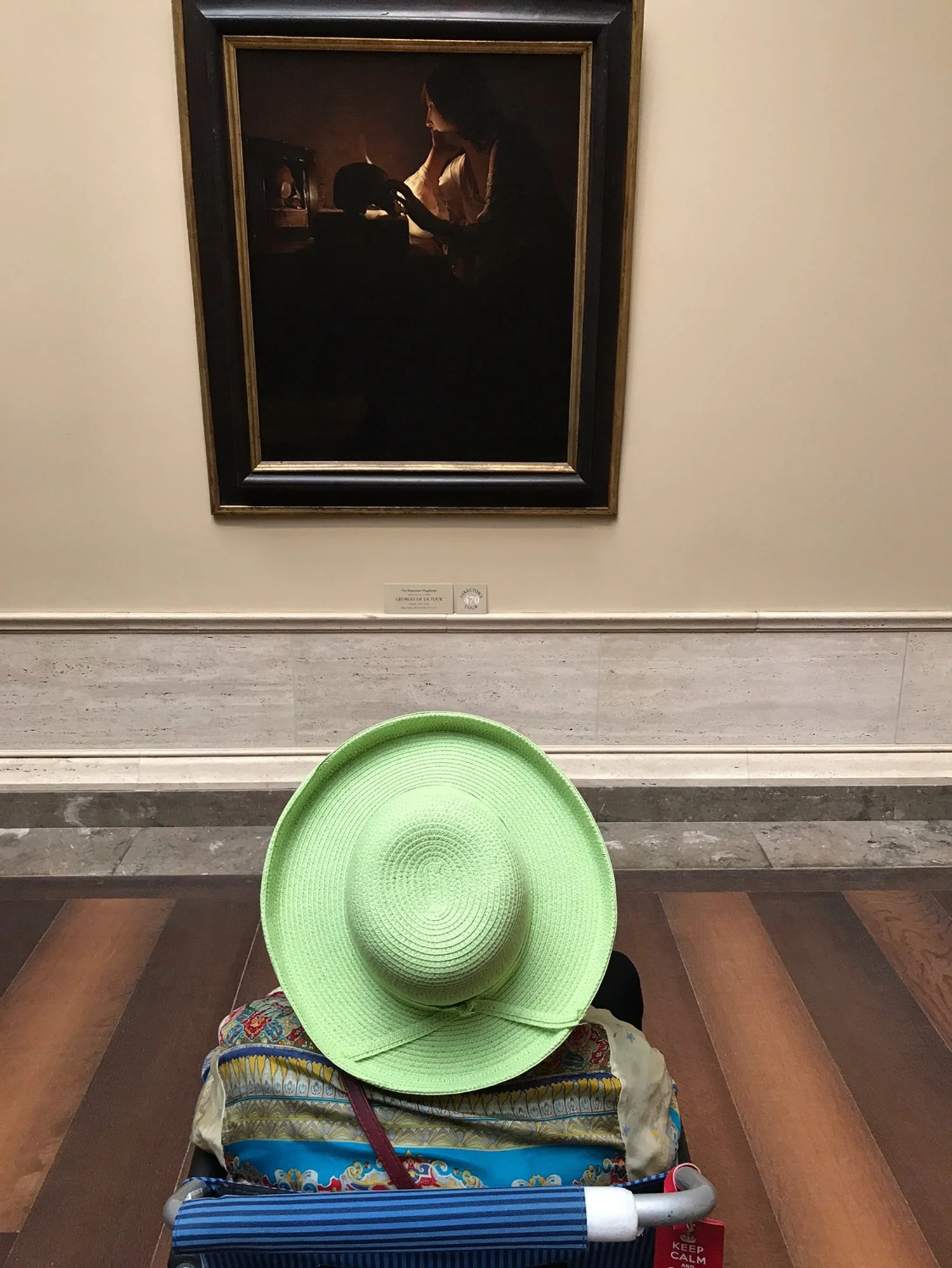
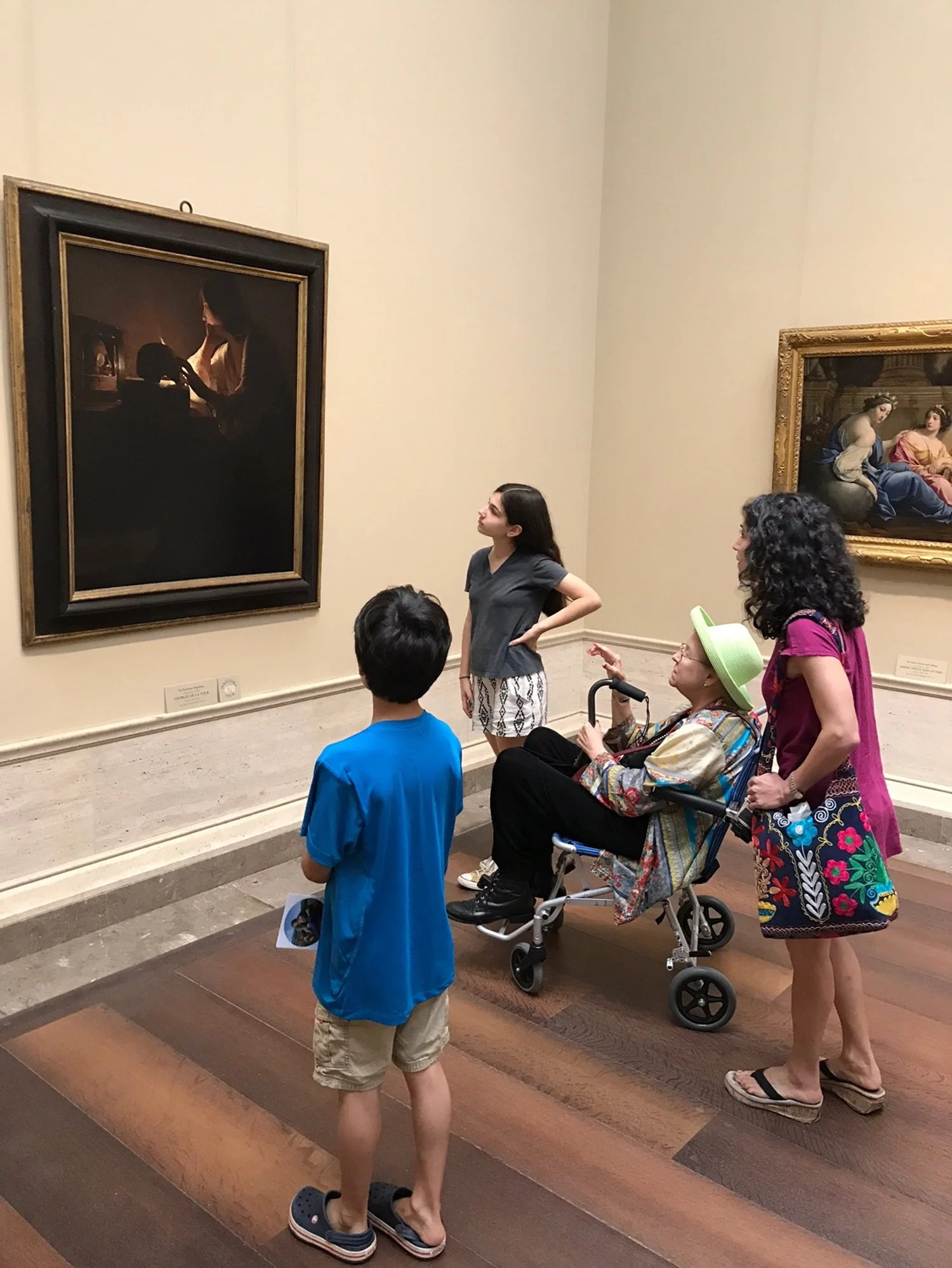
Several years ago, I spent time with a 394-year-old friend I have known for the last forty years. We first met when she was one of three Georges de La Tour’s Magdalene paintings at a rare National Gallery of Art exhibition. She was the only one in their permanent collection. Before an important meeting in Washington, I visited her that morning, and she quieted my soul.
I instantly fell in love with her. She spoke to me as no other painting has before or since. This Magdalene sits with her left hand on a skull. She does not look at the skull directly; she sees its image in a mirror in front of her. The chiaroscuro scene is dark, illuminated only by a partially hidden candle beside the skull. I talk to Magdalene and thank her for her insights.

 For me, the skull represents our insides, the inner life, what our skin covers up, the Christ within, and the negative parts of our unconscious. Over the years, this Magdalene has taught me that we most often see ourselves by looking into a mirror, a reflection. Seeing what we are beneath our surface is too painful and overwhelming. We cannot look there directly. It is like looking at the sun. The mirror represents the reflection we see of ourselves in others. We learn and understand the authentic parts of ourselves by seeing ourselves in our neighbors.

 God calls us to community to learn from others who we truly are. I best see my own soul, the Christ within me, as well as my many unconscious character defects, by first seeing them in others. We learn about our unconscious character defects by first becoming aware of them as we observe them in others, and seeing how unattractive they are. We see Christ’s love in others, realize that love is also in us, and want to become like that love outwardly and share it.

Caring for our souls is finding Christ within ourselves by first seeing what is holy in another. The Christ in our neighbor soon helps us realize the miracle of Christ’s presence within ourselves as well.

Next, we are called to share it with others.

If we do not pass it on, our image of God stays too small.