Merton and Prayer and Love

Merton and Prayer and Love

“If my prayer is centered in myself, if it seeks only an enrichment of my own self, my prayer itself will be my greatest potential distraction.”—Thomas Merton in Thoughts in Solitude.
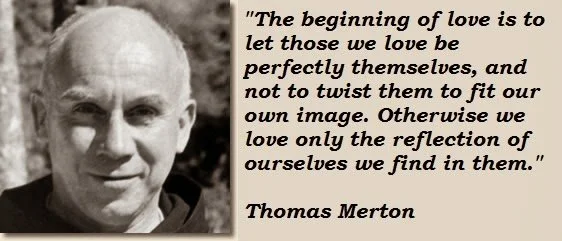
Thomas Merton reminds us what our prayer life becomes when our prayers center on ourselves, our own desires, needs, and knowledge. Merton calls this kind of life a distraction that keeps us from the truth, a diversion, a disturbance of the mind, a hindrance.

We think we are doing everything right, but in essence, we are back where we started, with our world centered on ourselves rather than God.

We may think God is our co-pilot, but we are the pilot. This is because we have such good ideas.

God is there to ensure that our ideas and prayers are answered.

I think about all the prayers I prayed that went unanswered when I was young, and how I now know it would have been a disaster, the boyfriends who never gave me the time of day, and how I would have sold my soul for them. But I also well remember the prayers answered that were harmful, the jobs I thought I had to have, and the co-workers I just knew would be perfect.

As friends in recovery say, “Our best thinking got us here.”

When we do not say to God, “Your will be done,” his answer may sometimes be, “Your will be done.”

Merton calls us to the prayer life of surrender, turning our prayers, our lives, and our wills over to God, “thy will be done.”

This prayer life also calls for acceptance, forgiveness, gratitude, and most of all, love, knowing that we are loved and, in turn, offering that love to others.

Today, January 31st, is Merton’s birthday. He was born in 1915 in Prades, France, to an American mother and a New Zealand father, both artists. His mother died when he was five, and his father died ten years later.

We honor Merton on his birthday by remembering and sharing one of the many things he taught us. I hope to do the same for so many others who will share their life with us during this new year.
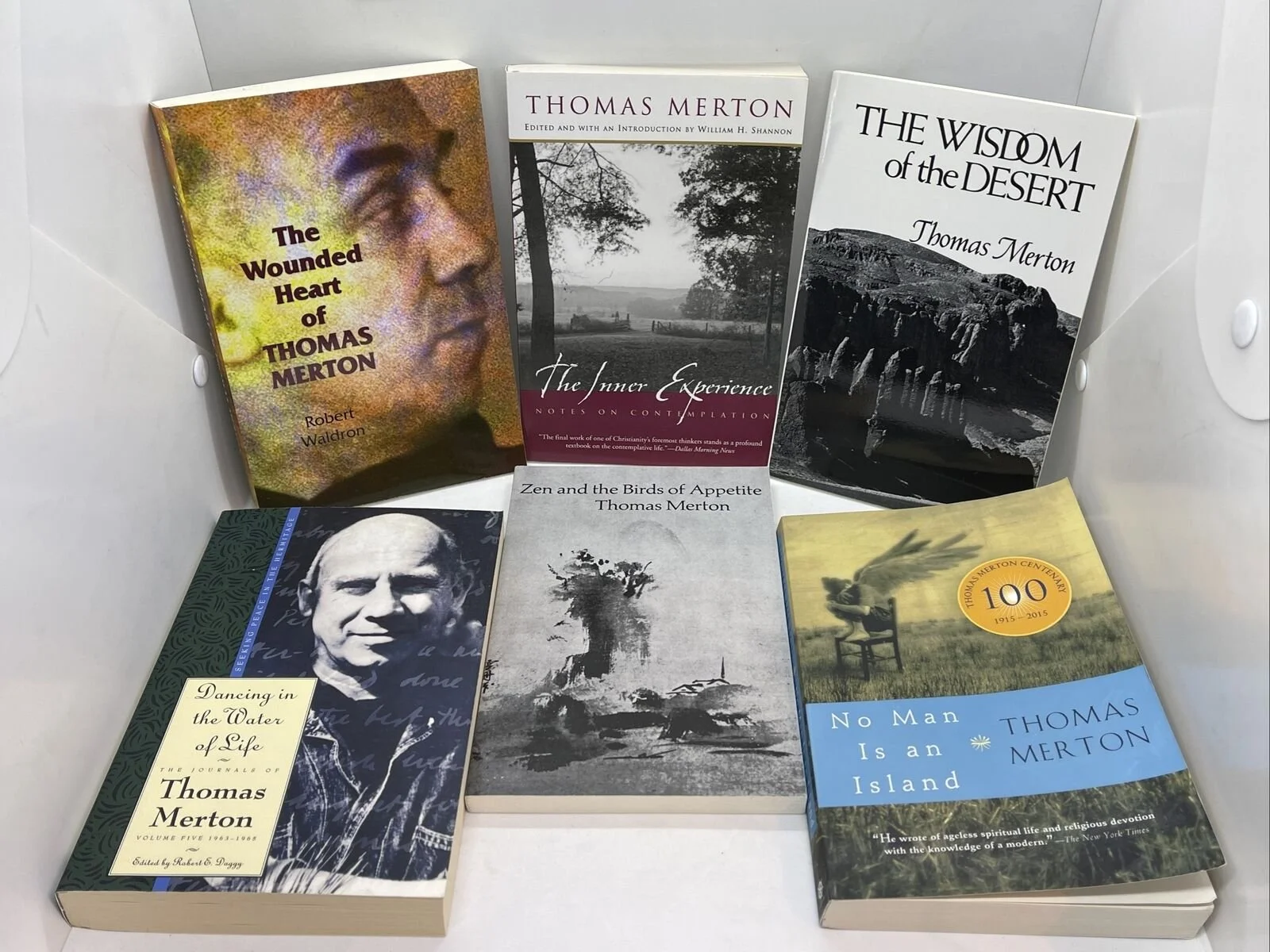
Joanna https://www.joannaseibert.com/


Balbir Matbur: Being Part of the Symphony

Balbir Matbur: Part of the Symphony

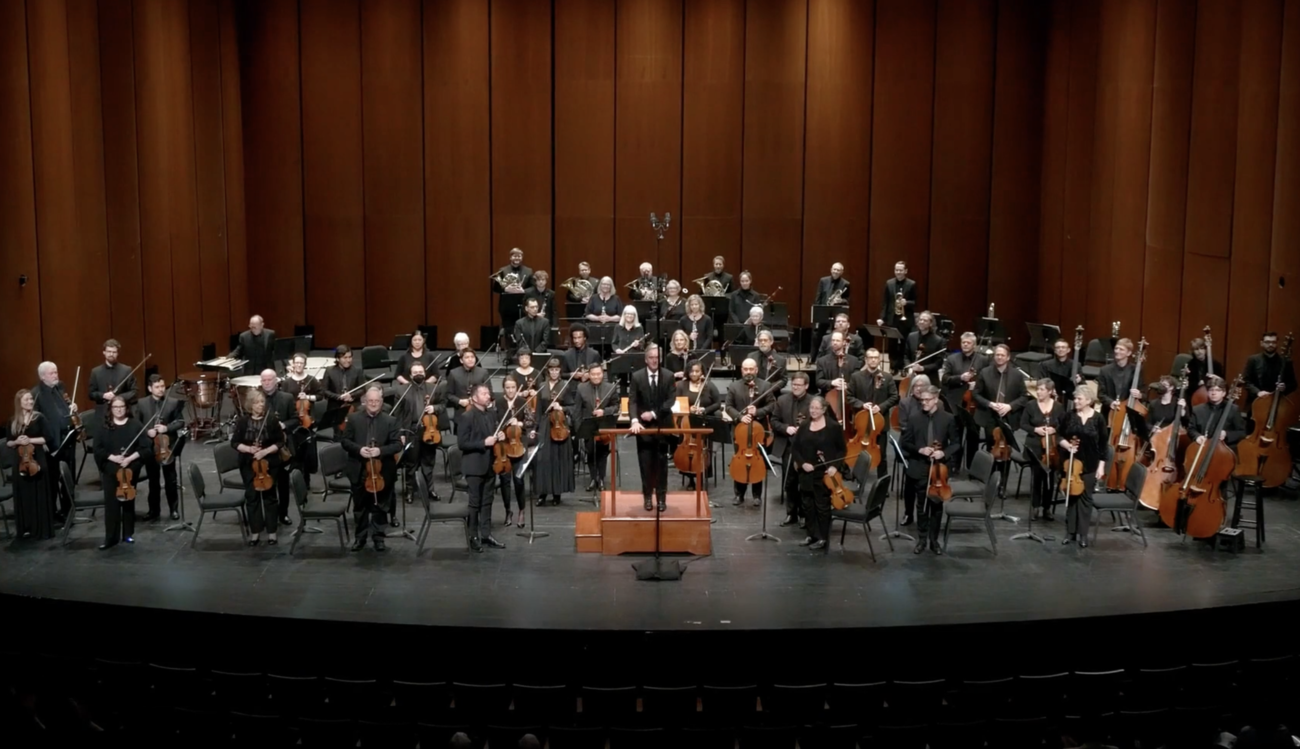
Arkansas Symphony Orchestra

“I plant trees, but I am not the doer of this work. I am the facilitator, the instrument—I am one part of the symphony. I know this symphony has an overall scheme that I cannot understand.

In some way, we are each playing our part. It is not for me to judge or criticize the life or work of another. All I know is that this is my dance. I would plant trees today, even if I knew for certain that the world would end tomorrow.”—Balbir Matbur in Heron Dance interview (Issue 11) from Inward Outward, Daily Words, October 19, 2016, inwardoutward.org 

Our tickets at the Arkansas Symphony Orchestra were in the third row for many years. At times, we felt we were part of the orchestra. We knew who sat where, when someone new was there, or when someone was missing. We learned a few by name. Many orchestra members were still there when we first came to Little Rock over forty years ago.

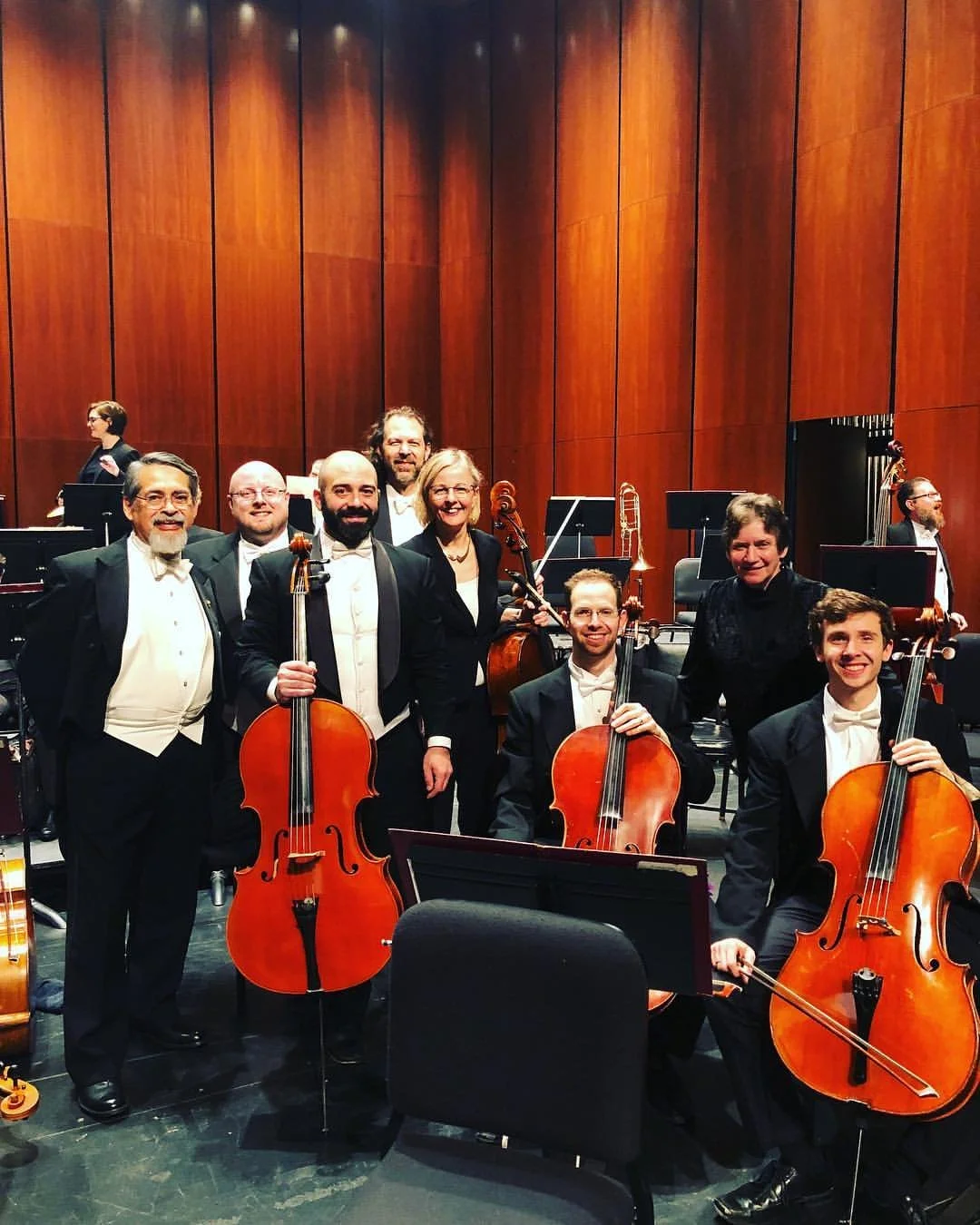
I especially remember one moment many years ago, when the first cellist had a twenty-second solo near the end of the performance. Suddenly, we heard his deep, melodious sound above the rest of the orchestra, and then, just as suddenly, he faded back into the background to support the other instruments.

If I had been him, I would have been too nervous the whole night, waiting for that brief moment when the soloist’s voice soared above the rest of the orchestra. The professional cellist seemed as comfortable blending in the symphony as he was with his solo. He also maintained direct eye contact with the conductor throughout his brief solo. I later wondered about the many hours he must have practiced this short solo until it was almost part of his being.

The cellist taught me that we spend most of our lives as members of the orchestra, each with our unique instruments and talents, blending and adding depth to the composition assigned to us.

Sometimes, we are called to speak out above the symphony’s music. Before we do this, however, we should be prepared by practicing, knowing our part intimately, especially the timing, and keeping our eye on the conductor. Most of the time, we are called to spend our gifts blending, supporting, and, in many ways, encouraging the sounds of others.

Joanna   https://www.joannaseibert.com/
Nouwen: Zero -Sum Mentality

Nouwen: Zero-Sum

“Fearful people say: ‘There’s not enough food for everyone, so I better save enough for myself in case of emergency,’ or ‘There’s not enough knowledge for everyone to enjoy, so I’d better keep my knowledge to myself, so no one else will use it’ or ‘There’s not enough love to give to everybody, so I’d better keep my friends for myself to prevent others from taking them away from me.’

This is a scarcity mentality. It involves hoarding whatever we have, fearful that we won’t have enough to survive. The tragedy is what you cling to ends up rotting in your hands.”—Henri Nouwen, “Temptation to Hoard,” Henri Nouwen Society Daily meditation, May 6, 2017. From Bread for the Journey, Henri J. M. Nouwen (HarperSanFrancisco 1997).

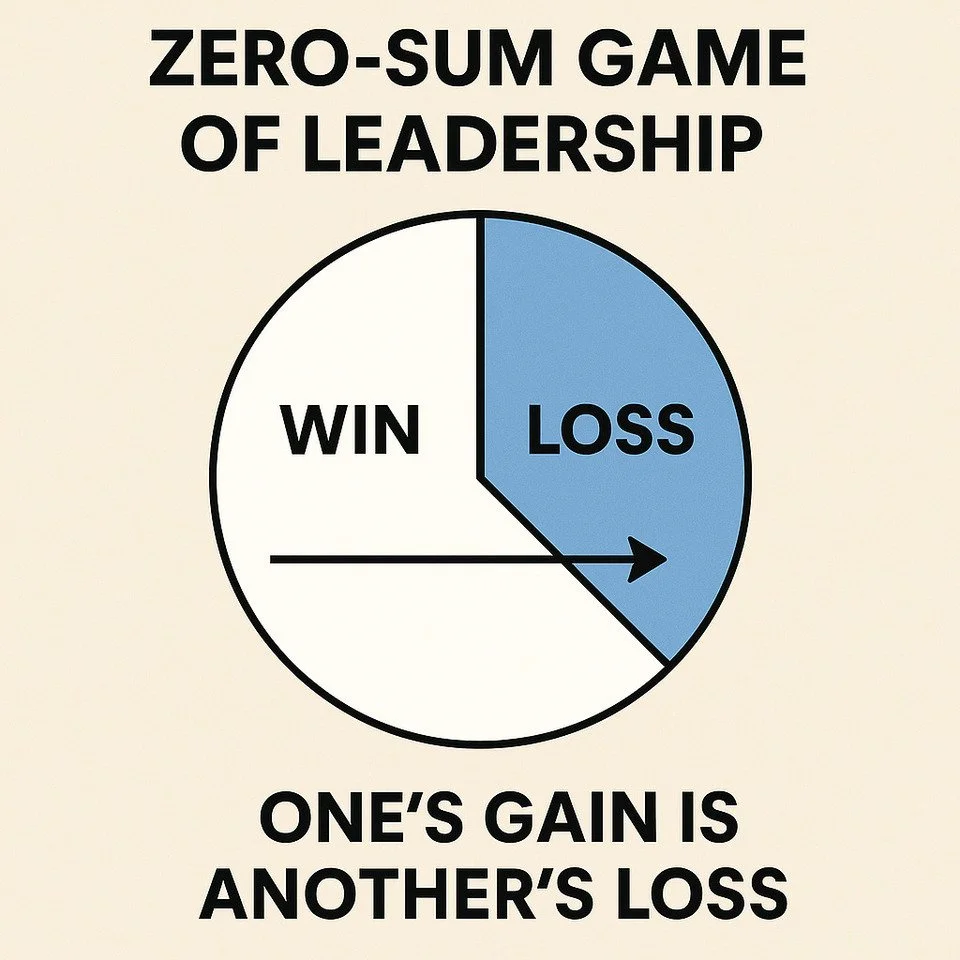
Nouwen first describes our life as a zero-sum mentality. We can only do well, win, or succeed if someone else loses, so we will not share because there is so much food, love, and land to go around.  

There is one pie. If someone takes a slice, there is less for the rest. So, one person’s gain is another’s loss. This theory describes situations where total wins and losses add up to zero. Thus, one party benefits at the direct expense of another.

There is only so much and not enough for all. Some must lose for others to gain. It is a competitive scarcity worldview that leads to nationalism and a fear-based society.

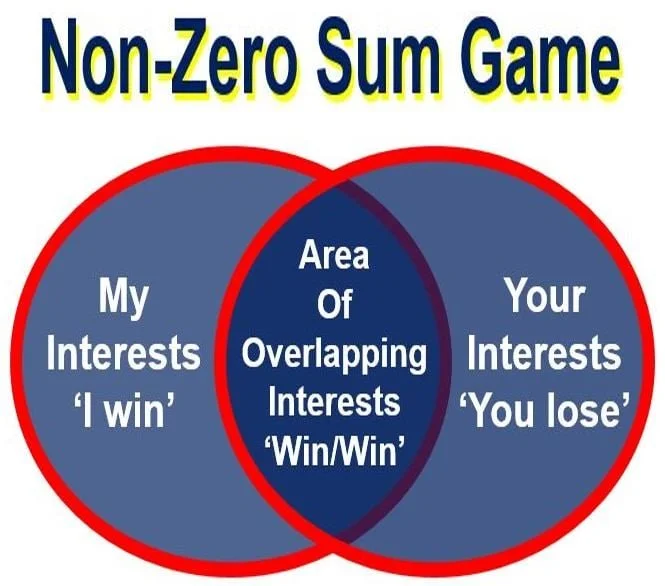
 The opposite of the scarcity mentality is a positive-sum situation, or an abundance mentality, in which the total gains and losses are greater than zero. A positive-sum plan occurs when we see resources as abundant. We plan an approach that satisfies the desires and needs of all concerned.

One example is when two parties profit financially by participating in a contest, regardless of who wins or loses. Positive-sum outcomes occur in distributive bargaining, where different interests are negotiated to meet everyone’s needs. With an abundance mentality, there is enough for all.

How we view our neighbors, ourselves, and the world is totally different in these two views. A zero-sum lifestyle is isolated and lonely, guided by self-interest. A positive-sum life sees abundance and shares food, love, and knowledge with those in need. Consequently, Nouwen reminds us, “There are many leftovers.”

Jesus’ feeding of the 5000, found in all four gospels, is a story of a positive-sum experience.

 My experience is that I live in fear within a zero-sum lifestyle when I compete with others for the love, attention, or support of a person or entity. However, there is peace in my life when I live, knowing there is enough love, support, and attention for everyone.

Joanna      https://www.joannaseibert.com/