Greensboro, February 1, 1960: Reaching Out of Ourselves
 Greensboro, February 1, 1960: Reaching Out of Ourselves

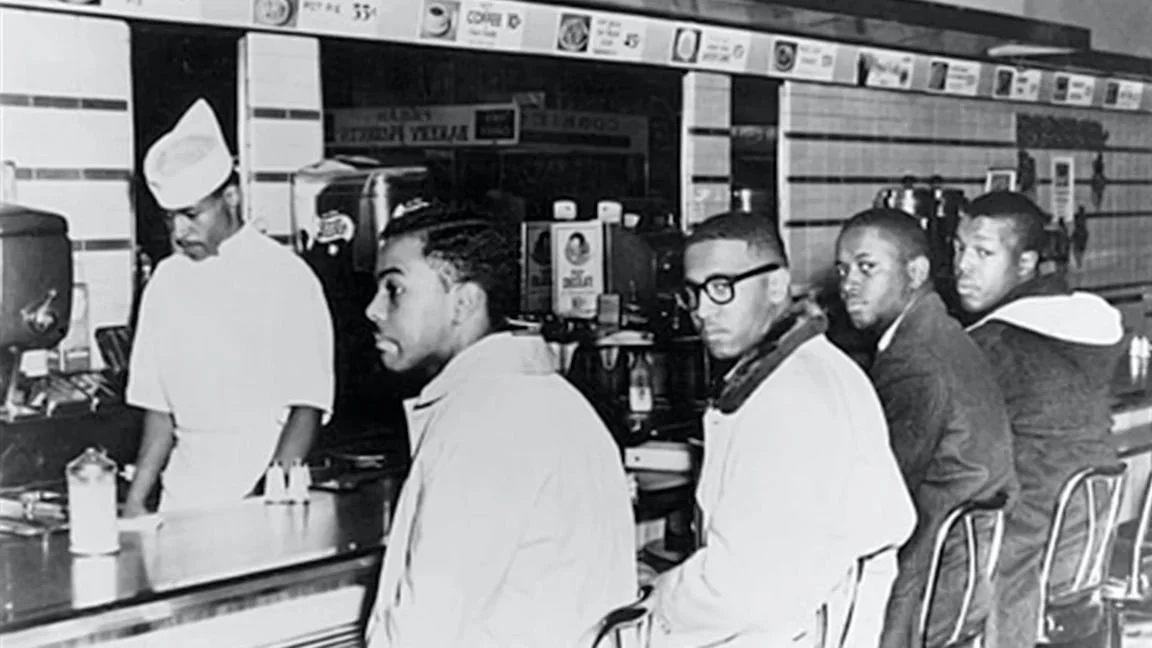
Greensboro sit in at Woolworth lunch counter 1960

 “Love is stronger than fear. No matter how many walls fear may build around us, warning us to be afraid of the person standing next to us, urging us to withdraw into deeper and deeper bunkers of conformity, claiming our only strength is in power, love will subvert it, to remind us that beneath the uniforms we all look the same, feel the same, cry and laugh the same.

Love calls us to find a way to listen, learn, and live. Every faith has its share of fanatics, but they are only as influential as we allow them to be. Love is our common ground. Love is the will of the many to overcome the fear of the few.”—Steven Charleston’s Facebook Page.

 February 2020 seems so long ago. It was a time of naivety, when most could not believe or imagine that this pandemic was coming to our country. How bewildering that we would think we could keep an infection so contagious away from this land. Did we not realize that we are a global society?

  I also remember seeing a Google image that month, reminding us that over 60 years ago, on February 1, 1960, four African American students from a local college in Greensboro, North Carolina, began a nonviolent sit-in at the “whites only” Woolworth’s Department Store lunch counter. Before long, students from local colleges joined them, including those from the university I would soon attend. The sit-ins spread all over the country. Finally, in July, Woolworths allowed blacks to eat at its counters after suffering substantial financial losses across all its stores during the student boycott. The Woolworths Store in Greensboro is now the International Civil Rights Center and Museum.

I write about this momentous civil rights movement because it began just before I enrolled at the University of North Carolina at Greensboro, considered one of the best public colleges for women. I vaguely remember reading about the sit-in in our local paper, but I was oblivious to the civil rights movement at the time.

My only concern was going to college. Is this disturbance going to keep me from going to college? During that time, I never participated in any movement for others’ rights. The four thousand women at my college only rioted when the drink machines were removed from the dorms on campus, but I did not even participate in that.

This morning, I wonder how aware I am today of the suffering and loss of fundamental rights for others, even in my state, much less the world. I think I am more aware, but this event in my life sixty years ago reminds me how easy it is to be so wrapped up in my world and not see, be aware, or do something about the loss of rights and suffering of others who are different: African Americans, Native Americans, Muslims, Hispanics, immigrants in our country and at our borders.

So, I will keep this in my prayers today and pray for awareness to look outside my life and reach out to the suffering of others in my city, my country, and the world.
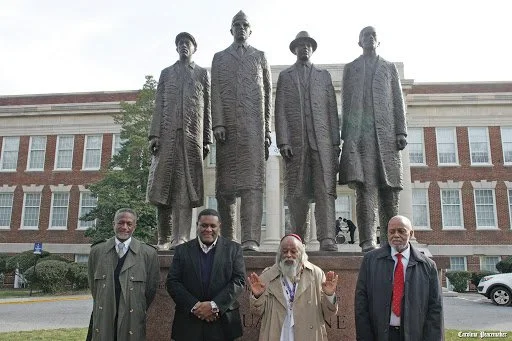
Students 60 years later

God never gives up, calling us out of our tiny world to the world outside of us through the voices of the world’s greatest needs. Even if we did not hear this call when they first reached out to us, voices from the past continue to call us to speak up, stand up, or even sit down with our brothers and sisters.

 Joanna. https://www.joannaseibert.com/
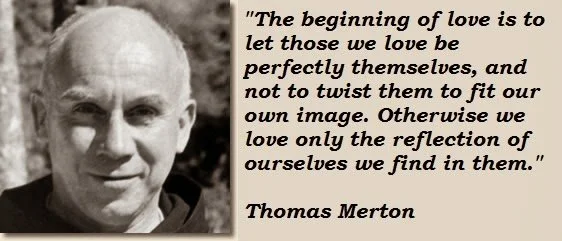
 

Merton and Prayer and Love

Merton and Prayer and Love

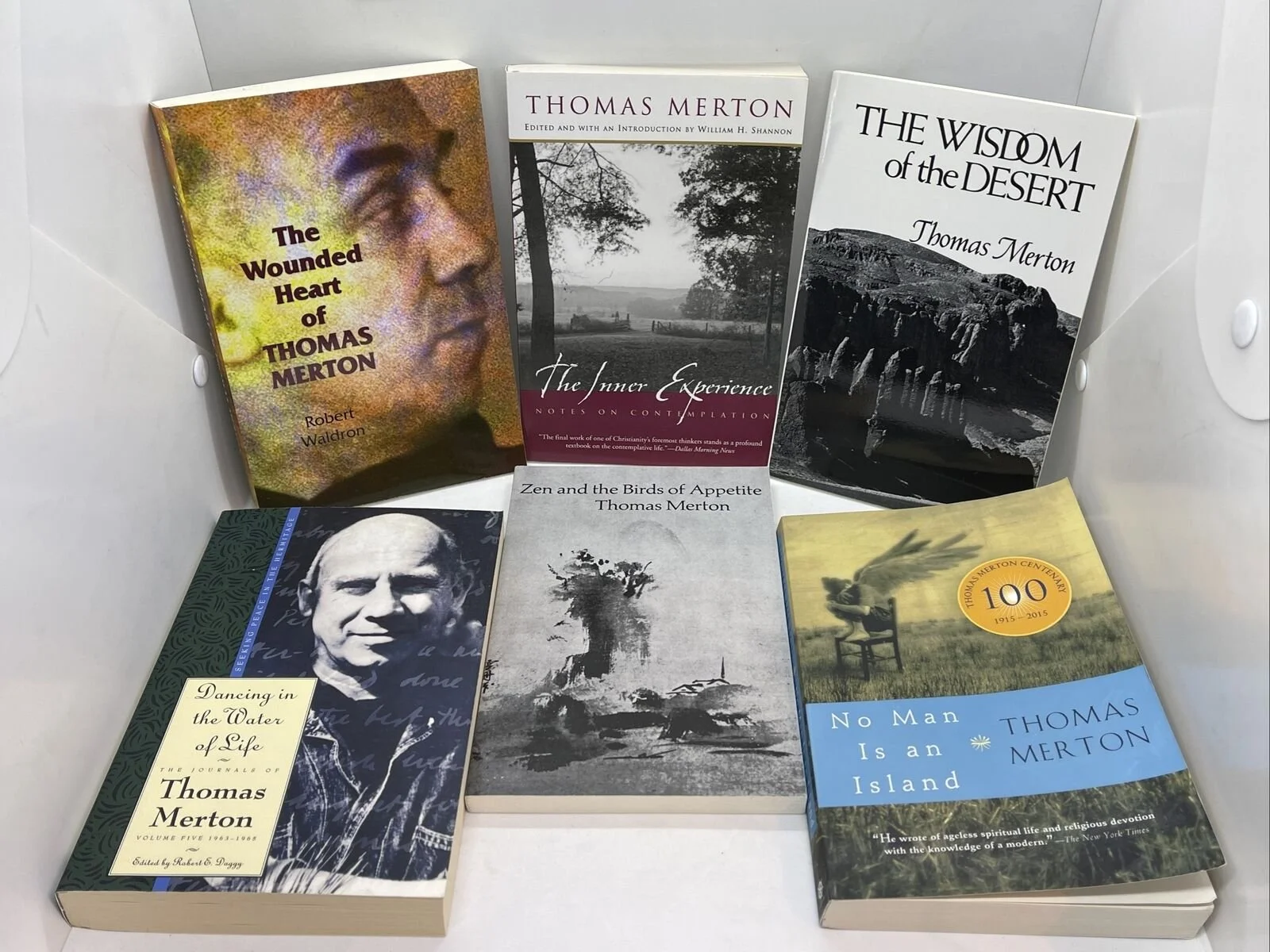
“If my prayer is centered in myself, if it seeks only an enrichment of my own self, my prayer itself will be my greatest potential distraction.”—Thomas Merton in Thoughts in Solitude.

Thomas Merton reminds us what our prayer life becomes when our prayers center on ourselves, our own desires, needs, and knowledge. Merton calls this kind of life a distraction that keeps us from the truth, a diversion, a disturbance of the mind, a hindrance.

We think we are doing everything right, but in essence, we are back where we started, with our world centered on ourselves rather than God.

We may think God is our co-pilot, but we are the pilot. This is because we have such good ideas.

God is there to ensure that our ideas and prayers are answered.

I think about all the prayers I prayed that went unanswered when I was young, and how I now know it would have been a disaster, the boyfriends who never gave me the time of day, and how I would have sold my soul for them. But I also well remember the prayers answered that were harmful, the jobs I thought I had to have, and the co-workers I just knew would be perfect.

As friends in recovery say, “Our best thinking got us here.”

When we do not say to God, “Your will be done,” his answer may sometimes be, “Your will be done.”

Merton calls us to the prayer life of surrender, turning our prayers, our lives, and our wills over to God, “thy will be done.”

This prayer life also calls for acceptance, forgiveness, gratitude, and most of all, love, knowing that we are loved and, in turn, offering that love to others.

Today, January 31st, is Merton’s birthday. He was born in 1915 in Prades, France, to an American mother and a New Zealand father, both artists. His mother died when he was five, and his father died ten years later.

We honor Merton on his birthday by remembering and sharing one of the many things he taught us. I hope to do the same for so many others who will share their life with us during this new year.

Joanna https://www.joannaseibert.com/


Balbir Matbur: Being Part of the Symphony

Balbir Matbur: Part of the Symphony

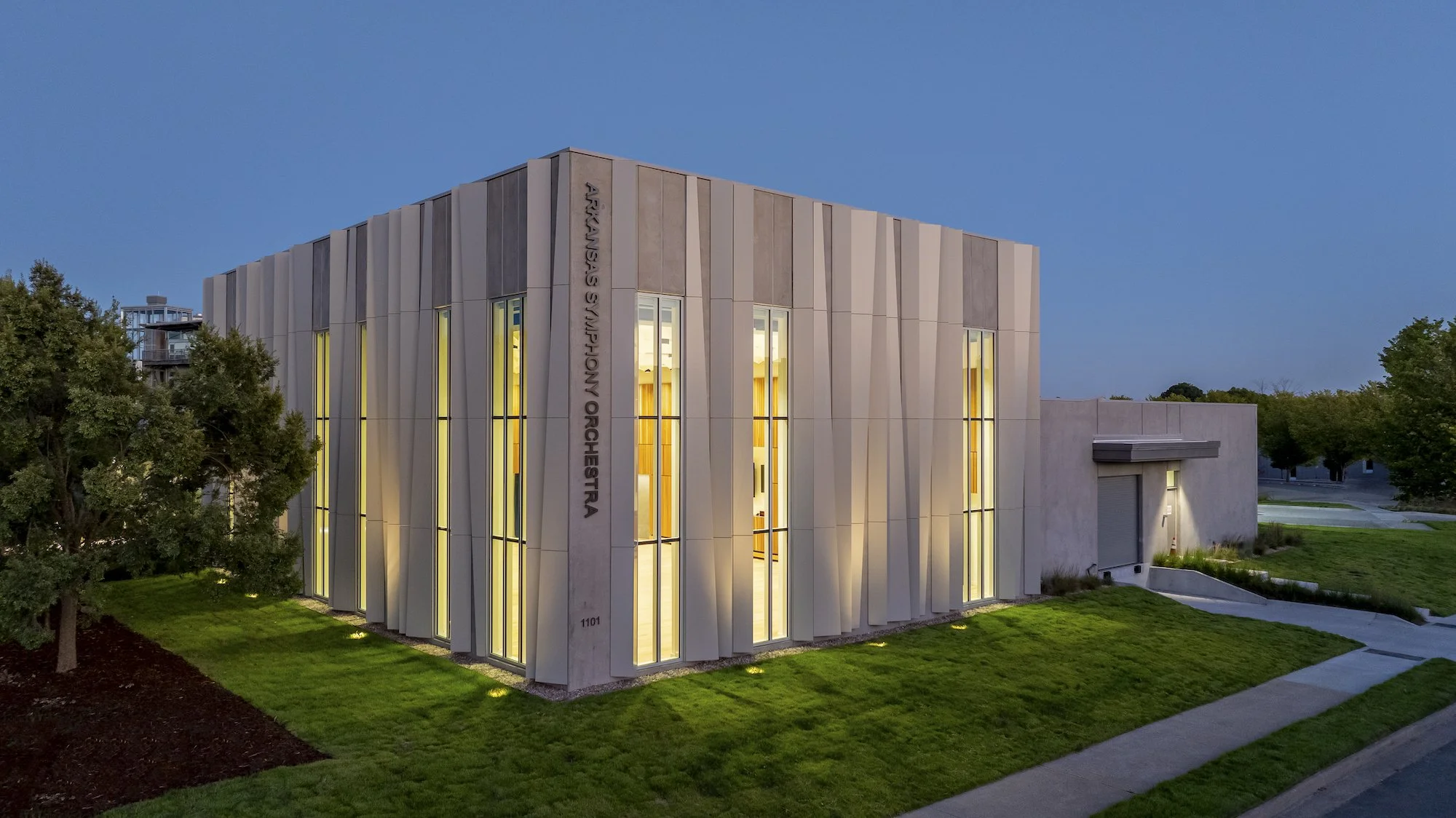
Arkansas Symphony Orchestra

“I plant trees, but I am not the doer of this work. I am the facilitator, the instrument—I am one part of the symphony. I know this symphony has an overall scheme that I cannot understand.

In some way, we are each playing our part. It is not for me to judge or criticize the life or work of another. All I know is that this is my dance. I would plant trees today, even if I knew for certain that the world would end tomorrow.”—Balbir Matbur in Heron Dance interview (Issue 11) from Inward Outward, Daily Words, October 19, 2016, inwardoutward.org 

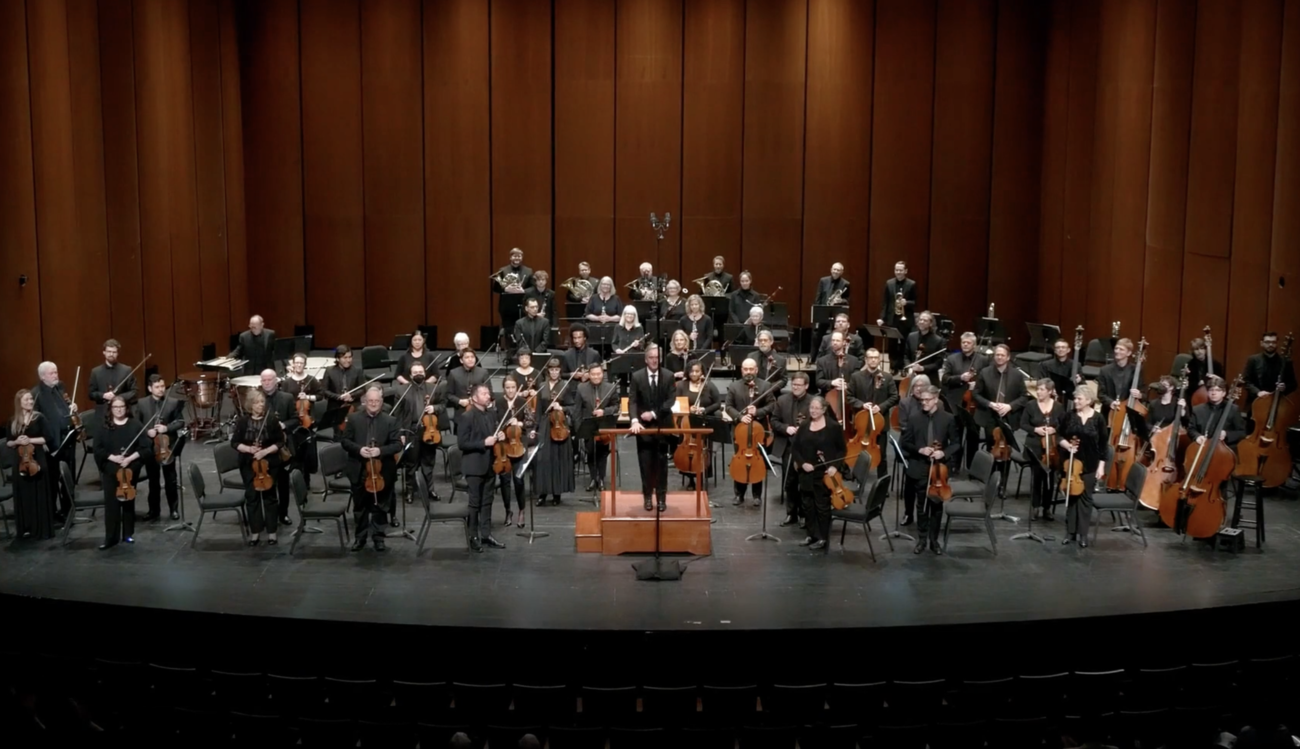
Our tickets at the Arkansas Symphony Orchestra were in the third row for many years. At times, we felt we were part of the orchestra. We knew who sat where, when someone new was there, or when someone was missing. We learned a few by name. Many orchestra members were still there when we first came to Little Rock over forty years ago.

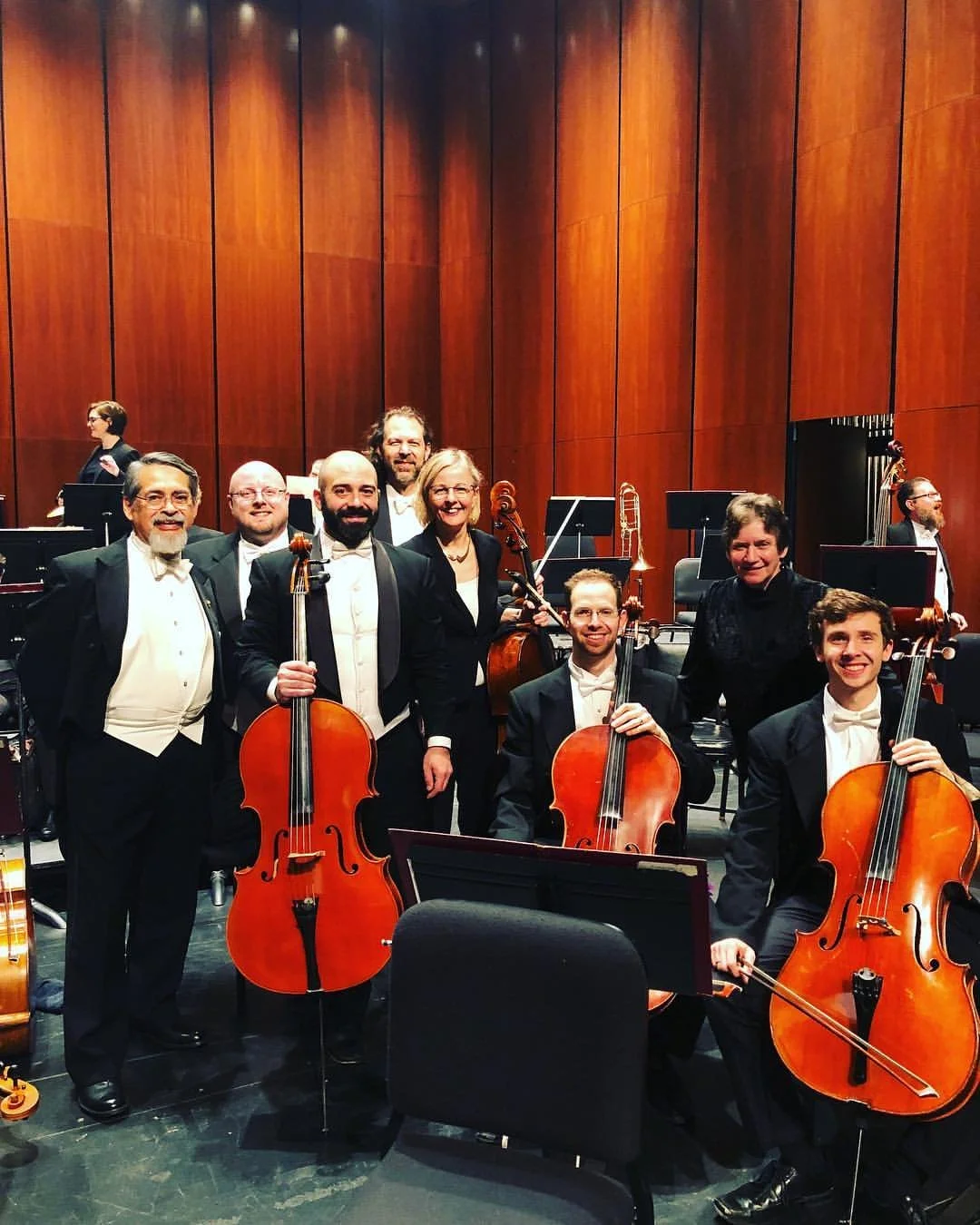
I especially remember one moment many years ago, when the first cellist had a twenty-second solo near the end of the performance. Suddenly, we heard his deep, melodious sound above the rest of the orchestra, and then, just as suddenly, he faded back into the background to support the other instruments.

If I had been him, I would have been too nervous the whole night, waiting for that brief moment when the soloist’s voice soared above the rest of the orchestra. The professional cellist seemed as comfortable blending in the symphony as he was with his solo. He also maintained direct eye contact with the conductor throughout his brief solo. I later wondered about the many hours he must have practiced this short solo until it was almost part of his being.

The cellist taught me that we spend most of our lives as members of the orchestra, each with our unique instruments and talents, blending and adding depth to the composition assigned to us.

Sometimes, we are called to speak out above the symphony’s music. Before we do this, however, we should be prepared by practicing, knowing our part intimately, especially the timing, and keeping our eye on the conductor. Most of the time, we are called to spend our gifts blending, supporting, and, in many ways, encouraging the sounds of others.

Joanna   https://www.joannaseibert.com/