Benedictine Life

Benedictine Life

“Listen carefully, my child, to my instructions, and attend to them with the ear of your heart.”— Prologue to Rule of Benedict.

In the 6th century, Benedict of Nursia tried to follow a spiritual path on his own and realized he had to do so in community. From his awareness, we now have the Rule of Benedict, a way to find and follow God in community, balancing work, study, sleep, worship, prayer, and recreation. Members of Benedictine monasteries have used this rule for centuries.

Today, people are developing ways to follow a rule as they live in the secular world, still connecting in community with spiritual friends and spiritual directors.

This prologue to the rule is my favorite part. “Listen with the ear of your heart.” This is the call to the spiritual life, a way to live in the world still connected to God. First, we are to listen and pay attention. We are to use the ear of our hearts. We are to connect to something outside ourselves, hearing and loving. We hear about and learn from love in a community outside ourselves.

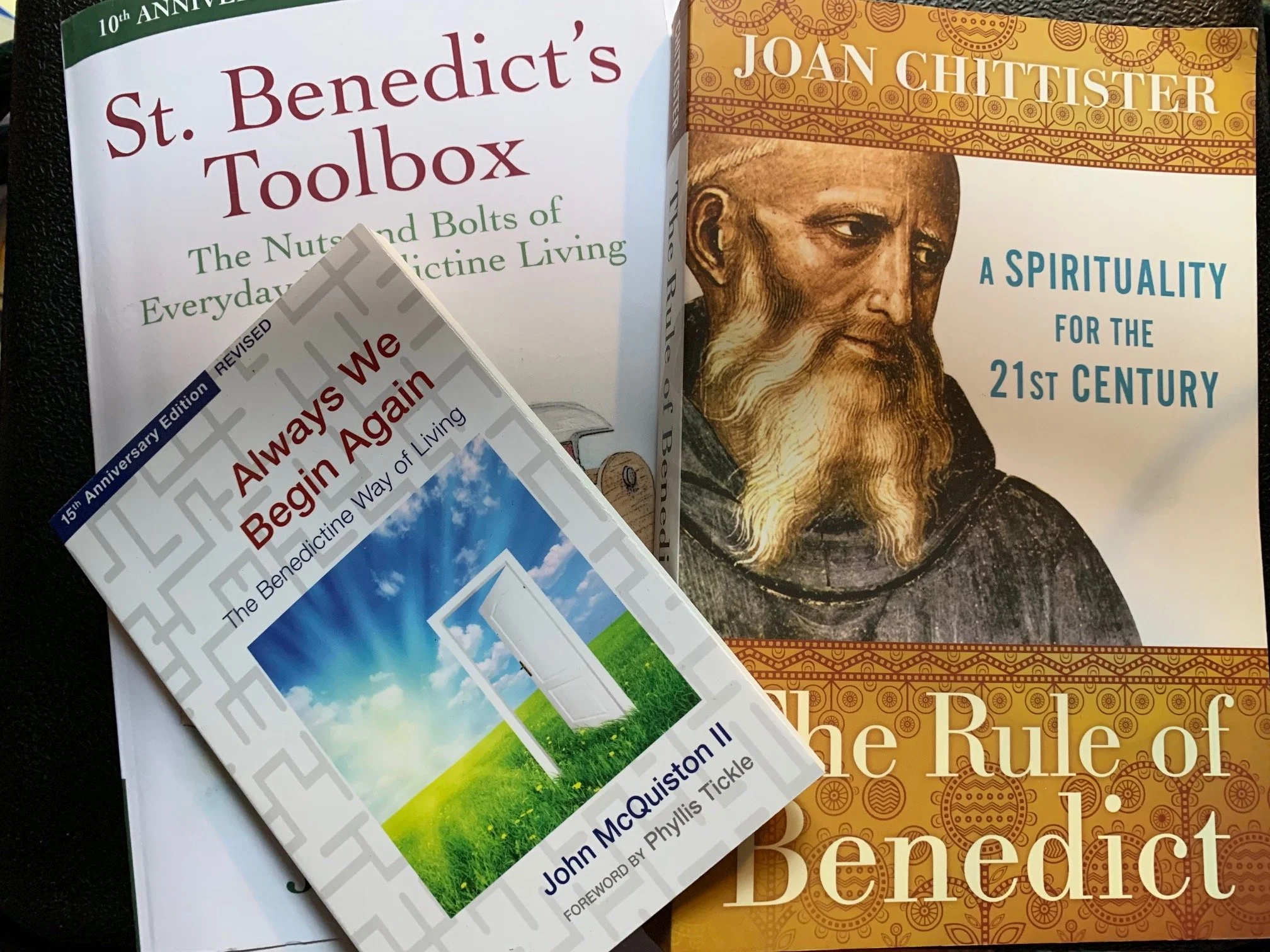
There are many outstanding books about the Rule of Benedict. I will share three favorites, but I would like to hear from others about the books that have been most helpful as you try to find your rule of life.

The Rule of Benedict, A Spirituality for the 21st Century, by Joan Chittister, is used by the International Community of Hope to train lay pastoral caregivers, immersing them in Benedictine spirituality. Joan Chittister writes a short meditation after each part of the rule and applies it to everyday life.

Always We Begin Again, The Benedictine Way of Living is a pocket-sized book someone can carry daily. Memphis lawyer John McQuiston II wrote this modernization of Benedict’s Rule and included a sample rule of life.

St. Benedict’s Toolbox is precisely what the author, Jane Tomaine, calls it in her subtitle, The Nuts and Bolts of Everyday Benedictine Living.

All three books are outstanding to read together in community, learning and supporting each other.

Joanna https://www.joannaseibert.com/
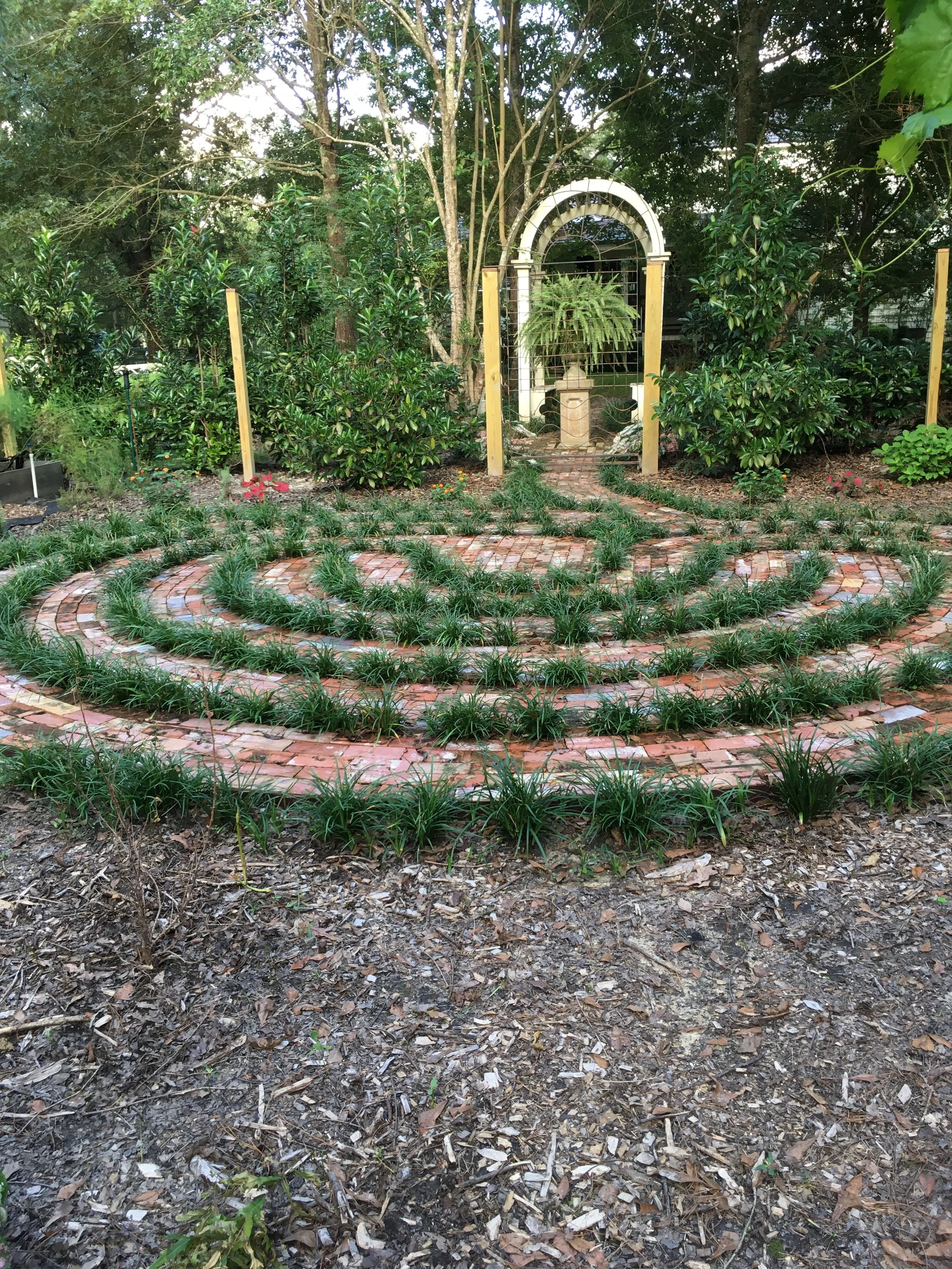

Walking Meditation

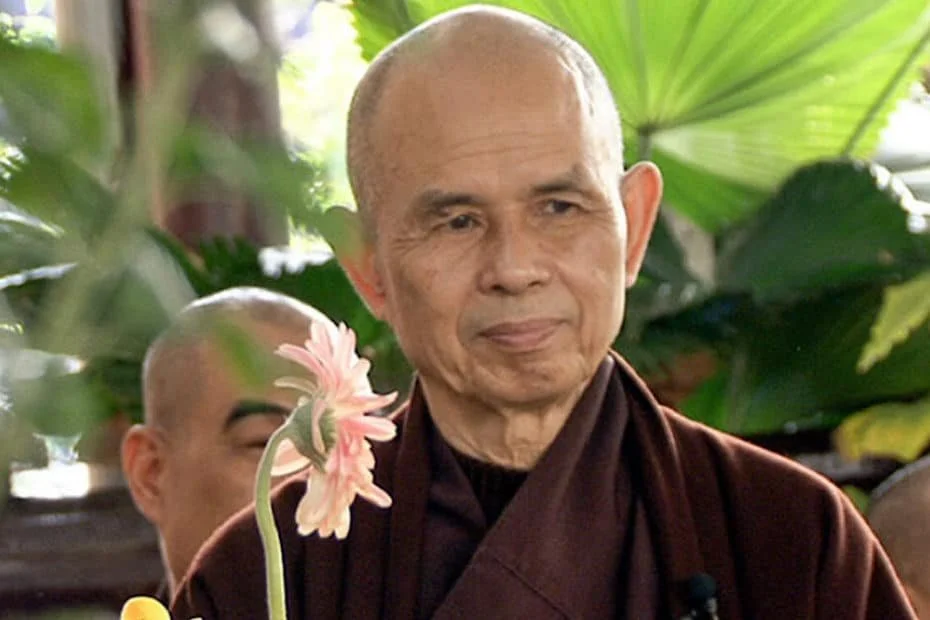
Walking Meditation: Thich Nhat Hanh

Murfee Labyrinth

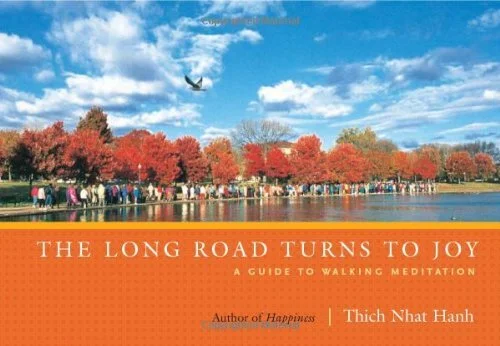
“People say walking on water is a miracle, but to me, walking peacefully on the earth is the real miracle. The Earth is a miracle; each step is a miracle. Taking steps on our beautiful planet can bring real happiness.

As you walk, be fully aware of your foot, the ground, and the connection between them, which is your conscious breathing.”Thich Nhat Hanh, The Long Road Turns To Joy, a Guide to Walking Meditation.

For many years, I would walk around the block in my neighborhood for twenty minutes before going to work at the hospital. The quiet walk calms the committee meeting in my head. Putting my feet on the earth, even the pavement of the street, appears to reconnect my head to my body as I become “grounded.” When I am outside, I always realize there is a world more significant than the one I live in.

There is a power greater than myself. I have trouble meditating by simply sitting, but some movements, such as walking, can lead me into that meditative journey. The Vietnamese Buddhist Thich Nhat Hanh is one of the most well-known meditative walkers. This pocket-sized book contains simple mindfulness exercises to think about as we walk.

Thich Nhat Hanh introduces us to several methods of following and listening to our breath as we walk. My pattern became to breathe in on the right foot and breathe out on the left. This was similar to walking the labyrinth and paying close attention to the path. In mindful walking, as I stayed with my breath, I saw no more rooms available for that committee to meet in my head.

Thich Nhat Hanh compared walking to eating, nourishing our bodies with each step. With each step, we massage the Earth. When the baby Buddha was born, he took seven steps, and a Lotus flower blossomed under each step. Thich Nhat Hanh suggests we imagine a flower blooming with each step.

We can also practice mindful walking anywhere, between meetings, in hospitals, at airports, and when walking to your car. The Buddhist monk also offers several poems to recite while walking: “I have arrived, I am home, in the here, in the now. I am solid. I am free. In the ultimate, I dwell.”

Joanna. joannaseibert.com


Loving Without Understanding

 Loving Without Understanding

“And so it is those we live with and should know who elude us, but we can still love them. We can love completely without complete understanding.”—Norman Maclean, A River Runs Through It (University of Chicago Press, 1976).

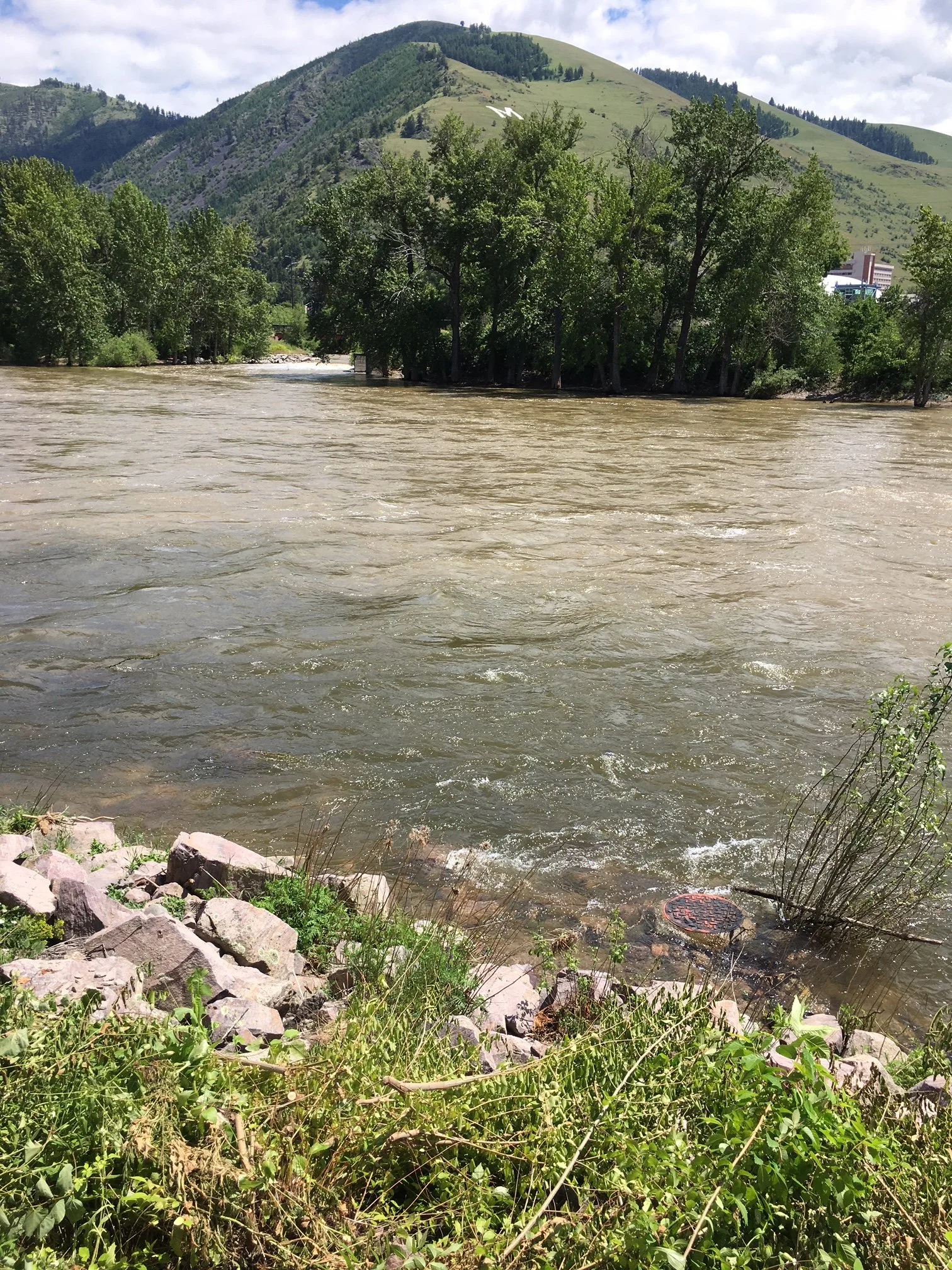
I remember being in Missoula, Montana, visiting our daughter, Joanna, and her husband, Dennis, with our oldest grandson, Mac, and his dad, John. Our hotel is directly on the banks of the Clark Fork, and the river is racing by our small porch on the first floor in real time.

We are mesmerized by watching the high-speed water, but the sound of the raging river enters our being and, indeed, runs through us. It calms. It soothes. In its orchestral movement, it is peaceful. It sounds like a wind instrument, perhaps a distant Native American flute. Sometimes, it has the “Om” sound chanted in yoga and Eastern meditation.

We begin to know the stillness of sitting or standing, and observe the wonder of something too magnificent for words as it rapidly passes by. We can become so relaxed that we fall asleep.   Water, moving or still, has healing powers we cannot understand.

I watched Robert Redford’s movie A River Runs Through It with all of our children and most of our grandchildren. We can often quote lines from the film and respond to them. Stop now if you have not read the book or seen the movie, because I will spoil it for you.

The story is about the Maclean family, a father and two sons, Norman and Paul, growing up fly-fishing in Missoula, Montana. The words quoted today are near the end of the movie, preached in one of the father’s last sermons.

I could almost hear Norman’s father when we rode by that same brick Presbyterian church yesterday on the way to get ice cream. The father indirectly talks about Norman’s younger brother, Paul, who died an early traumatic death related to his addictions.

As I watch and listen beside the Clark Fork, where the Macleans lived and loved a century ago, I also think of those I could not understand but wanted to love completely. Today, my prayers are to continue to try to hear these words from Norman’s father about them. Of course, there are also those I cannot understand and may never want to love, even a bit, much less completely. I pray to see them in a new light, seeing the Christ in them.  

Loving without understanding may be on the path to unconditional love, God’s love. It is also the balm to heal our differences. Om.

Joanna  https://www.joannaseibert.com/