Keeping Your Eye On the Sparrow this Holy Week

 Keep Your Eye On the Sparrow this Holy Week

"Are not two sparrows sold for a penny? Yet not one of them will fall to the ground apart from your Father. And even the hairs of your head are all counted. So, do not be afraid: you are of more value than many sparrows." —Matthew 10:29-31.
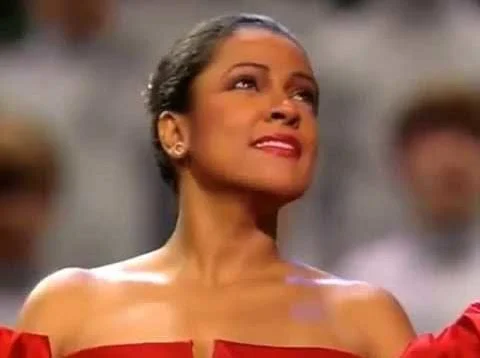
Kathleen Battle

On June 7, 2017, in an issue of The Christian Century titled “Thinking Critically, Living Faithfully,” Liddy Barlow, executive minister of Christian Associates of Southwest Pennsylvania, was the guest preacher discussing the sparrow text from Matthew. She mentions the lawyer Kenneth Feinberg, who chaired the September 11 Victim Compensation Fund, which distributed money to the families of those who died in the terrorist attack using a formula based on each victim's income and earning potential. The compensation ranged from $250,000 to $7.1 million. Feinberg struggles with this differentiation at the end of the process, as he listens to the stories of the victims and their families and wonders if one person is twenty-eight times more valuable than another.
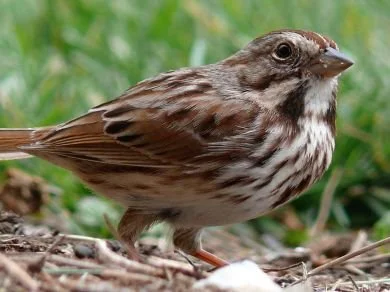
song sparrow

Barlow also reminds us of the Civilla Martin poem, "His Eye Is On The Sparrow," which became a gospel hymn offering comfort to the African-American Church in earlier centuries. We will never forget hearing Kathleen Battle sing this hymn a cappella at a concert with the National Symphony at the Kennedy Center. We sat in the front row, center, and she was right in front of us, just a foot away, in this striking dark red-wine velvet dress. Her soul was singing from somewhere deep inside her.

This, indeed, is a Scripture passage and a hymn about how valuable each of us is to God. People often come for spiritual direction when they do not feel valued by God. So when we talk, I wish I could sing this song like Kathleen Battle and tell them their worth.

Barlow concludes her message by telling us that Feinberg was once again consulted in 2007 by the president of Virginia Tech about distributing compensation to the families of those killed in that mass shooting. His 9/11 experience has changed Feinberg. He now believes in the equality of all life. Therefore, he recommends that all victims, students, and faculty receive the same compensation.

This is the story of how the God of our understanding works tirelessly to teach us the value of our neighbor. Our God desperately loves and values each one of us.

 Every morning, I am reminded of this as I watch the white-crowned house sparrows come to the feeder outside my window above my desk.

When fear fills my heart, the sparrows outside my window comfort me.


I still hear Kathleen Battle singing "His Eye Is On The Sparrow/And I Know He's Watching Over You and Me." 
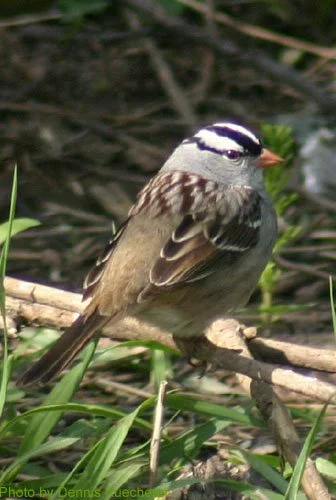
White Crowned Sparrow

I often sing this hymn throughout the day, especially during Holy Week. These are seven special days to reflect on the depth of God's love for each of us. 

Joanna. joannaseibert.com. https://www.joannaseibert.com/


Which Participant Are We in Holy Week

Re-living the Passion

“I saw the spot Our Lady met thee, carrying thy cross. She swooned and fell. I saw where thou didst wash the dusty feet of those who, when the soldiers came to haul thee off to death, took to their well-washed heels. With a candle in my hand, I climbed the hill on which they nailed thee to a tree, thy tender flesh so rent and torn it was more full of wounds than ever was a dovehouse full of holes. In a round-shaped church of stone where knights kept vigil, I saw thy Holy Sepulchre itself, the very shelf they set thy body on.”—Frederick Buechner in Godric.

St. Mark’s Little Rock

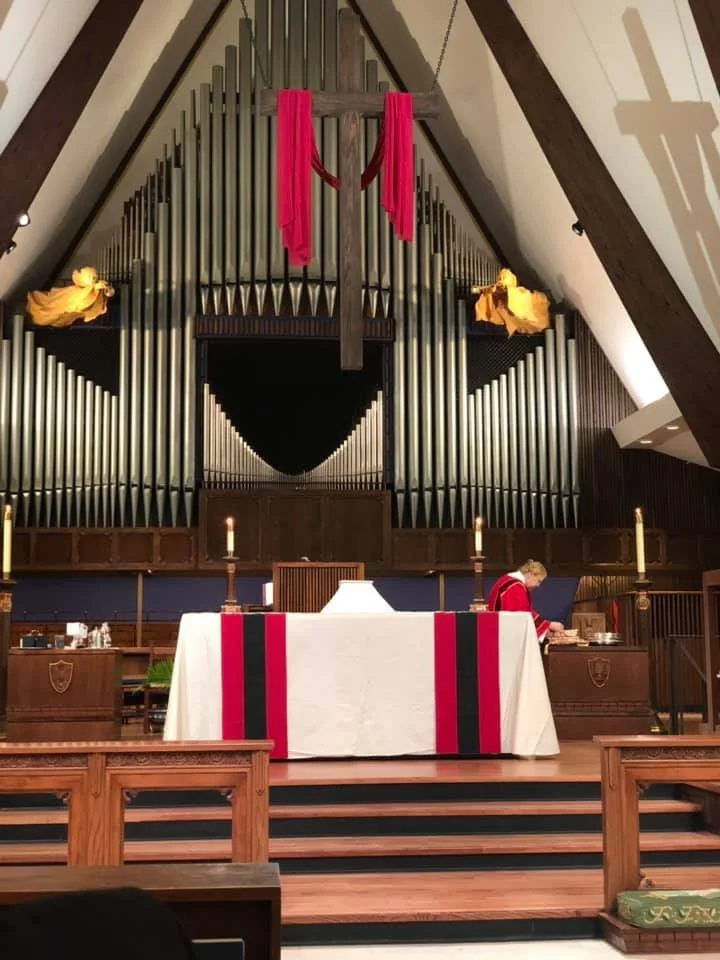
We are approaching one of the most sacred times in the Christian calendar, called Holy Week. To prepare for this period, our tradition recommends the sacrament of penance and reconciliation. Today, I share a rough draft of my confession about the highs and lows of my relationship with God, viewed through the lens of the Stations of the Cross.

St. Mary’s Cathedral Memphis

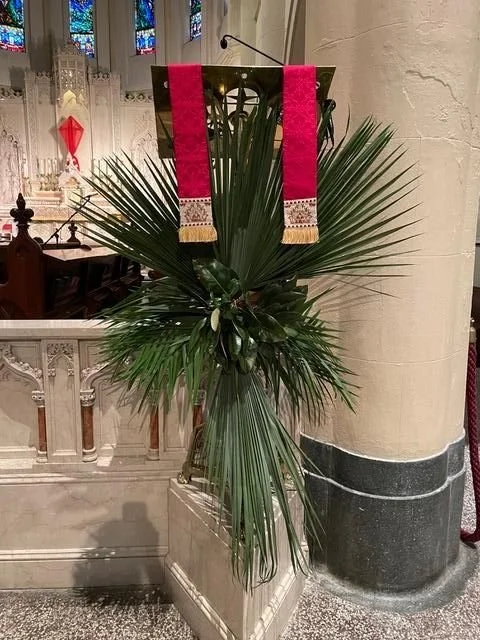
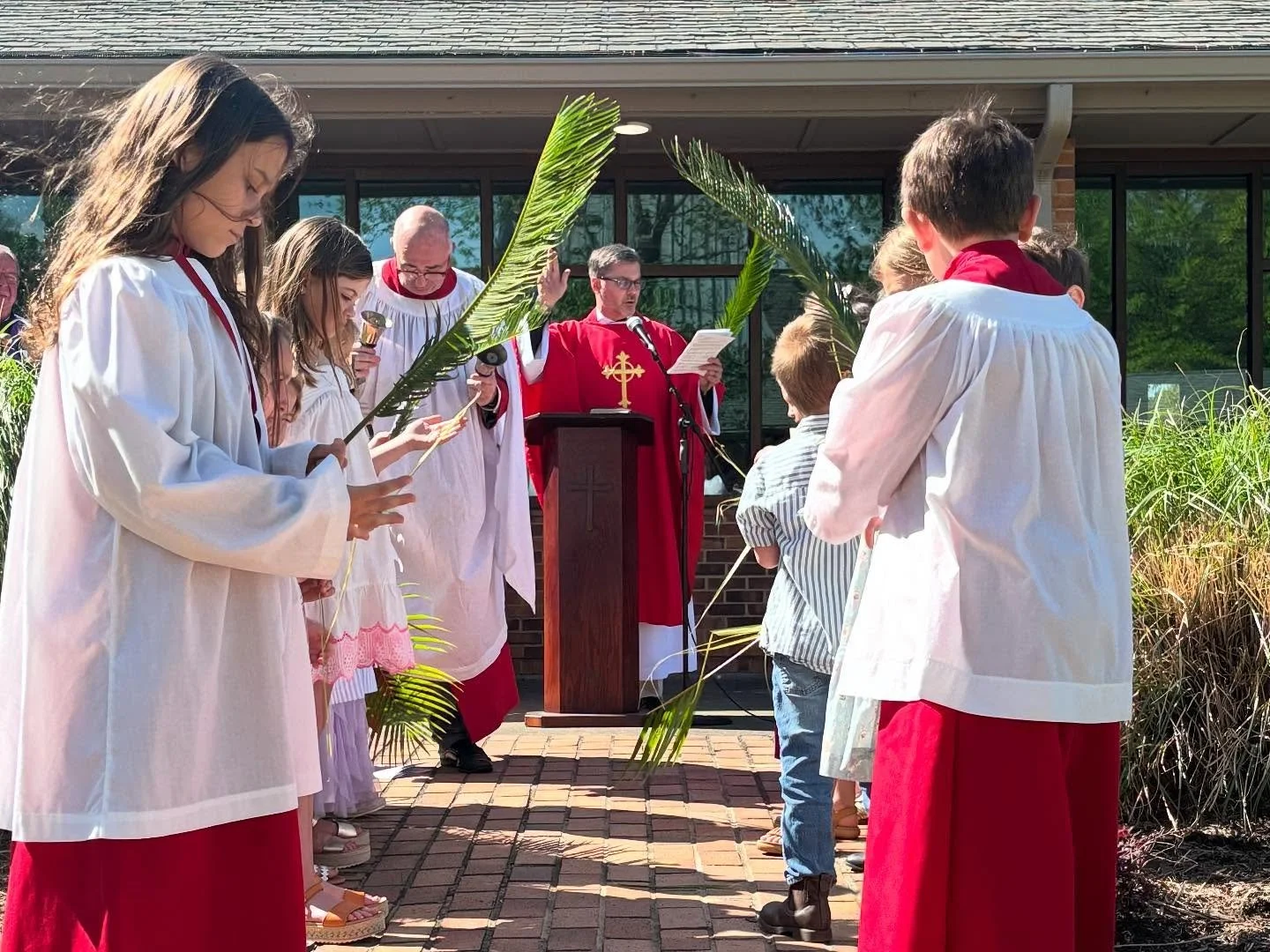
Today, on Palm Sunday, we walk, and we read the Passion Gospel in Matthew; on Good Friday, we will hear the Passion Gospel in John.

I see myself as one of the many characters in this incredible story across all the gospel accounts. Join me and see if you have a role to play as well. I’ve been Judas, betraying Jesus for politics and money. Yet, at the same time, I’ve had the privilege of preparing Christ’s supper for over twenty-five years. Jesus has washed my feet.

I have sung hymns with him on the way to the mountaintops. I have publicly declared Jesus as my God in front of large crowds. I have prayed with Christ and fallen asleep, either literally or by losing awareness of the present moment. I have figuratively cut off ears defending him in my zeal. 

I have been Nicodemus, secretly visiting him at night and speaking up for him in a way that kept me safe. I have given false testimony against him by turning my plan into his plan. I have been Peter and denied my God more than three times. I have spat on him and mocked him through my actions. 

I have been Pilate’s wife, receiving dreams telling me God is among us.

 I have been Pilate and washed my hands of situations when I should have spoken out for what I knew in my heart was wrong.

I have been Barabbas, the freed criminal, and did not have to face the consequences of my sins. I have been privileged to see the face of God in many others who are in pain. I have perhaps been Simon of Cyrene, carrying another’s cross for a brief time. I have been among the women who followed Jesus from Galilee, helplessly watching his crucifixion from a distance. I have been the thief on the cross, crying out for God’s mercy in my distress. I have also been the other thief on the cross, still trying to tell God what He should do to ease my pain. 

I have been the centurion at Jesus’ death, finally recognizing God in the lives of so many, only after they have died. I have been Joseph of Arimathea, and found a resting place for Jesus.

I have been one of the women with spices at the empty tomb, still searching for God. I have been Mary Magdalene in the garden, looking for God without recognizing Him. 

This is an invitation to walk this Holy Week journey again together. I hear there is a surprise ending.

We will never forget the Holy Weeks of previous years. This week, we have another opportunity to walk with God and many others like never before. We pray for those injured in Arkansas, especially during the tornadoes that occurred in recent Holy Weeks.

Joanna. joannaseibert.com   https://www.joannaseibert.com/


Love is the Key to Healing

Love in the Key to Healing

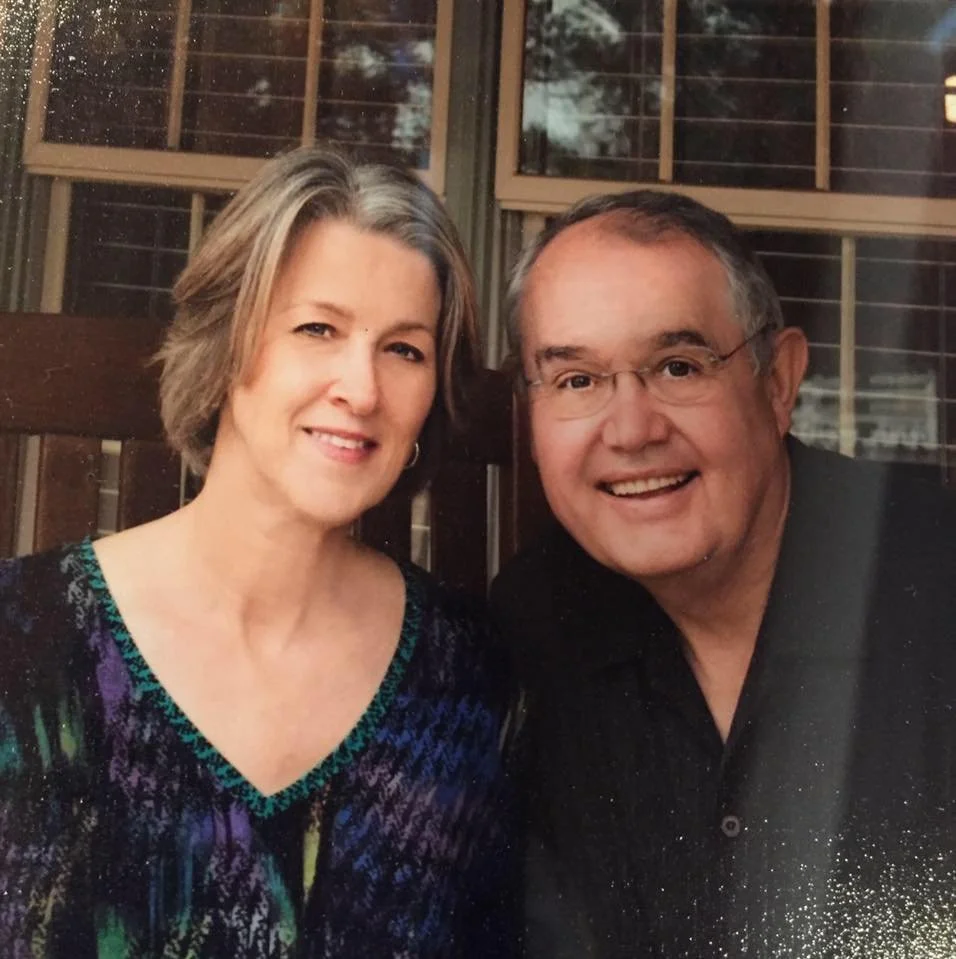
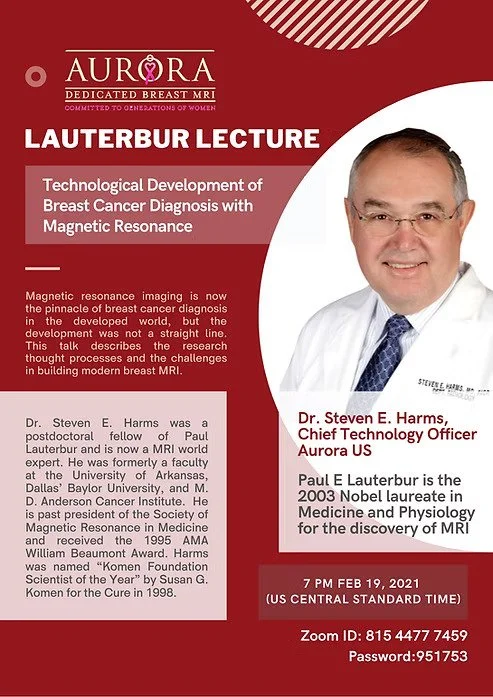
Guest writers Sally and Steve Harms

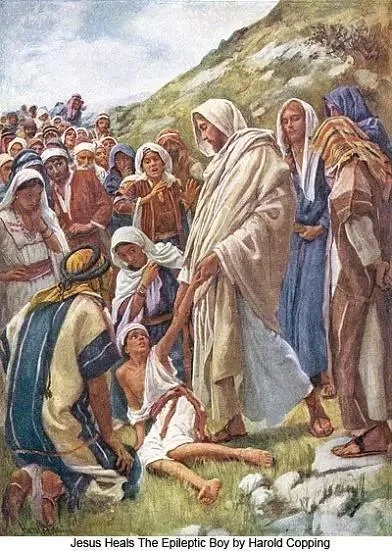
Someone from the crowd answered him, “Teacher, I brought you my son; he has a spirit that makes him unable to speak; and whenever it seizes him, it dashes him down; and he foams and grinds his teeth and becomes rigid; and I asked your disciples to cast it out, but they could not do so.” He answered them, “You faithless generation, how much longer must I be among you? How much longer must I put up with you? Bring him to me.”—Mark 9:17-19

This recent lesson from Mark in the Daily Lectionary recounts the miraculous healing of a demon-possessed boy (Mark 9:14–29). While the passage vividly describes the boy’s dire condition, it does not specify whether the boy or his father was entitled to Jesus’s attention. Healing was not just an incidental part of Jesus’s ministry; it was one of its main features. Although the disciples had previously been involved in healing, they failed in this particular case (Mark 9:18). It’s important to note that they tried despite their lack of ability.

The boy’s father approached Jesus with a conditional request: “If you can…” Jesus responded, “What do you mean, ‘If you can’? Anything is possible for one who believes” (Mark 9:23). This does not mean we automatically receive whatever we want. Instead, it highlights that nothing is beyond God’s power.

The father then offered one of the most heartfelt prayers in Scripture: “I believe; help my unbelief” (Mark 9:24). Faith and doubt are not mutually exclusive; they exist together within us. The father brings his imperfect and trembling faith to Christ, and Christ responds. Jesus does not require perfect faith to heal the boy.

The Christian journey is marked by a continual ebb and flow between moments of victory and struggles. Illness is one of the valleys we all eventually face. Christianity is not a way to escape our imperfections; instead, it embraces and meets us in them. Prayer becomes more than just a ritual — it turns into a lifeline that sustains us.

In the Book of Exodus, after years of slavery, the Israelites cried out to God. Scripture states that God “was concerned about them” (Exodus 2:25). However, instead of offering immediate comfort, God’s response was to call upon a hesitant Moses to help deliver them from slavery. The Bible is full of examples where God provides the tools for ordinary yet imperfect people to accomplish extraordinary things. Prayer gives us the strength to keep trying despite the odds (Psalm 33, 108, 109).

In 1 Corinthians 13, Paul teaches us what ultimately endures: “Faith, hope, and love—and the greatest of these is love.” Love is not just an emotion; it is a transformed character. It includes patience with difficult people, kindness without expecting anything in return, and humility without seeking recognition. Love reflects God's very nature and is the tool He gives us to accomplish great things.

Health is essential to human flourishing, yet it is fragile. Throughout history, Christians have seen healthcare as an act of love in action. In the early and mid-20th century, religious groups were the main providers of hospital care in many communities, especially for immigrants and those in need. Although government involvement has grown and systems have merged, about one in five U.S. hospitals still have a religious affiliation. Still, there are significant gaps in care and chances to show love for others. Working to restore health to many has been an honor, but we found that the most meaningful actions by medical staff are often those for which they are not paid. It’s vital to find opportunities to meet individual needs beyond just medical treatment.

I remember a young woman who came in with a breast mass that turned out to be a very aggressive cancer. When I looked into her eyes, I didn’t see an immigrant who had only recently arrived in the country, lacking resources and unable to speak the language. Instead, I saw someone like my own daughter, who, instead of building her future, would be fighting for her life. The issue was the need itself, not whether she was entitled to care. The real obstacle was a system built to block her access at every turn to the care she so desperately needed. Love, hope, and the kindness of colleagues and the community united to do what seemed impossible: providing her complete treatment, including a targeted, lifesaving drug that many Western countries prohibit because of its high cost. 

Healing, prayer, and love are interconnected. Jesus heals not only to restore bodies but also to reveal the heart of God. Prayer teaches us dependence, while love imbues healing with its true meaning.

In our valleys—whether they be illness, doubt, or failure—we can pray like the father in today’s readings: “I believe; help my unbelief.” And in receiving grace, we are called to extend it—through love that heals in whatever way God allows.

From Mourning Reflections from St Paul’s Episcopal Church, Saturday, March 21, 2026

Please join us in praying for our daughter, her husband, and their family. They are giving up some of the daily comforts we take for granted to share God’s healing love in Central Asia with some of the poorest and most oppressed people in the world. Please pray for their patients who are struggling following the loss of USAID funding.

Steve and Sally Harms

Joanna seibert.org