May You Live Long Enough To:

Ricoeur and Anonymous: May You Live Long Enough To:

Guest Writer: Isabel Anders

“I find myself only by losing myself.”—Paul Ricoeur.

“It is always possible to argue against an interpretation, to confront interpretations, to arbitrate among them, and to seek agreement, even if that agreement remains beyond our reach.”—Paul Ricoeur.
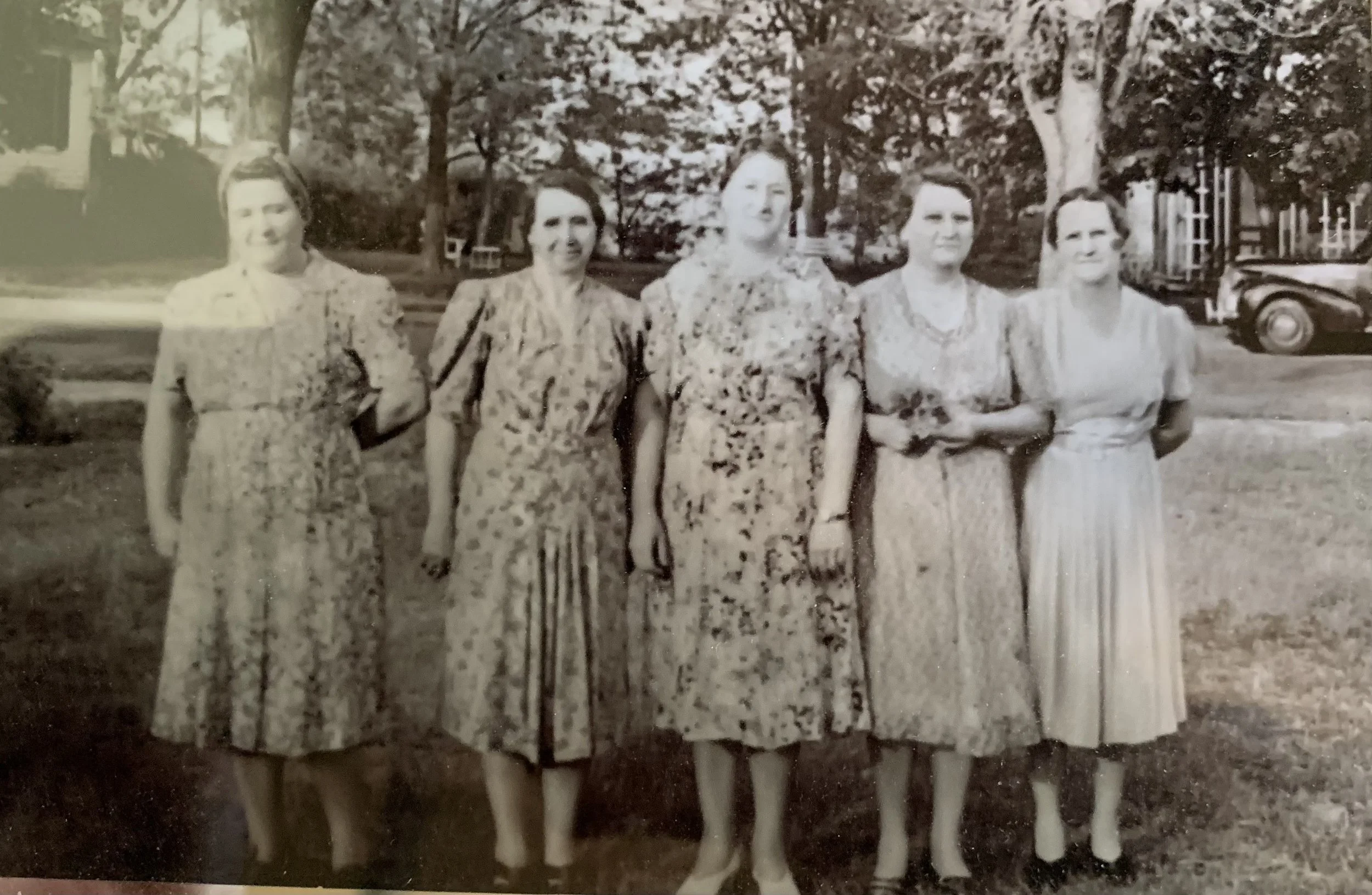
Grandmother Whaley and Her Sisters Who Laughed and Cried and Loved

May you live long enough …

To be able to laugh at your most embarrassing moments in the past—sportingly owning the temporary title of “dunce”—before passing it on to the next clown in this dance of win-and-lose, hit-and-miss called “life.”

To side with your former adversaries, if only for a moment—to accept that in certain past disagreements or outright conflicts that have shaped your past: “The other person had a point.”

To realize that even your greatest “triumphs” owe much to outside influences: others’ kind and diligent contributions, the convergence of circumstances, and “sparks” of grace flung from afar that happened to hit you at the moment.

To experience prayer as the automatic breathing of petitions for others’ good—urgently present in your heart before your own needs or requests enter your awareness.

To meet someone whose efforts or example—in any category—put you to “shame,” and to feel the joy that such understanding, expertise, or goodness exists in the world, even without receiving any specific personal gain from it.

To recognize that your “defeats,” by the world’s judgment, were blessings in disguise, checks and balances in the larger arc of your journey toward maturity and self-acceptance.

To feel genuinely sad for people who seemed unfair and cruel to you for no apparent reason, and to lament the conditions that must have made them that way—even when their cruelty caused you genuine pain.

To let go of any idea that we might be able to judge who is worthy or unworthy of anything that comes to them in this life or in the life to come.

“We look not at what can be seen, but at what cannot be seen; for what can be seen is temporary, but what cannot be seen is eternal.”—2 Corinthians 4:18.

“We also boast in our sufferings, knowing that suffering produces endurance, endurance produces character, and character produces hope. Hope does not disappoint us because God’s love has been poured into our hearts. …”—Romans 5:3-5.

Isabel Anders

Author of Circle of Days: A Church Year Primer--Years B and C: A Celebration of the Major Themes and Texts of the Church Year

Year A is out as well!

Joanna   https://www.joannaseibert.com/
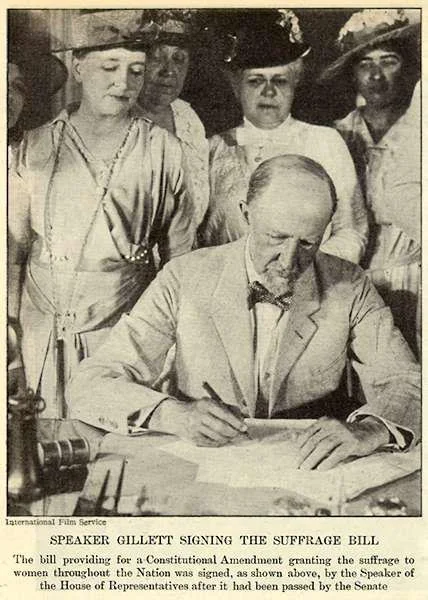


Ratification of Women's Right to Vote

Women’s Right to Vote and Notable Women

Ratification of the vote for women

On August 20, 1920, the 19th Amendment to the Constitution was ratified, giving women the right to vote. There had been strong opposition to women’s suffrage since before the Constitution was drafted. Men and sometimes women believed that women should not vote or hold office because they needed to be protected from the sordid world of politics. Abigail Adams asked her husband, John, to “remember the ladies and be more generous and favorable to them than your ancestors,” but to no avail.

A more organized women’s suffrage movement arose in the 19th century, hand in hand with the abolitionist movement. In July 1848, Elizabeth Cady Stanton and Lucretia Mott organized a women’s rights convention in Seneca Falls, New York. Stanton drafted a Declaration of Sentiments, modeled after the Declaration of Independence, demanding that women have an equal say in their government if they were to be bound by its laws. Attendees — women and men — signed the Declaration of Sentiments to show their support, although some later asked that their names be removed when they faced media backlash.

In the latter half of the 19th century, states gradually loosened restrictions on women's voting rights. Wyoming was the first state to grant women the full right to vote, when it gained statehood in 1890. The first national constitutional amendment was proposed in Congress in 1878 and in every subsequent session.

Finally, in 1919, it narrowly passed both houses of Congress and was sent to the states for ratification.

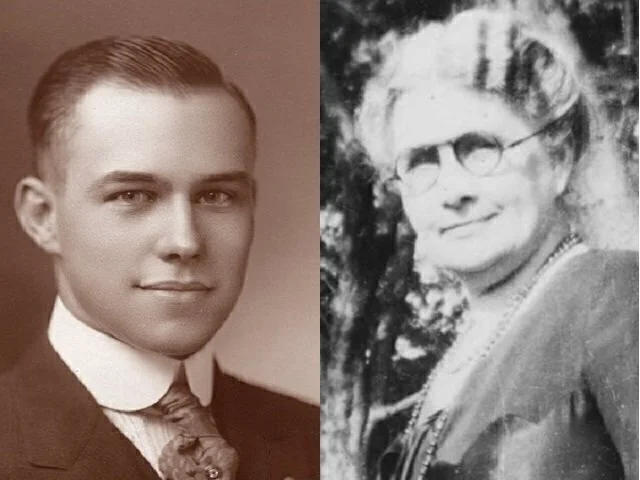
Most Southern states opposed the amendment, and it came down to Tennessee on August 18, 1920. The pro-amendment faction wore yellow roses on their lapels, while the “anti” coalition wore red American Beauty roses. It was a close battle, and the state legislature was tied 48 to 48. The decision came down to one vote: that of 24-year-old Harry Burn, the youngest state legislator. Proudly wearing a red rose, he cast his vote ... in favor of ratification. He had been expected to vote against it, but he had a note from his mother, Febb Burns, in his pocket.  

Harry and Febb Burns

“Dear Son: Hurrah, and vote for suffrage! Don’t keep them in doubt. I noticed some of the speeches against it. They were bitter. I have been watching to see how you stood, but have not noticed anything yet. Don’t forget to be a good boy and help. Your Mother.” Burn responded to attacks on his integrity by inserting a personal statement into the House Journal, explaining his decision to vote, “I knew that a mother’s advice is always safest for a boy to follow, and my mother wanted me to vote for ratification.”

On November 2, more than 8 million women voted for the first time.

Joanna  joannaseibert.com


New Day, New Beginings, Milestones, Synchronicity

New Day, New Beginings, Milestones, Synchronicity

“Waking up this morning, I smile.
Twenty-four brand-new hours lie before me.
I vow to live fully in each moment
and to look at all beings with eyes of compassion.”
Thich Nhat Hanh, The Heart of the Buddha’s Teaching (Broadway Books, 1998), p. 102.

Richard Rohr compares Christians and Buddhists in his daily email. “Christians are usually talking about metaphysics (‘what is’), and Buddhists are usually talking about epistemology (‘how do we know what is’). In that sense, they offer great gifts to one another.” 1

Buddhist monk Thich Nhat Hanh’s writings often speak to me. What a marvelous idea to wake up in the morning and say, “We have twenty-four brand-new hours before us. I don’t want to waste a second, a minute, or an hour. It is a new day.” However, I soon realize I have spent an hour on social media.

Graduations are milestones marking the beginning of a new day, a new era.

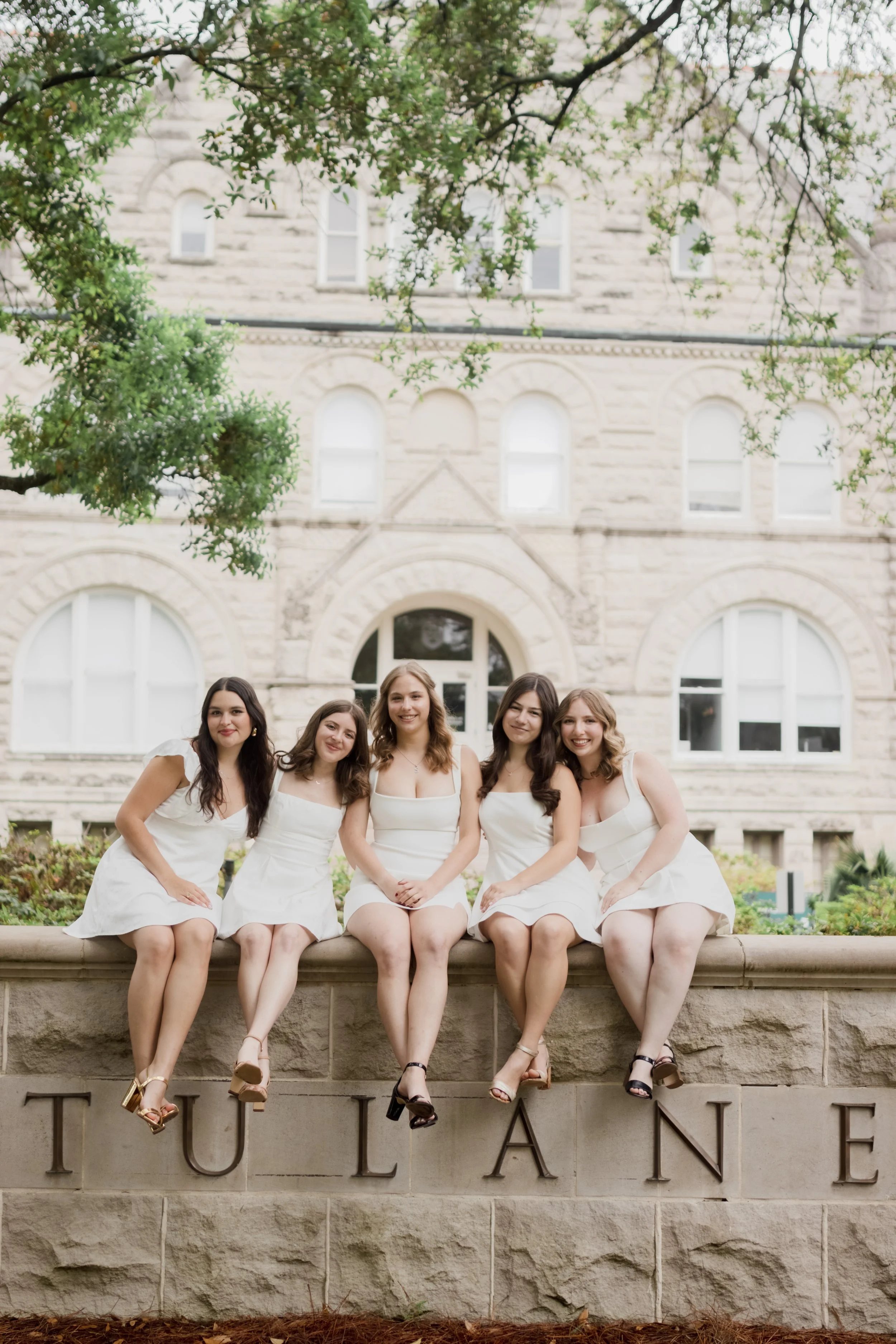
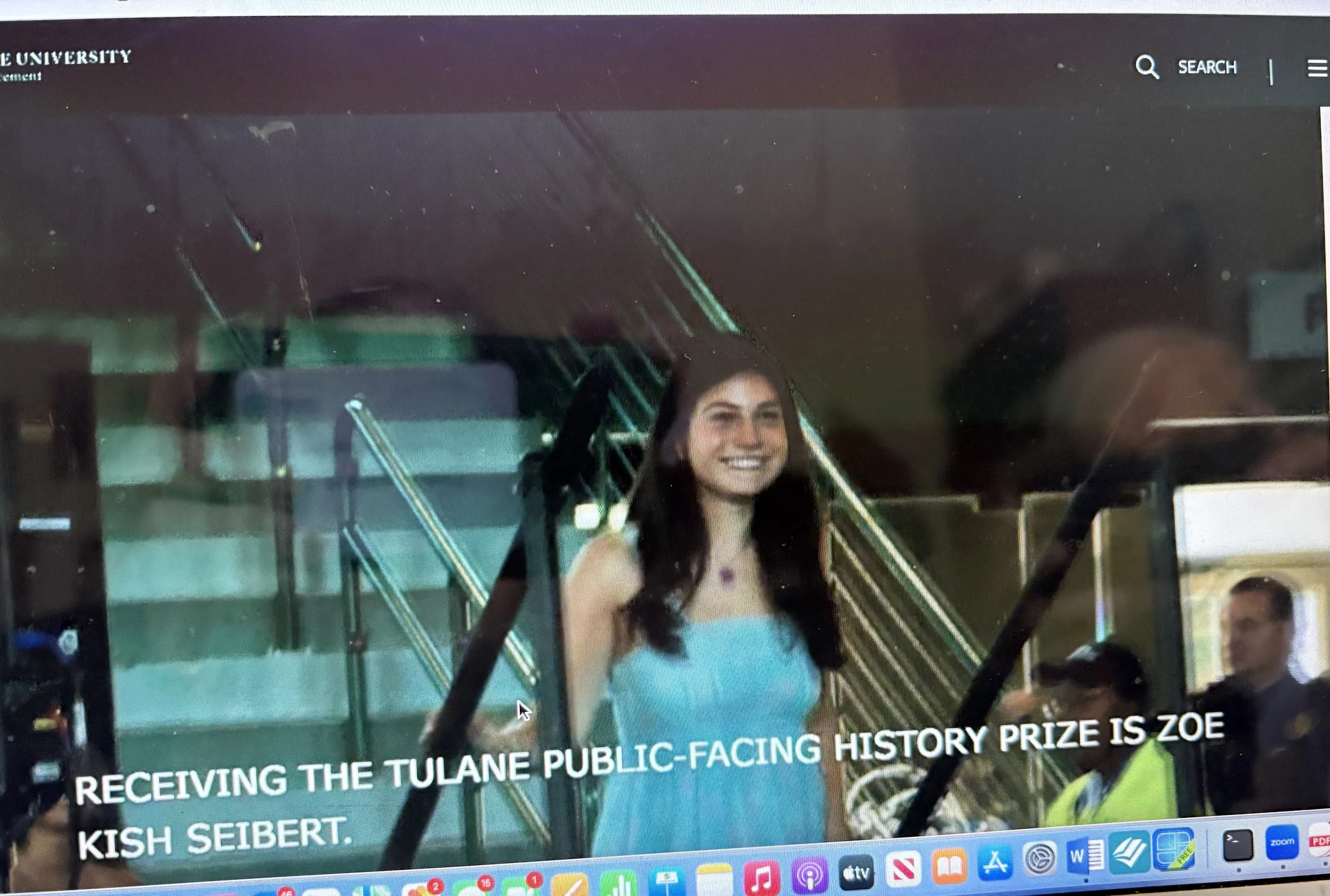
This year, Zoe graduated from Tulane, and Mac will graduate from Liverpool. They are both beginning a new day. 

But we can also experience a new day every day.

Yesterday is past. We reviewed what we had done and what we had left undone the night before, and we prayed for God to forgive us for our wrongdoing, also called sins. We remembered where we found joy, often where we least expected it. We recalled where we found love. We remembered the day’s experiences in which we saw God working in our lives.

This is an extra day, a new beginning. Another chance to love, to forgive. One more chance to let others know we love them. Each morning my husband and I give thanks for one more day together.

We can no longer regret the past. If we have harmed others, we will make amends where we can, but today we are offered a fresh start. We hope we have learned from the past. We will not keep doing the same thing every day and expect different results. Instead, we will look for synchronicity, moments, or serendipity in which we make connections and see how events are related.

One morning, I write about the Eucharist, and later someone, unaware of my earlier thoughts, confides in me how important the Eucharist is in their life. We receive a message from a friend we have been thinking about that day. We think about someone else we haven't seen in a while. Later, that person calls. We comment that what we shared was exactly what we both needed that day. That is synchronicity. These are God connections, constantly around us each new day.

1 Richard Rohr, Center for Action and Contemplation, Meditation: Mindfulness, cac.org, August 24, 2018.

Joanna. https://www.joannaseibert.com/