Resentment
“Resentment is like drinking poison and waiting for the other person to die.”—Attributed to St. Augustine and many others.
I have had a lot of experience with resentments in my own life. In addition, so many people come for spiritual direction because of grievances about harm done to them by others. These resentments block us from a relationship with God as we obsess about what this person has done to us, thinking about this injustice more and more. The person or the event becomes our higher power, our God. There is no room for a relationship with God because our existence centers on the harm done to us and how to harm those who hurt us. When I can calm down and realize this person has taken over my thoughts and become my God, I slowly begin a path to forgiveness. I don’t want this person or situation to be my higher power, to take up so much space in my limited life.
The first step is to pray daily for that person. Praying does not change the person who harmed us, but praying can change us.
One other helpful observation. We do not have far to look to see others whose resentment for the wounding done to them has taken over their existence. Some try to hide it. Others openly live a life of resentment. It changes who they are. Anger, bitterness, and self-centeredness live there. They become victims. Wholeness is excluded. Some become almost paralyzed by resentment and cannot deal with life on life’s terms. They soon begin to resent others who do not appreciate the injury they have suffered. Addictions creep in as temporary, harmful solutions to the increasing pain that resentment brings. That person who harmed them is still hurting them. It is a miserable, isolated life, an icon of who or what we do not want to be.
Forgiveness is our only option if we want a relationship with God and a relationship with others.
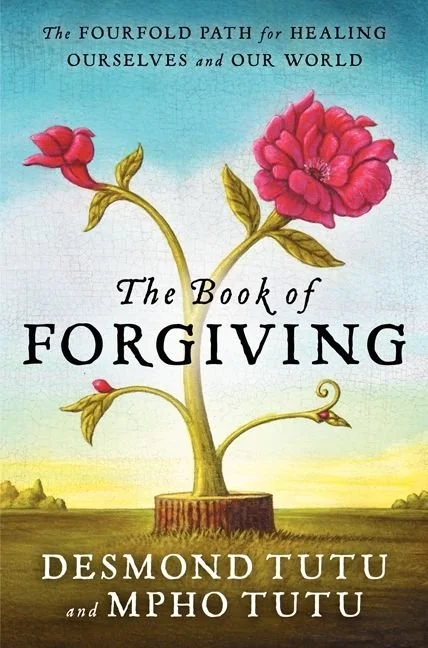
I share one of my favorite books on forgiveness.
Joanna joannaseibert.com