The Art of Pilgrimage
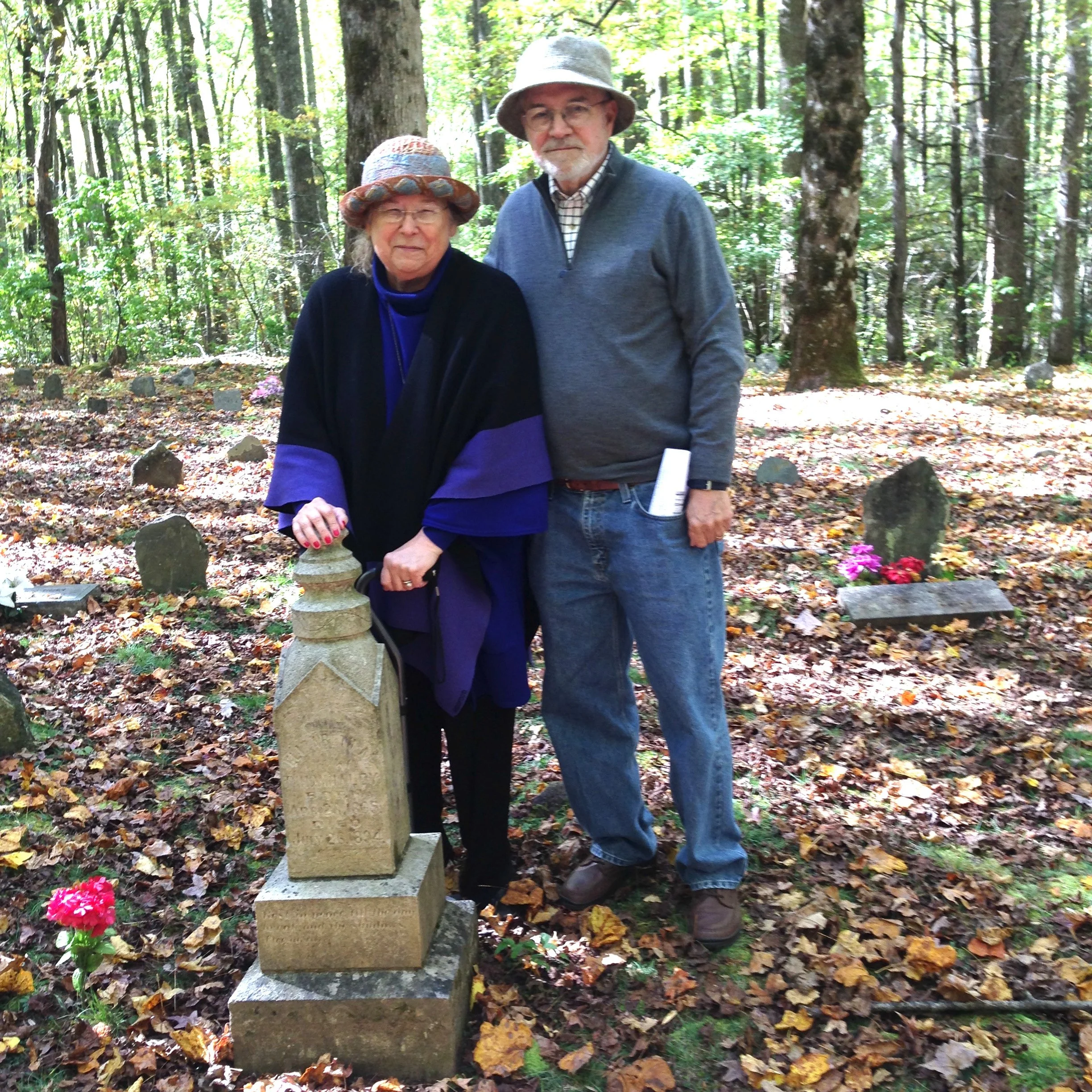
visit to my great grandmother’s grave in the middle of Smokey Mountain National Park
“We shall not cease from exploration
And the end of all our exploring
Will be to arrive where we started
And know the place for the first time.”—T. S. Eliot, Little Gidding.
Whenever I prepare for a trip and hope to make it a pilgrimage, I repeatedly return to Phil Cousineau’s The Art of Pilgrimage: The Seeker’s Guide to Making Travel Sacred.
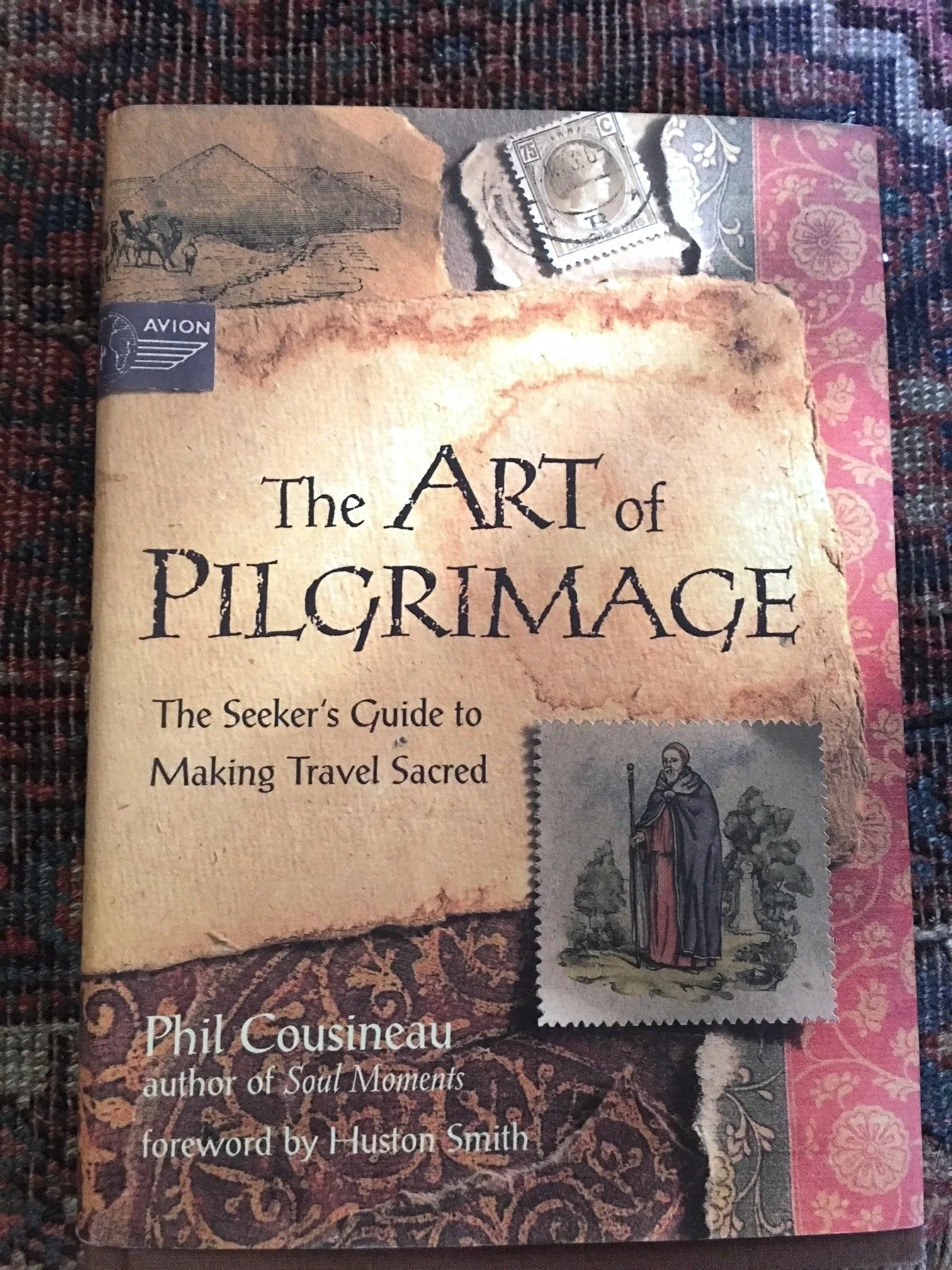
Cousineau’s family often traveled during his childhood. He recounts that his father considered travel beneficial for the mind, while his mother felt it was good for the soul. Cousineau reminds us that a traveler visits a place, whereas a pilgrim allows a place to become part of one’s inner self. As travelers, we often plan trips and then feel a sense of unfulfilled expectation upon reaching our destination. This disappointment stems from how we engage with the place, not from any shortcomings in the site itself.
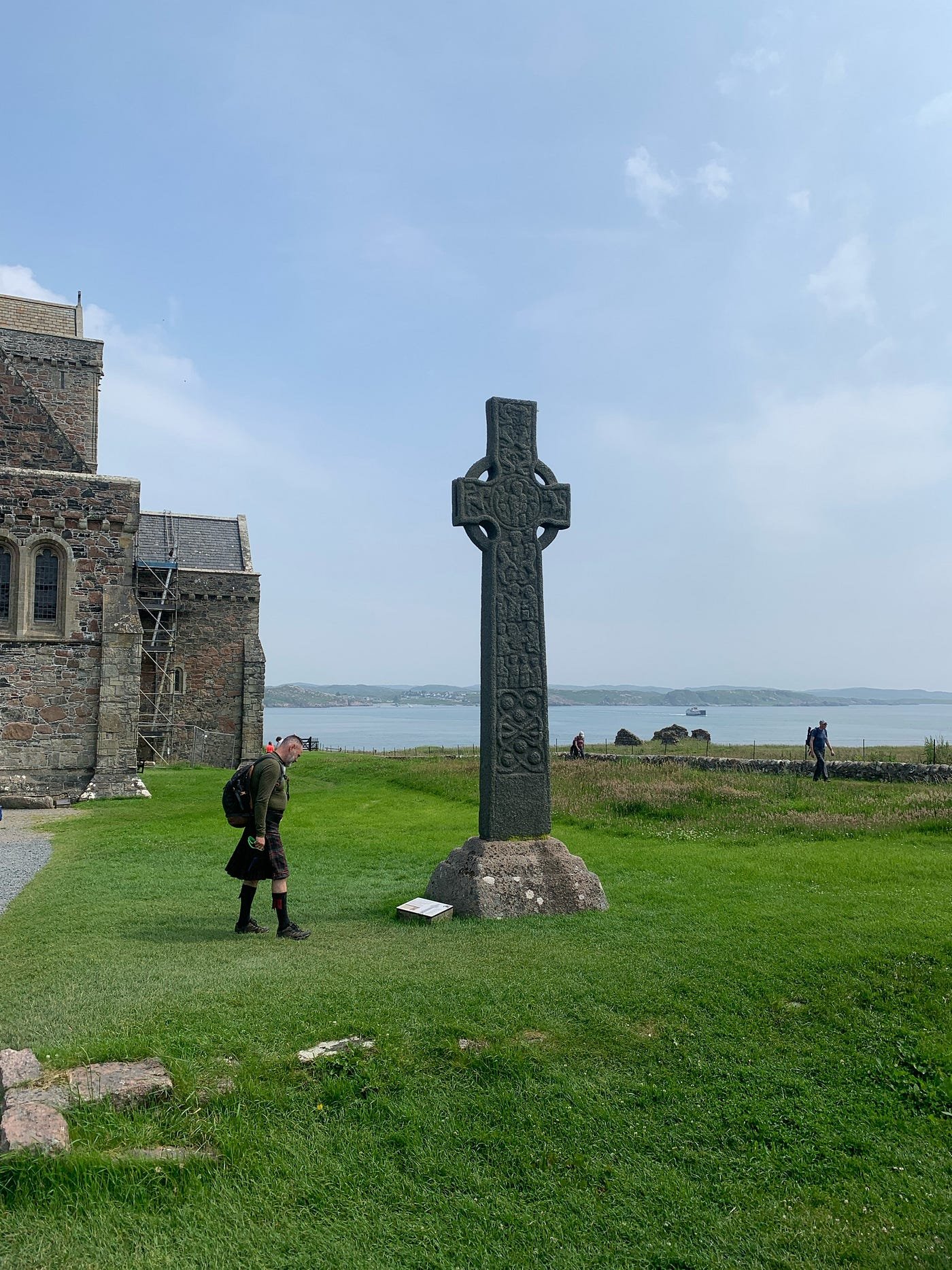
Iona
The Celts would tell us to imagine the moment of our departure as the crossing of a threshold, like a door.
Cousineau also invites us to imagine our first memorable journey. What images rise in our soul? They may include a childhood trip to the family gravesite, a visit to relatives who live on a farm, or an outing to a religious site with our favorite aunt.
Do these feelings have any connection to our lives today? The author asks us whether there are places that are sacred to our family and to us, which we long to visit. He suggests that as we uncover what we long for, we will discover who we are.
Cousineau reminds us that we will reconnect with our soul, the part of God within us, by learning to be aware and to listen to our surroundings. On a pilgrimage, we are to look—not overlook—and listen intently to everything around us. We can practice by listening to music in solitude to reestablish the habit of attending to our surroundings. Keeping a journal may help us look more closely as we seek to describe what we see.
An old Nigerian saying is “the day on which one starts out is not the time to start one’s preparation.” So we are to begin the Sacred Journey with our journal. He encourages us to set aside a silent, “alone” part of our day to write in our journal during our pilgrimage. Our journal can help us relive our pilgrimage, and we can also relive the journey by bringing back pictures, stones, or shells, as Anne Morrow Lindbergh writes about in Gift from the Sea.
We also need to plan ahead for how we will re-energize ourselves each day. It is essential to be open to serendipity, coincidences, and even distractions that may take us off our planned path. I remember spending time at the College of Preachers at the National Cathedral. I was walking near the entrance when a group of elementary students, about ten years old, hurried in. They interrupted my silent meditation. I vividly remember one young boy tilting his head back, staring up at the high-vaulted ceiling, and immediately shouting, “Wow!!” To this day, I can still see and hear that young prophet.
Joanna. Joannaseibert.com