Gould: Kindness
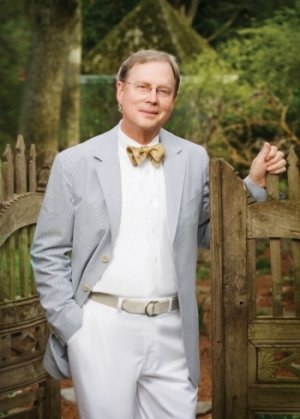
“Good and kind people outnumber all others by thousands to one. The tragedy of human history lies in the enormous destructive potential of rare acts of evil, not in the high frequency of evil people. Complex systems can only be built step by step, whereas destruction requires but an instant. Thus, in what I like to call the Great Asymmetry, every spectacular incident of evil will be balanced by 10,000 acts of kindness, too often unnoticed and invisible as the ‘ordinary’ efforts of a vast majority.”—Stephen Jay Gould in The New York Times (9/26/2001).
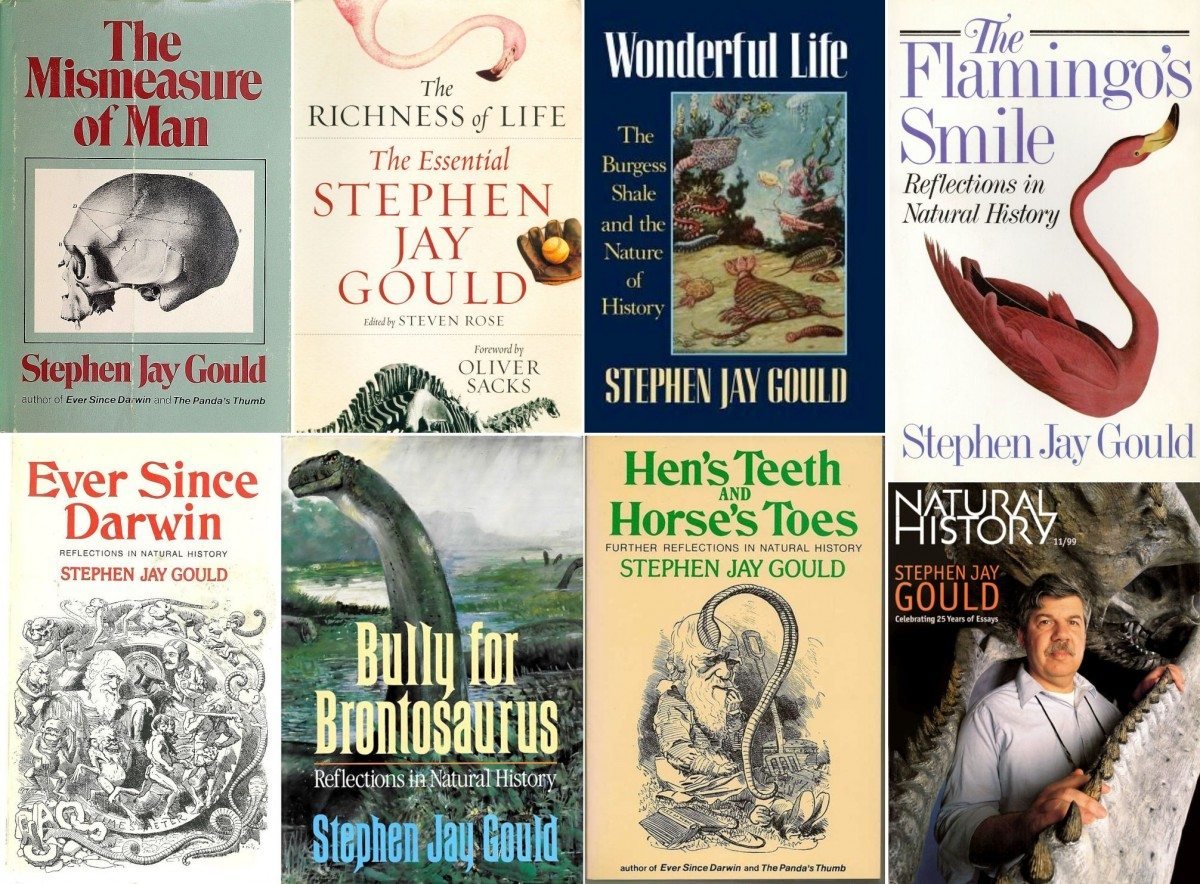
A longtime friend, Dr. Steve Thomason, Dean of St. Mark’s Cathedral in Seattle, sent out this nearly twenty-five-year-old Gould quote some time ago for all of us to consider. Humans seem unable to avoid being dualistic, viewing life as a well-balanced struggle between good and evil. It is difficult not to think about how evil, failure, and missing the mark have greater power over us in our lives.
We received all “As” except for one “B” on our report card. We agonize, and all we can remember is that “B.” We recall only the one line we missed in our class play, while discounting the brilliant lines we delivered. We obsess over rejection letters rather than celebrating our college acceptance or recent job promotion. Most physicians think daily about their missed diagnoses and forget the thousands they made correctly. We forgot to visit our friend the week or day before she died, but in our grief, we discount all the hundreds of other visits we made during her illness.
The morning, noon, evening, and late-night news can feel overwhelming when we hear about human tragedies, deaths, and violence. Perhaps on a good day there is one last thirty-second segment about someone’s kindness.
Gould, an evolutionary biologist and historian of science, contends that the forces in the world are not evenly balanced and that reality is overwhelmingly composed of kindness, not evil. Gould believes the problem is that these acts of kindness are so small that they go unnoticed. By contrast, evil and failure stop us in our tracks, immediately capture our attention, and blind us with their glaring presence.
How can we put on a new pair of glasses and start seeing the world differently? That is the path to even more obvious acts of kindness. It starts with a simple step called gratitude. I have many friends who survive unbelievable tragedies by making and reciting a gratitude list each day, most often at night before they go to sleep. I have spiritual friends who even send me their daily gratitude lists. Their actions encourage me to do the same.
Gould challenges us to remember the kind acts we often overlook, especially when we feel overwhelmed by an evil act and begin to believe that darkness has overtaken our world.
When I think of kindness, I remember our friend Reed, who died much too soon but left behind so many acts of kindness that continue to live on in this world.
Joanna https://www.joannaseibert.com/