Charleston: Recovery and Compassion
“Those who have been broken, in mind, body, or spirit, who have been humbled and hurt, but have made their way back, held on and kept going, sought forgiveness and found redemption, discovered a healing they never expected. To all those who understand this experience without the need for further words, I offer this recognition: you are the sisters and brothers of compassion, the ones who know what it feels like, the ones who are witnesses to life reclaimed. Be blessed in your recovery, for each one of you is a source of faith for so many, who see in you the answer to a prayer they ask for themselves.” —Steven Charleston, Facebook Meditation.
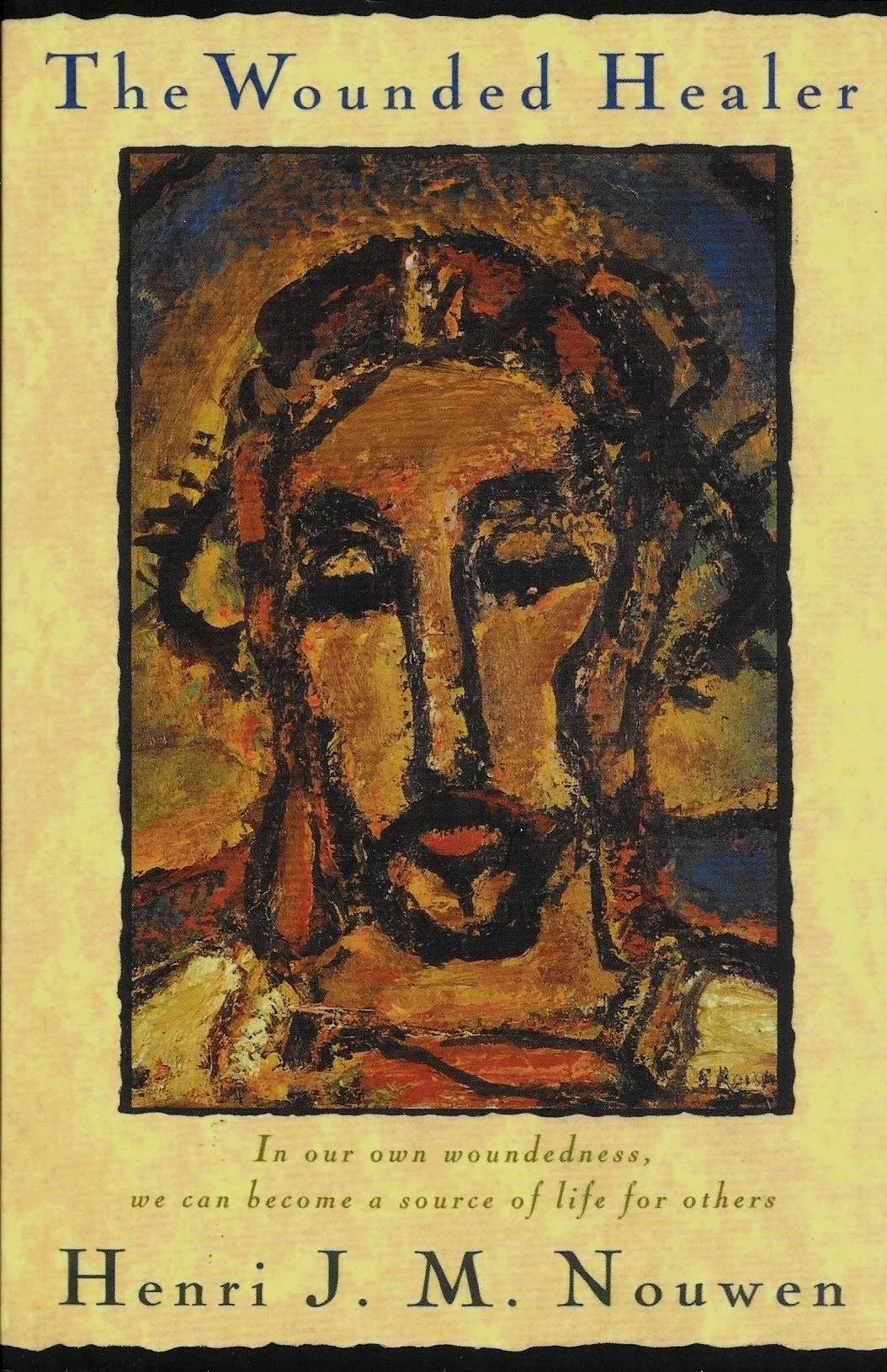
So many spiritual writers continue to tell us this truth, as does our own experience. We become healers of the suffering in this world because we also know the face and body of internal and external injury. This is the continual story of how Easter can follow Good Friday. Once we have experienced suffering, we can learn about and experience compassion, compassion shown to us by others who also know about wounds, as they were ministered to by others who also were wounded. This can become the cycle of compassion.

There is a choice, however. We daily encounter those who endure their suffering by causing more pain to others, demanding an “eye for an eye and a tooth for a tooth.” This is the life of fear and retaliation, hurting others before they can hurt us.
Perhaps those who are so fearful were influenced by individuals who never knew compassion, so they learned only to inflict more suffering.
Perhaps we can help break this cycle through compassion, listening to others’ stories, and hoping they will share how their woundedness began. This is what spiritual friends do.
As we listen to each other, we look for sparks, compassion, the presence of God in our mutual suffering. We remind each other that this presence is always, always there—sometimes in people and places where we least expect it: in tears, the hug of a child, the nurse or physician or X-ray technologist who makes eye contact and holds our hand when they see our pain; the aging, disabled woman at the food pantry who tells us to have a blessed day. Our wounds can be openings for the presence of God, the great healer, in our lives and in the lives of others.
Joanna joannaseibert.com