John Updike: Short Easter
“The fact that the day is Easter means something to him—something he can neither name nor get out of his mind.” —John Updike, “Short Easter” in The Afterlife and Other Stories (Alfred A. Knopf, Inc., and The Penguin Group, 1994). Initially published in The New Yorker (3/19/1989).
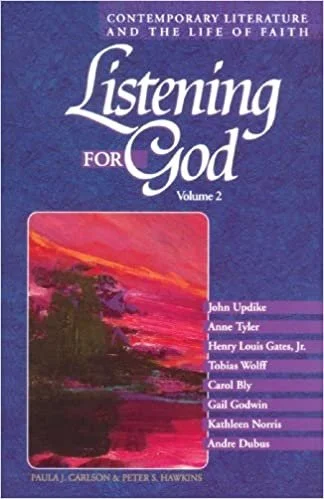
John Updike wrote one of my favorite short stories about resurrection in The Afterlife and Other Short Stories called “Short Easter,” about a year when Daylight Saving Time begins on Easter Sunday. I first read the story in Volume 2 of Listening for God, a series of short stories selected by Paula Carlson and Peter Hawkins—Carlson then from the Department of English and Hawkins, a professor of Religion and Literature, both at Yale University. The four-part series includes a DVD about the author of each contemporary short story, which can work well in a book group study using literature as an icon to hear and see God.
In “Short Easter,” this sacred day for Christians becomes one hour shorter when the clocks are moved forward, and we lose an hour of sleep. “Church bells rang in the dark.” Updike follows the day of a wealthy man named Fogel, who keeps wanting to attend church services on Easter Day but keeps putting it off until—by the end of the day, he has never gone.
At the story’s end, Fogel wakes up from an afternoon nap “amid that unnatural ache of resurrection, the weight of coming again to life” and realizes that “although everything in his world is in place, there is something immensely missing.”
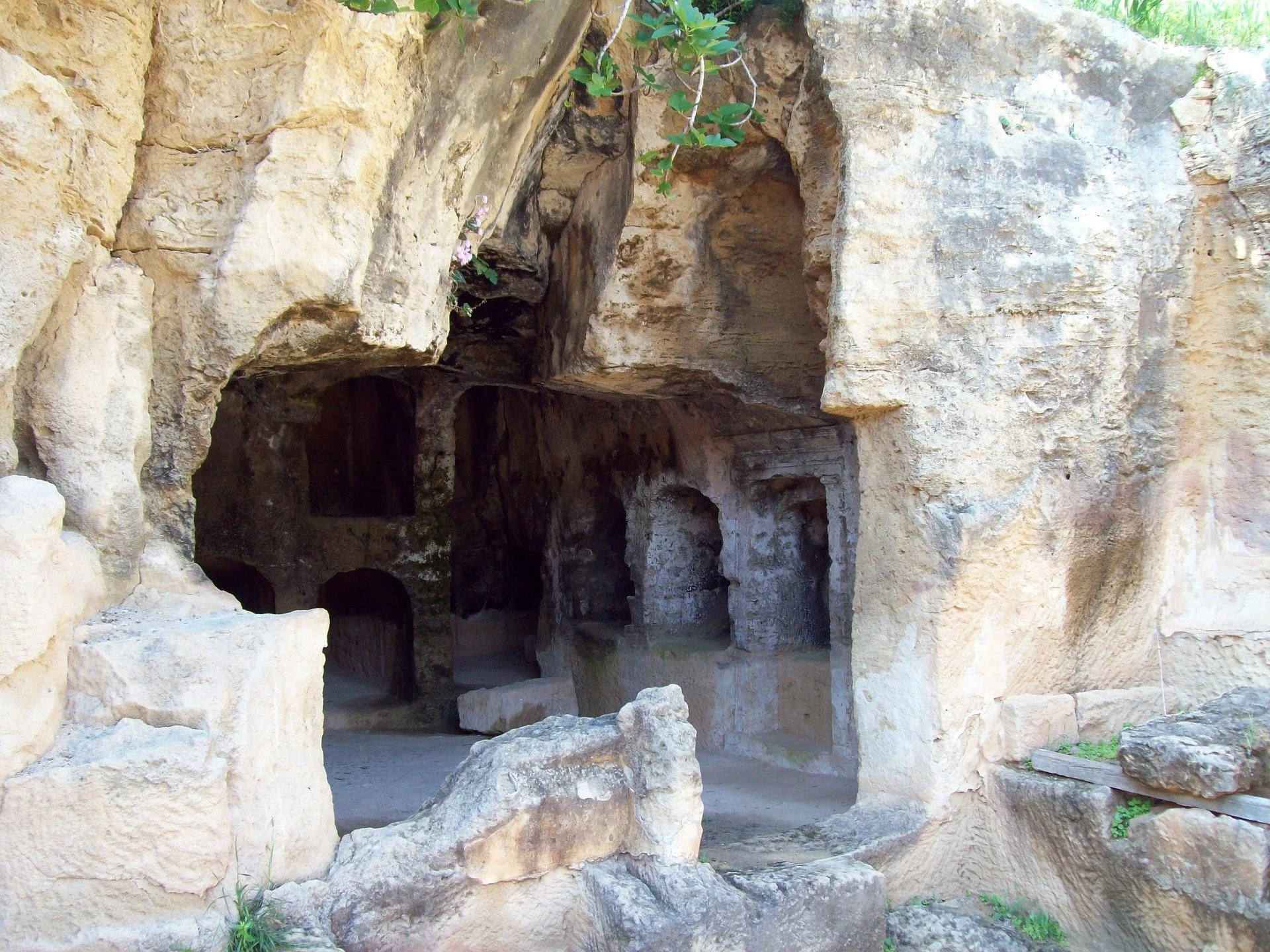
This is the moment of clarity that God constantly reveals to us. I often need to remind myself and my spiritual friends to remain open to that moment, which can be just as frightening for us as it was for Fogel. It’s like the fear the women felt at the empty tomb on Easter Day. It is resurrection. It always points to something greater than we can understand. We become aware of a love that we cannot fully grasp.
We have filled our 'God hole' with something else, and whatever it is—prestige, money, marriage, work, family, fame, beauty—it will never satisfy the emptiness inside us where only the God of love is enough to fill. This is the God who desperately loves us and tirelessly calls us to share in his and our resurrection in this life and the next.
I would love to hear more of your resurrection stories this Easter season. You can email them to me or share them on Facebook or on the website where this blog is posted: joannaseibert.com.
Empty Tomb