The Odyssey: When Hospitality to Strangers is Forsaken
Guest Writer: Larry Burton
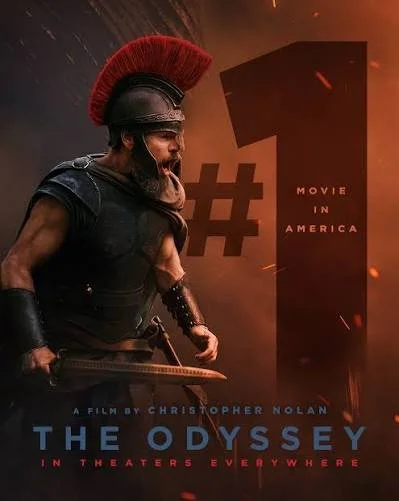
Have you seen Christopher Nolan’s new movie based on The Odyssey? We are going, but we haven’t seen it yet. However, I’ve read a batch of more philosophical articles about the film and am captivated by a theme that runs through several of them, namely what happens when virtue—especially hospitality to the stranger—is forsaken.
Much is made of the ancient virtue of hospitality and civility toward the stranger. This was attributed to Zeus—though Nolan doesn’t make much of the gods—and served as a way of managing intergroup relationships.
David French, a columnist for the NY Times—and a Christian—raised the issue yesterday: What happens when there are no moral norms or virtues? Peter Werner, in the Atlantic, references Nietzsche on this, then continues, “But Nietzsche was at least honest about the cost of the revolution he heralded. With God dead, he warned, the morality built on God might collapse as well, and into the gap meaninglessness, fanaticism, and substitute faiths could rush in. Nietzsche declared, with some sorrow, the death of God. Many of his heirs gleefully practice their cruelty in God’s name.”
We have a few Atheist friends—mostly scientific—who, despite the lack of God, nevertheless hold to certain virtues, like honesty and trust. I guess what bothers me most is not atheists but people who claim to be Christian yet whose primary “virtue” is might makes right. As one who taught Aristotle, Kant, and the utilitarians, I recognize there are secular options, and though there are issues with each of these major approaches, each still has a grounding in human dignity and respect.
If you see the movie, I hope you’ll find some friends with whom you can chew on its moral message…if you think there is one.
Hoping you are not under the heat dome.
Love, blessings, and peace,
Larry Burton
Joanna joannaseibert.com