Gratitude and Acceptance

Charleston: Gladness, Gratefulness, Acceptance, Peace

“Be glad today for the many small graces that line the path of our lives like flowers. Be open to the surprises that may come and alert to the quiet messages whispered on the wind. Be creative in how you shape your life in these few hours, for every day is a blank canvas. Be a blessing to others as the night draws near and let your evening prayers keep them safe until you awake again.”—Steven Charleston Daily Facebook Page.
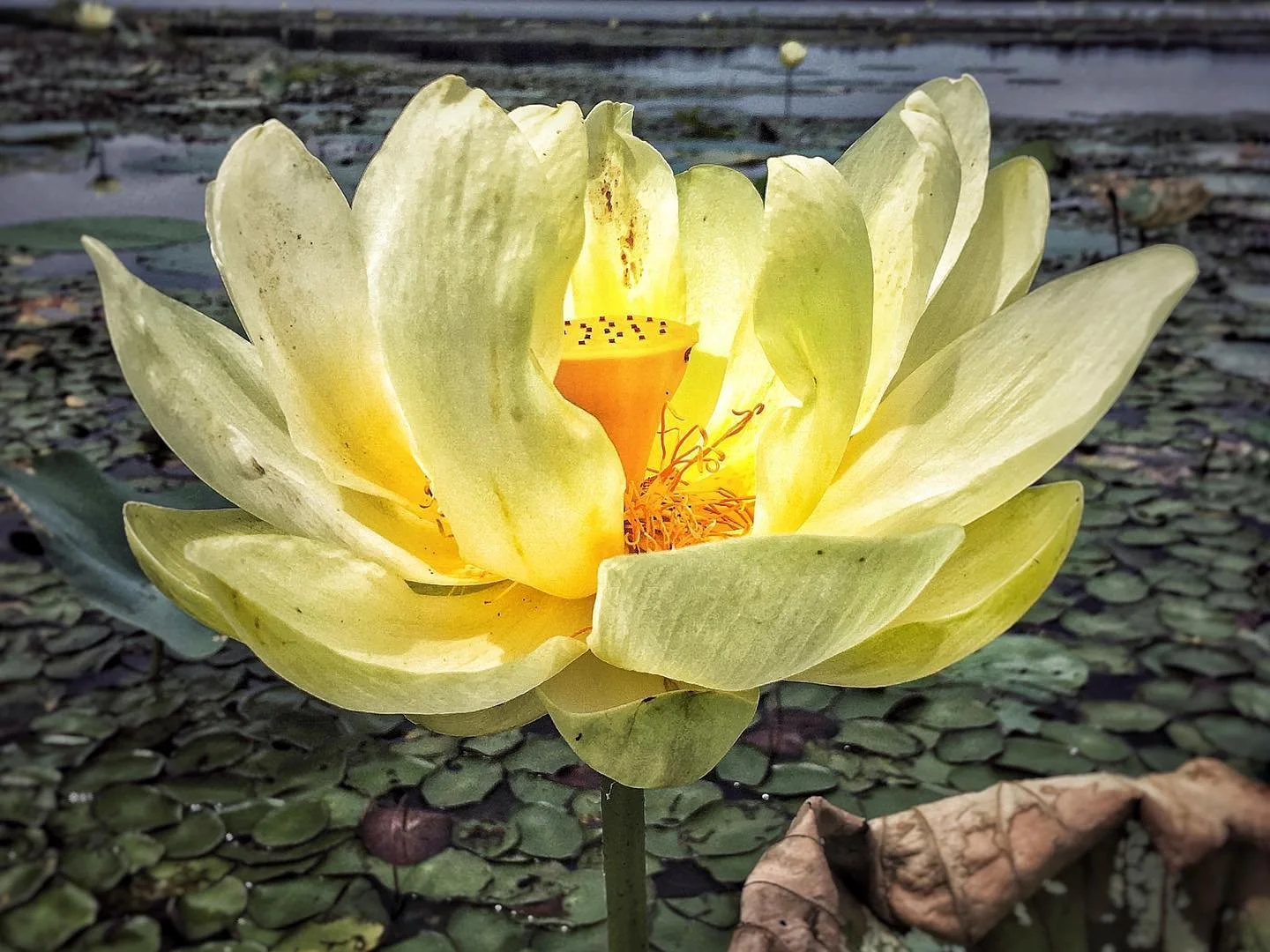
joanna campbell

Every day, we have choices. First, we can obsess over the past, what we have lost, mistakes we have made. Second, we can obsess over the future, what we will lose, especially as we age or fall into new mistakes. The past and potential future become our “gods, taking up rent in our heads”—consuming all our time and energy. Our mind keeps racing faster to make plans and find solutions.

Our third choice is to live consciously, moment by moment, in the now. We can enjoy, treasure, and give thanks for each day’s gifts, which come to us in each present moment. This involves an impressive awareness of our surroundings and relationships, enlarging our worldview, and getting “out of ourselves.” The challenge is not to forget our mistakes but to learn from them to make them less frequent in the future.

Acceptance of ourselves as works in progress, not works seeking perfection, is enormous. Acceptance that there is a power greater than ourselves caring for us is paramount. I talk daily with people upset about plans that were not going their way, only to become thankful later because “their plan” would have been destructive.

I think of old boyfriends I obsessed about who ignored me as a teenager. I realize today that my life would have been a disaster with any of them. I think of people who came and continue to come into my life to change my direction when I go the wrong way. I think of people who cared for our children when we couldn’t or were not the ones they needed at the time.

As we age, we may find ourselves filled with anxiety from contemplating the deterioration of health, the death of a spouse, or living on a fixed income, and now living in a time of destructive weather due to climate change. There are so many uncertainties.

We have a part to play in overcoming this. First, we must do our best to keep ourselves healthy through diet, exercise, and proper medical care. But then, our best response should be to wake up each morning with gratitude for the gifts of another day together.  

Acceptance and gratitude are our cornerstones, the primary building blocks to peace and serenity.

 I am writing this so I will continue to remember it.

ann gornatti’s garden

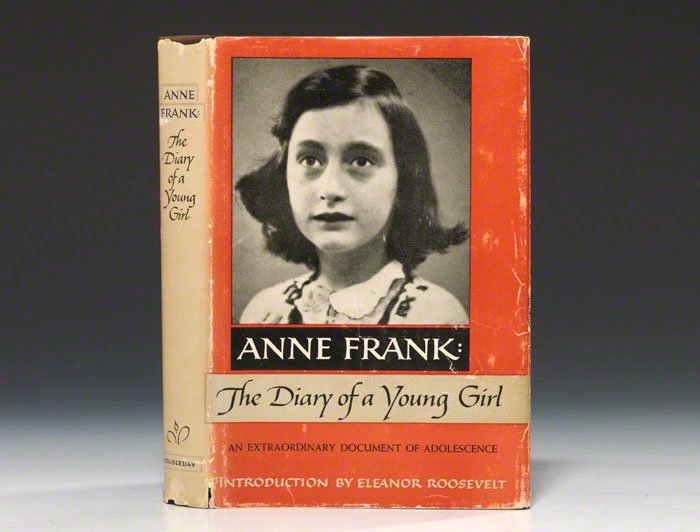
Anne Frank: The Remedy

Anne Frank: The Remedy

“The best remedy for those who are afraid, lonely or unhappy, is to go outside, somewhere where they can be quite alone with the heavens, nature, and God.”—From Anne Frank: The Diary of a Young Girl (1947).

attic Anne Frank

Anne Frank hid in a cramped, secret upstairs annex of an office building for over two years with her parents, sister, and four other Jewish people: Hermann and Auguste van Pels, their son Peter, and Fritz Pfeffer. Otto Frank’s company owned the building; a bookcase concealed the entrance. Anne and the seven other people could never venture outside. A small window in the attic through which she could see a chestnut tree was her only chance of getting fresh air. In a powerful reflection in her diary, she calls it “the remedy.”

Anne was fifteen when her family was discovered and sent to Auschwitz’s death camp. Later, she was sent to Bergen-Belsen concentration camp, where she died weeks before British soldiers liberated the camp.

Today, we thank Miep Gies, one of Mr. Frank’s employees, who helped the Frank family hide and later retrieved Anne’s diary. Otto was the only member to survive. He received the diary from Gies on returning to Amsterdam after the liberation.

Every day, I know that I take Anne’s “remedy,” the world outside my window, for granted. So, I am putting Anne’s picture on my desk, hoping to honor her brief life and its truth. I also hope I can always hear the call from Miep to reach out to those who desperately need our help.

Anne’s remedy has been the remedy for so many during this pandemic, who have felt in a small way how the Franks were trapped. People are walking, sitting, biking, and running outside. We are also given another chance to care for others in some small way, as Miep did by staying socially distant and wearing our masks. We do this to care for ourselves, but for many other reasons, we show we care for others, one person at a time.

How My Father Survived the Holocaust

    Guest Writer Alan Schlesinger

The Story of How My Father Survived the Holocaust

Now that I am retired, I have finally had the opportunity to write my father’s memoir more than thirty years after his death and almost fifty years since he told me about his experience during the Holocaust. I have titled the book Resilience: The Story of How My Father Survived the Holocaust.

My father, Joseph Schlesinger, had a remarkable life. Born in Hungary in 1910, he survived two world wars and the Nazi Holocaust, emigrated to the United States, and started a family. While anyone’s survival of the Holocaust is a miracle, my father’s story is in many ways even more incredible. He survived the deportation of Hungarian Jews to the Auschwitz extermination camp. Still, before that, he endured seventeen months of forced labor during the Russian invasion by the Axis armies and the Soviet offensive that eventually expelled the invaders. Few forced laborers survived the atrocities at the eastern front and the brutally cold Russian winter. Yet my father endured returning to Hungary just before the mass deportation of the Hungarian Jews to Auschwitz.

After six months in Auschwitz, where his parents were victims of the Nazi extermination plan of the “final solution,” he was eventually transferred to Nordhausen concentration camp, where he worked as a slave laborer building underground tunnels to produce the V-2 rockets.

After escaping during a British bombing raid, he began his harrowing escape from the Nazis and the advancing Russian Army to reach the American occupation zone at the war’s end.

Alone (an only child) and weighing under 100 pounds, he began rebuilding his life. He was placed in a displaced person camp in Eschwege, Germany ( “Displaced person” or “DP” was used by the American government for the refugees after World War II). As a physician, he started a medical practice in the self-governed DP camp, caring for the other DPs.

While beginning to heal physically, he realized that to survive emotionally. He had to let go of his anger, be grateful for his blessings, and build a new life with hope for the future.

The book has many examples of my father’s choices to live a grateful life, rather than harbor resentment. Perhaps the most moving was the following story told to me by my mother (they met in the DP camp) after my father’s death. Once my father established his medical practice for the other DPs, it was decided by the American occupation government that the US Army doctor would care for all of the US Army personnel at the Army base in town. The local German civilian doctors would care for the German civilians in the city, and my father would care for the DPs in the camp.

 A problem arose when the local physicians in town did not want to treat those civilians who were former Nazis, Nazi sympathizers, or suspected Nazi sympathizers. They asked the Army doctor if he would treat them, but he was not allowed to do so by the Army. My father volunteered to care for these people, stating that they would have defeated him if the Nazis could take away his humanity and make him break his Hippocratic oath. He had decided that to move forward and fully heal, he had not to seek vengeance, but instead try to forgive.       

Among the many stories of survivors from the horrors of the Holocaust, I believe my father is unique. Beyond his physical survival, his emotional survival and ability to start a new life celebrating life with optimism and joy represent an amazing triumph of gratitude and forgiveness over anger and resentment.

 This photograph, taken on our boat in New Hampshire in 1968, reveals his complete physical and emotional survival. He had been swimming in Lake Winnipesaukee and climbing the ladder to return to the boat. Someone said something funny, and my father laughed so wildly that he was falling toward his right and almost out of the photograph’s frame. He is filled with joy. Despite the number tattooed on his arm clearly visible, and the loss and pain it symbolized, his joy cannot be contained. He has healed—healed completely—and will enjoy every moment of the rest of his life.