What I learned from Dr. Taybi: A Life of Gratitude

What I learned from Dr. Taybi: A life of gratitude

“Before I ventured forth,

even while I was very young,

   I sought wisdom openly in my prayer.” Ecclesiasticus 51:13.
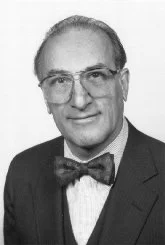
As I say prayers today for refugees and those trying to immigrate to our country, I find the previous note from Dr. Hooshang Taybi from 2006 posted on Daily Something yesterday. Dr. Taybi wrote the letter three weeks before he died, responding to my email hearing the news of his terminal illness.

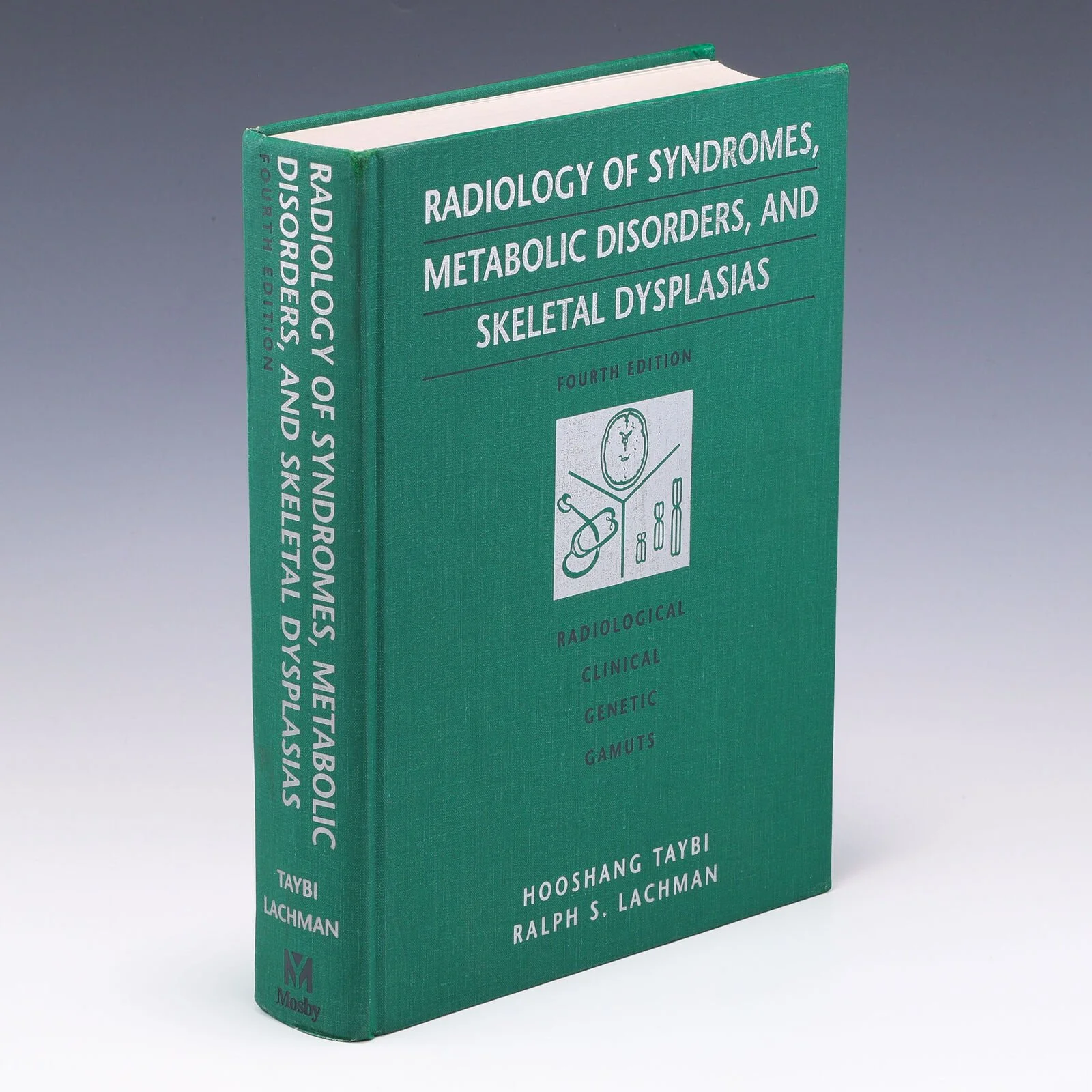
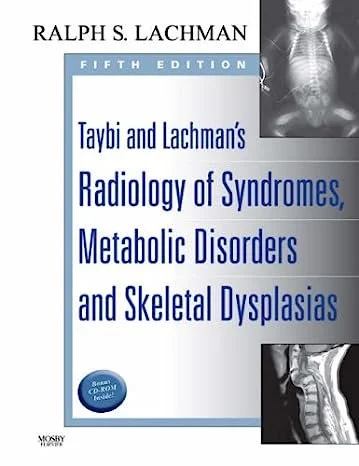
If you are a radiologist or pediatrician, you will remember Dr. Taybi, best known for studying children with difficulties that become part of a syndrome. He was acclaimed professionally for his encyclopedic memory of over 100 journals he read, leading to his classic textbook, The Radiology of Syndromes.

But I most remember his kindness, humbleness, and caring for others, empowering others, never too important to spend time with you.

A colleague shares a phrase from Dr. Taybi’s favorite Persian poem, “The best way to show your gratitude for having a strong arm is to extend a helping hand to the weak.”1

I see the life of a brilliant man who, close to his death, still expresses gratitude for those who helped him over 50 years before. Dr. Taybi still empowers us today by telling stories of children with illnesses, stories of how he was empowered, and gratitude for all who touched his life, even to the end. I continue to see daily the difference gratitude can make in a person’s life.

So today, I will try to remember and give thanks for those who empowered me, and pray that I can pass empowerment and gratitude on to others. I also want to remember Dr. Taybi’s story of the many strangers who helped him in his lifetime. I hope to do the same for those who come to our country, like Dr. Taybi, looking for a new life.

I also remember that if a travel ban had been in place for Muslim countries such as Iran, Dr. Taybi would never have come to his America. I think of all of us whose lives would not have been touched by his wisdom, especially the children and their parents, who would have missed his medical expertise.

1Ron Cohen, Charles Gooding, “Memorial Hooshang Taybi,” in AJR, 187:1382-1383, 2006.
A Letter from a friend before he died

A Letter from Dr. Taybi

I received this letter from a refugee from Iran shortly before he died:

Rev. Joanna J. Seibert: 

Dear Joanna (please call me Hoosh):

Thank you very much for a very kind email. Your encouragement is most appreciated. I have accepted my illness and have no trouble dealing with the situation, thanks primarily to the support of my loving wife, Alice, and my children.

I am so thankful for all the opportunities I have been given by my mentors, friends, and, many times, strangers in this country. Your kindness and reading your email brings me back to 1946, when I was a practicing pediatrician in the city of Hamedan in Iran. An American missionary had a small hospital and clinic headed by a young American, Dr. Frame. I told him one day, I planned to go to America and get more education. A son of a missionary, he spoke Farsi fluently. I told him I wanted to learn “American.” He taught me a few words in “American” [English].

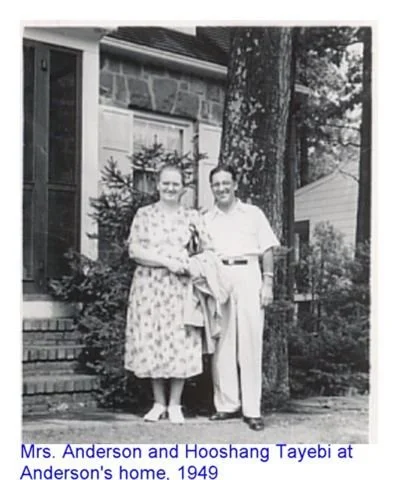
When I left Iran, Mrs. Frame gave me a letter to deliver to her parents, the Andersons. I arrived in New York City in December 1948, just before Christmas, and found my way in Manhattan to the Andersons’ apartment. Mr. Anderson took me to New York University, met with Professor Tobin, the Dean of Students, and enrolled me in English class. Andersons were missionaries, having spent many years in South America’s jungles. 

Their kindness did not end there. Many times, they invited me to their home, and I spent the 1949 Christmas at their home in New Jersey. The Frames moved back to USA, and Dr. Frame had a practice in New York City.

It was in 1964 when we gave a course in Pediatric Radiology at Indiana University Medical Center. I sent an invitation for Dr. Frame to come as my guest and attend the course. He could not come. But in a nice note stated: “I see your ‘American’ has much improved,” referring to my use of American instead of English in 1948!! This type of kindness is unforgettable. To the end of my life, I shall remember what they did for a man from another land and another culture. Two of the Anderson photographs from my album are attached. 

I appreciate very much your family remembering meeting this old friend. Please extend my regards to them, and I hope we meet again at another SPR gathering.

Hoosh

Joanna  https://www.joannaseibert.com/

Learn more about Dr. Tabyi tomorrow.


Photography as a Spiritual Practice

Photography as a Spiritual Practice

Guest Writer: George Taylor

Finding Beauty in the Discarded

With the advent of smartphones and computers, most images remain as digital files, rarely making it to print. The small percentage of printed images are printed on paper and can be reproduced without limit, each an exact duplicate of the last print.

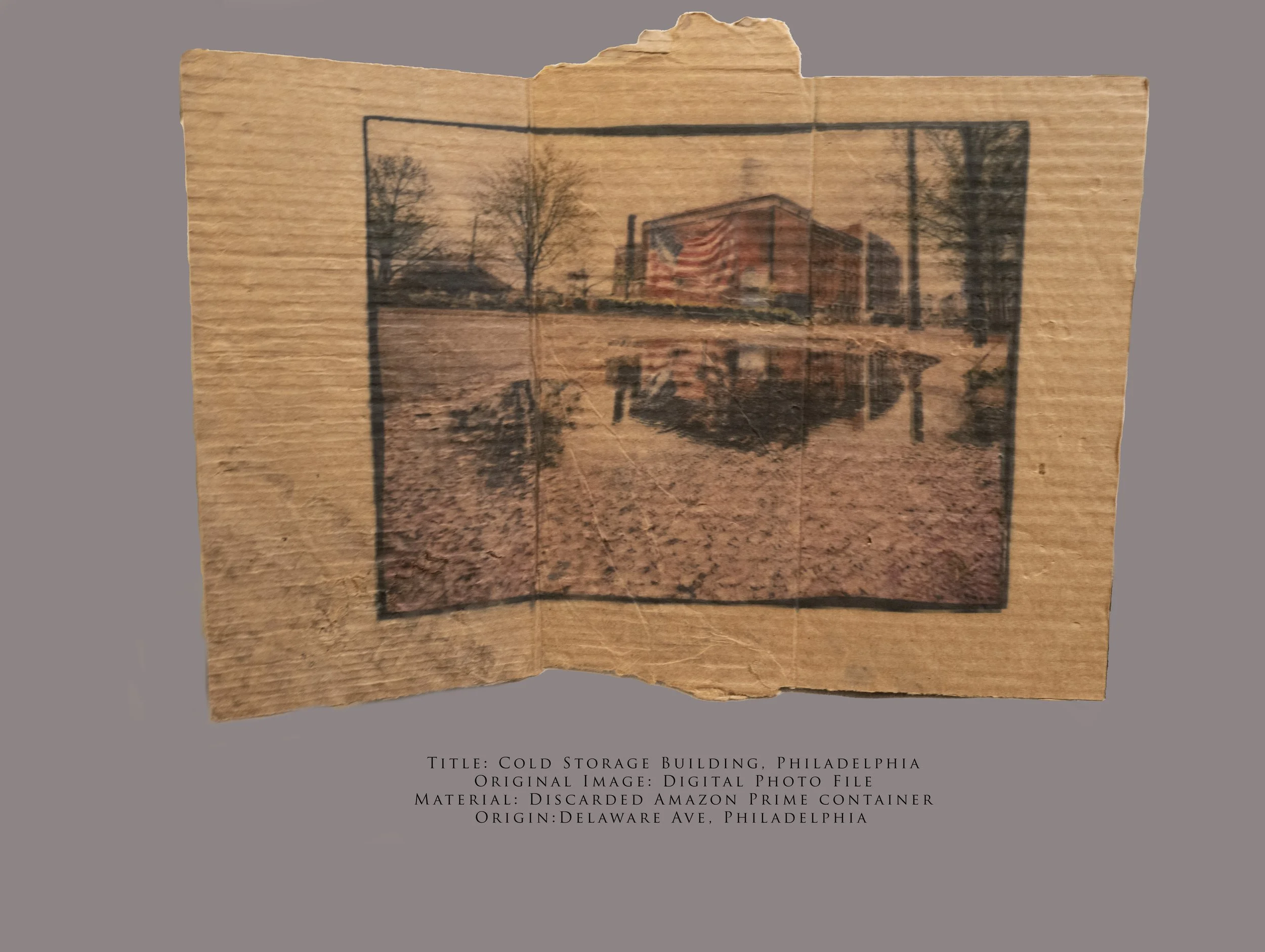
Over the last few years, I have begun to explore printing images on surfaces of discarded and found objects. As the image merges with an old shingle, a piece of driftwood, or discarded cardboard, the result is a one-of-a-kind object with characteristics of both the image and the substrate. While the same image can be placed on several different surfaces, the resulting object will differ in complexity and feel. 

The surfaces I have chosen are found objects discarded because they no longer can fulfill their original purpose. Using them as photographic objects allows a new and different meaning for each of these discarded fragments. The fragment changes the image just as much as the photograph transforms the fragment into something new.

As we get older, it can feel like we are becoming the discarded fragments of a life once lived. These pieces of driftwood and old cardboard remind me that we can all find a new purpose as we transition from one phase of life into a new one. There is always something we can do to contribute. It does not have to be monumental. Just finding beauty in discarded fragments can be enough to make a positive difference. 

For more images on discarded fragments, please visit https://taylorimaging.smugmug.com/Discarded-Fragments/

Images:

1-Cold Storage Building, Philadelphia. Printed on a discarded Amazon shipping box found across the street.

2-Fells Point, Baltimore. Printed on a fragment of roofing slate from Baltimore.

3-Moulton Barn, Wyoming. Printed on plywood fragment found on Cape Cod.

4-Wood End Lighthouse, Provincetown. Printed on found driftwood from Penobscot Bay, Maine.

George Taylor

Joanna. https://www.joannaseibert.com/