Resentments

Resentment

“Resentment is like drinking poison and waiting for the other person to die.”—Attributed to St. Augustine and many others.

I have had a lot of experience with resentments in my own life. In addition, so many people come for spiritual direction because of grievances about harm done to them by others. These resentments block us from a relationship with God as we obsess about what this person has done to us, thinking about this injustice more and more. The person or the event becomes our higher power, our God. There is no room for a relationship with God because our existence centers on the harm done to us and how to harm those who hurt us. When I can calm down and realize this person has taken over my thoughts and become my God, I slowly begin a path to forgiveness. I don’t want this person or situation to be my higher power, to take up so much space in my limited life.

 The first step is to pray daily for that person. Praying does not change the person who harmed us, but praying can change us.  

One other helpful observation. We do not have far to look to see others whose resentment for the wounding done to them has taken over their existence. Some try to hide it. Others openly live a life of resentment. It changes who they are. Anger, bitterness, and self-centeredness live there. They become victims. Wholeness is excluded. Some become almost paralyzed by resentment and cannot deal with life on life’s terms. They soon begin to resent others who do not appreciate the injury they have suffered. Addictions creep in as temporary, harmful solutions to the increasing pain that resentment brings. That person who harmed them is still hurting them. It is a miserable, isolated life, an icon of who or what we do not want to be.

Forgiveness is our only option if we want a relationship with God and a relationship with others.

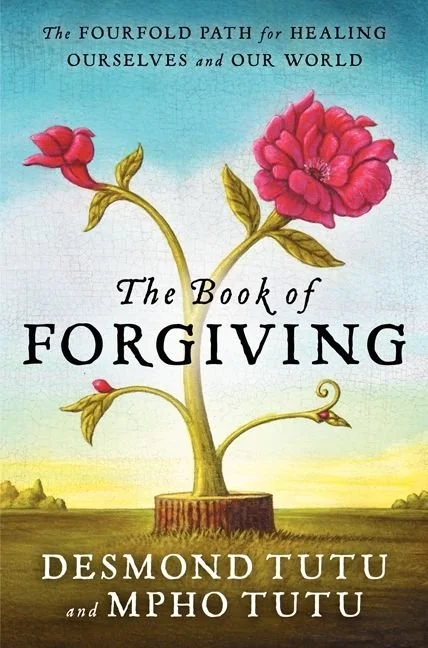
I share one of my favorite books on forgiveness.

Joanna  joannaseibert.com
Nouwen: Telling Our Story this Advent

Nouwen: Telling Our Story this Advent

“Waiting patiently in expectation does not necessarily get easier as we become older… As we age, we are tempted to settle down in a routine way of living and say: ‘Well, I have seen it all.… There is nothing new under the sun.… I will just take it easy and take the days as they come.’ But in this way, our lives lose their creative tension. We no longer expect something new to happen. We become cynical or self-satisfied or simply bored.”—Henri Nouwen

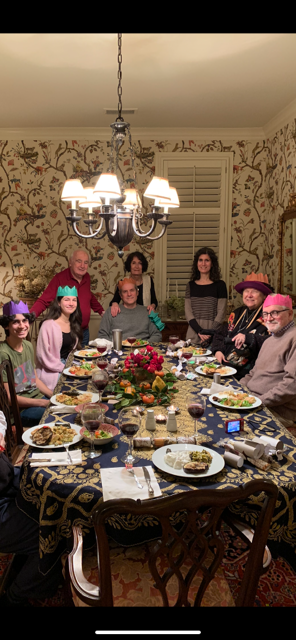
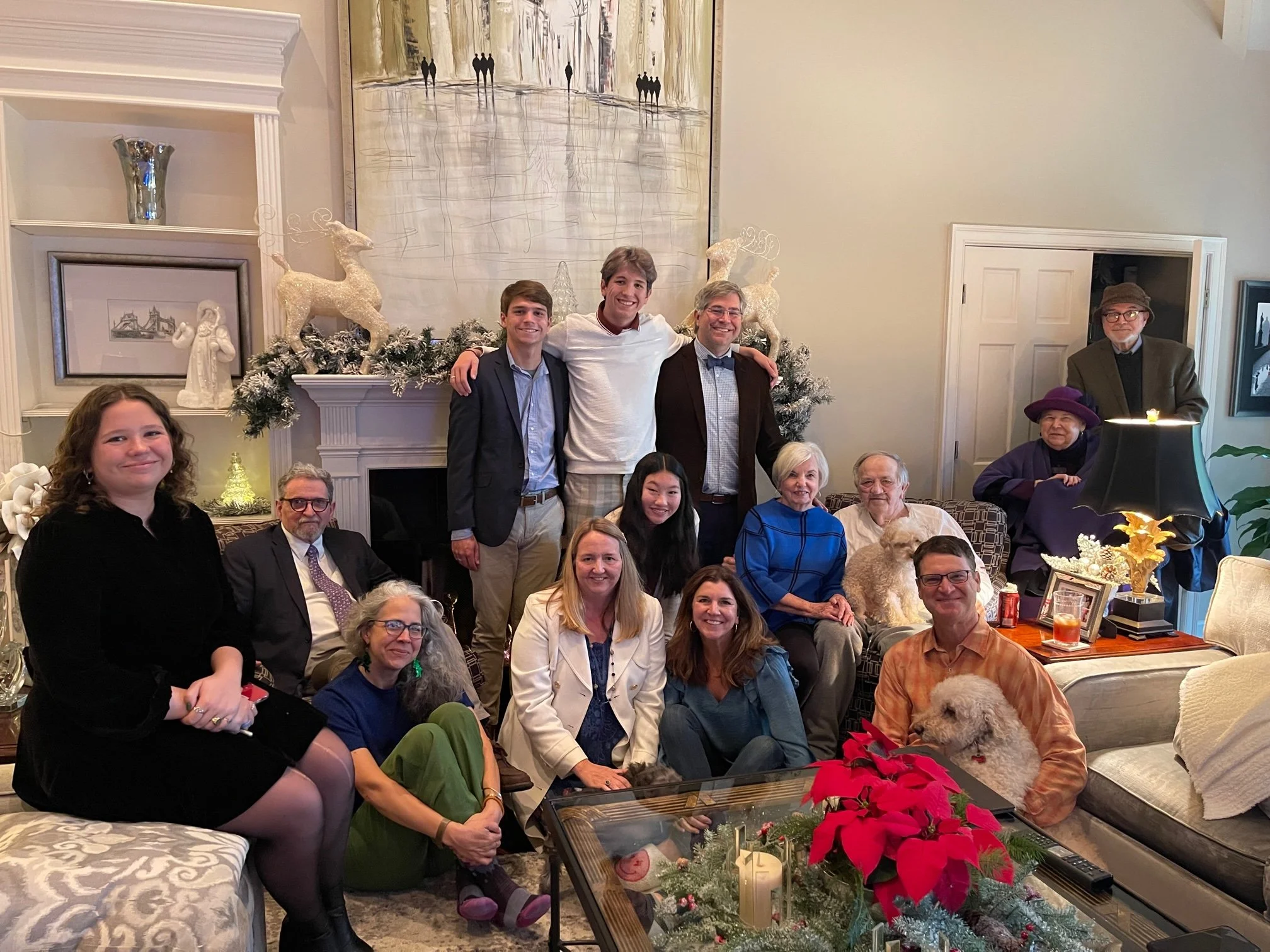
I think of the regular routine of so many seniors our age. Many think they deserve to rest because they have worked hard for many years. But I am learning there are many forms of rest. We can sit and talk or watch movies with our grandchildren. Eventually, we will tell our story to them. This is one of our most significant ministries: letting those who will live on after us know the story of our family. My experience is that they may not be interested in hearing unless we do something together and let them know how much we love them.

My husband occasionally told family stories while he took our grandchildren to school. But he didn’t do it every day, or they might become bored! We can be storytellers while fishing, walking, hiking, crafting, fixing dinner, or eating together. Telling our family story gives our children and grandchildren roots that connect them to a loving God. It also helps us recount our own story, the purpose of our lives, and our origins. A good time for stories is at holidays, graduations, or birthdays, when we share past times.

Do not be disheartened if family members are not interested. Consider writing or making an oral video of your story. Often, after we die, maybe not until our family members are our age do they become interested. My experience is that the older we become, the more we look for our roots. It is a way of grounding ourselves, connecting us to the earth from which we came and to which we will return. At each telling of our story, we find even more awareness.

 As we share our story, we also become increasingly aware of how a loving God works in our lives and our family at every turn, every day. We often only comprehend this when we share our family’s history and recognize the pattern of how God and God’s love were and are with us at every turn.

Family gatherings, such as Thanksgiving and Christmas meals, are excellent times to hear and tell family stories.

Spend some time this Advent sharing your story, but first, listen as someone else shares their story with you.

Joanna. https://www.joannaseibert.com/


Encountering Water and Desert in Advent

Encountering Water and Desert in Advent

 Guest Writer: Dr. Elizabeth-Anne Stewart

water and desert

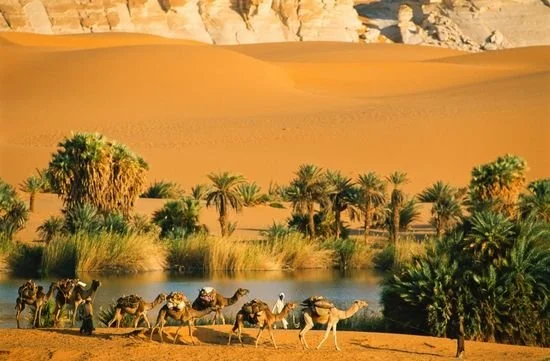
We need both the desert and water, that time of aridity, and that time of refreshment and cleansing. These seeming opposites belong together: on its own, the desert is a fearsome place that can leave us at the mercy of sandstorms, scorpions, wild beasts, night terrors, and agonizing thirst; on its own, water lets us float aimlessly or else tugs at us relentlessly until we are swept away by powerful currents or else battered by tempestuous waves.

 To linger in the desert too long places us at the mercy of demons, while to dive deep into unknown waters can lure us into forgetfulness and oblivion. Alone in the desert, we are left to face our worst selves and relive the pain of lives past —forgotten memories of what we have done and what we have failed to do, of promises made and broken, of relationships that ended with a bang or a whimper, of opportunities missed.

Alone in the water, we lose all agency as the waves and rippling currents do what they will, lulling us into complacency or leaving us struggling for survival...

But together, desert and water are balm for the soul. In silence and solitude, we remember; in water, we are "remembered" or made whole again. The desert brings insight, allowing us to see how we have been responsible for much of our pain, primarily because of our attachments and ego needs; at the same time, it allows us to understand why others may have harmed us, to see how their own wounded selves have caused them to be cruel, unjust, or indifferent. For its part, water washes over us, cleansing our hearts and minds, soothing our aching limbs, and accepting our tears of grief and remorse.

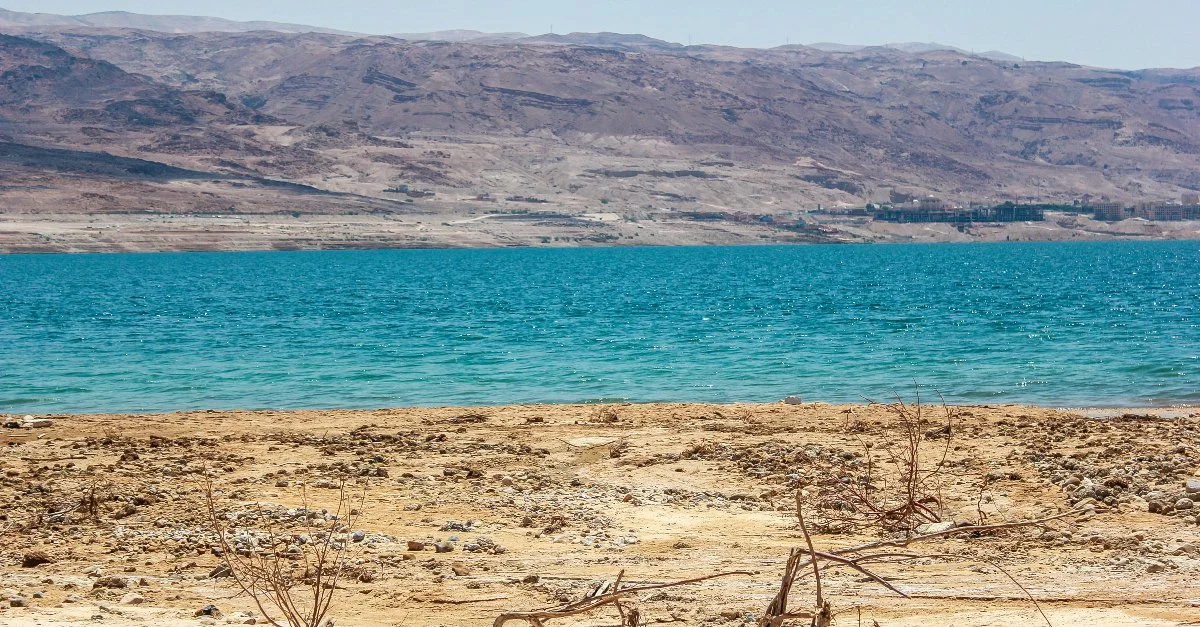
Jordon River


Just as in the days of John the Baptist, the people of Judea flocked to the desert to be immersed in the waters of the River Jordan; so, too, we need to seek out both desert and water, both insight and forgiveness. This desert/water immersion is neither an empty ritual nor a mere obligation. It is not about trying to feel good, getting rid of guilt and regrets, being "saved," becoming righteous, or preparing for Judgement Day. Instead, it is an opportunity to encounter the God who dwells in both desert and water, to be with the One who was driven by the Spirit into the desert to find his mission and identity and who had the power to calm turbulent waters. In his company, we look to the desert to find life, not death; at his bidding, we plunge into the maelstrom to learn to walk on water...

For all its glitter and frenetic activity, Advent is a desert season. Still, while we in the northern hemisphere celebrate a snowy wonderland in our carols, it is the living water that brings life to the desert-- the inexhaustible streams of God's love and mercy that are ever-present in those places where even angels fear to tread, flowing through the wasteland, the scorched earth, and the parched lands...

Elizabeth Stewart

Elizabeth-Anne Stewart, PhD, PCC, BCC

In addition to her work as a spiritual director, Elizabeth focuses mainly on spiritual coaching and writing coaching. Based in the greater Chicago area, she teaches writing at St. Xavier University and spiritual coaching at the Institute for Life Coach Training (ILCT); she recently launched The Ministry Coaching Foundation to offer opportunities for continuing education and personal renewal. www.elizabeth-annestewart.comwww.MinistryCoachingFoundation.comwww.ChicagoWritingCoach.com

Joanna joannaseibert.com

+++