New Doors Opening

Change and New Doors Opening

Kidd: Spiritual Whittling
“There’s an old Carolina story I like about a country boy with a great talent for carving beautiful dogs out of wood. He sat on his porch whittling daily, letting the shavings fall around him. A visitor, greatly impressed, asked him the secret of his art. “I just take a block of wood and whittle off the parts that don’t look like a dog,” he replied….

In spiritual whittling, though, we don’t discard the shavings. Transformation happens not by rejecting these parts of ourselves, but by gathering them up and integrating them. Through this process, we reach a new wholeness. Spiritual whittling is an encounter with Mystery, waiting, the silence of inner places—all those things most folks no longer have time for.”—Sue Monk Kidd in When the Heart Waits (HarperOne 2016 )
This is also my experience of transformation. I constantly realize that parts of my life that keep me “together” or connected to God are helpful at one time, but later, they grow tired and worn and need to rest. Our ministry, or what we have to offer, changes.

 One of the most challenging changes for me was leaving my medical practice. That was my identity. But I wanted to do so many other things. It becomes more challenging to keep up with the constantly changing technical and medical world if we do not stay current.

I learned that just because we are good at one ministry doesn’t mean we should always keep doing it. We may be keeping others from the joy of that ministry, and they may even do it better! Also, the wisdom we gain from one career or ministry is always useful in the next one.

Nothing is ever wasted.

I am also learning to be more vigilant about habits that kept me safe during some parts of my life, which later became destructive.

What am I trying to say?

Life is about constantly giving up control, or the illusion that we are in control. It is being open to change, letting doors close, but being available to enter new doors, or not being afraid to sit in the hallway for a while, waiting to hear the squeak of another door opening.

Finally, it is about trusting, avoiding getting stuck or stagnating, and not thinking we are out of options.

What new doors will be opened to us this Lent?

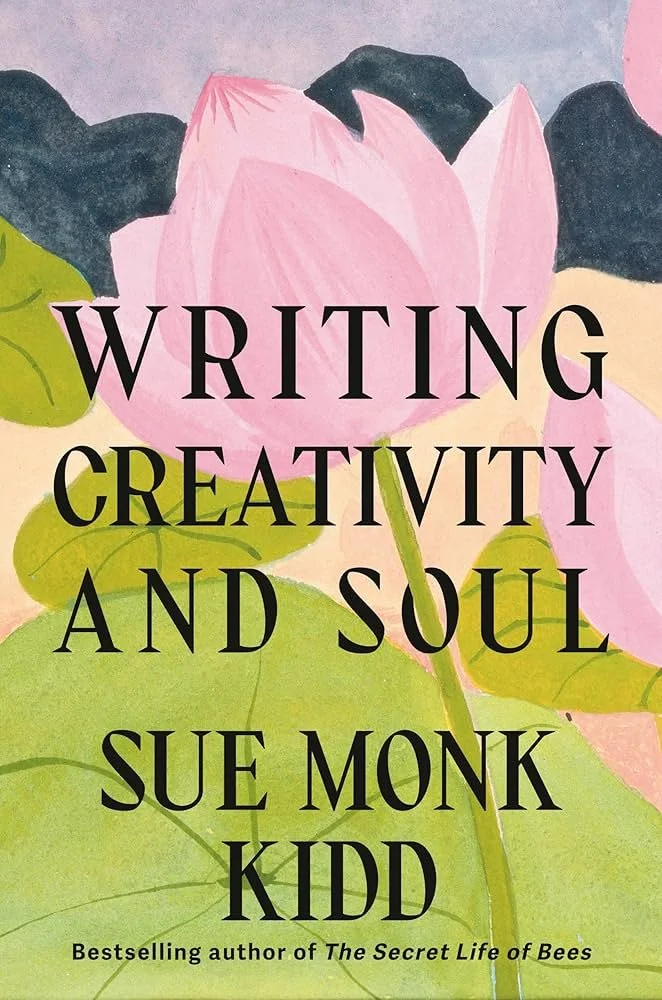
A group of us is studying during Lent, Sue Monk Kidd’s new book about spiritual writing, Writing Creativity and Soul.

Joanna   https://www.joannaseibert.com/


Barbara Crafton: Praying for Others

Crafton: Praying for Others

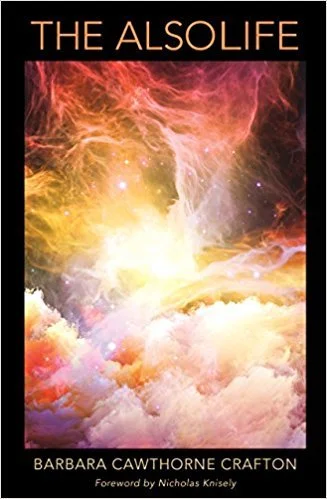
“I can compare prayer to a river-strong, clean, swift, carrying everything along in its powerful current. When I pray, I have stepped into the river and allowed it to carry me. When I pray for you, I have taken your hand, and together, we step into the river and let it carry us with power.”

——Barbara Crafton in The AlsoLife (Morehouse 2016), p. 128.

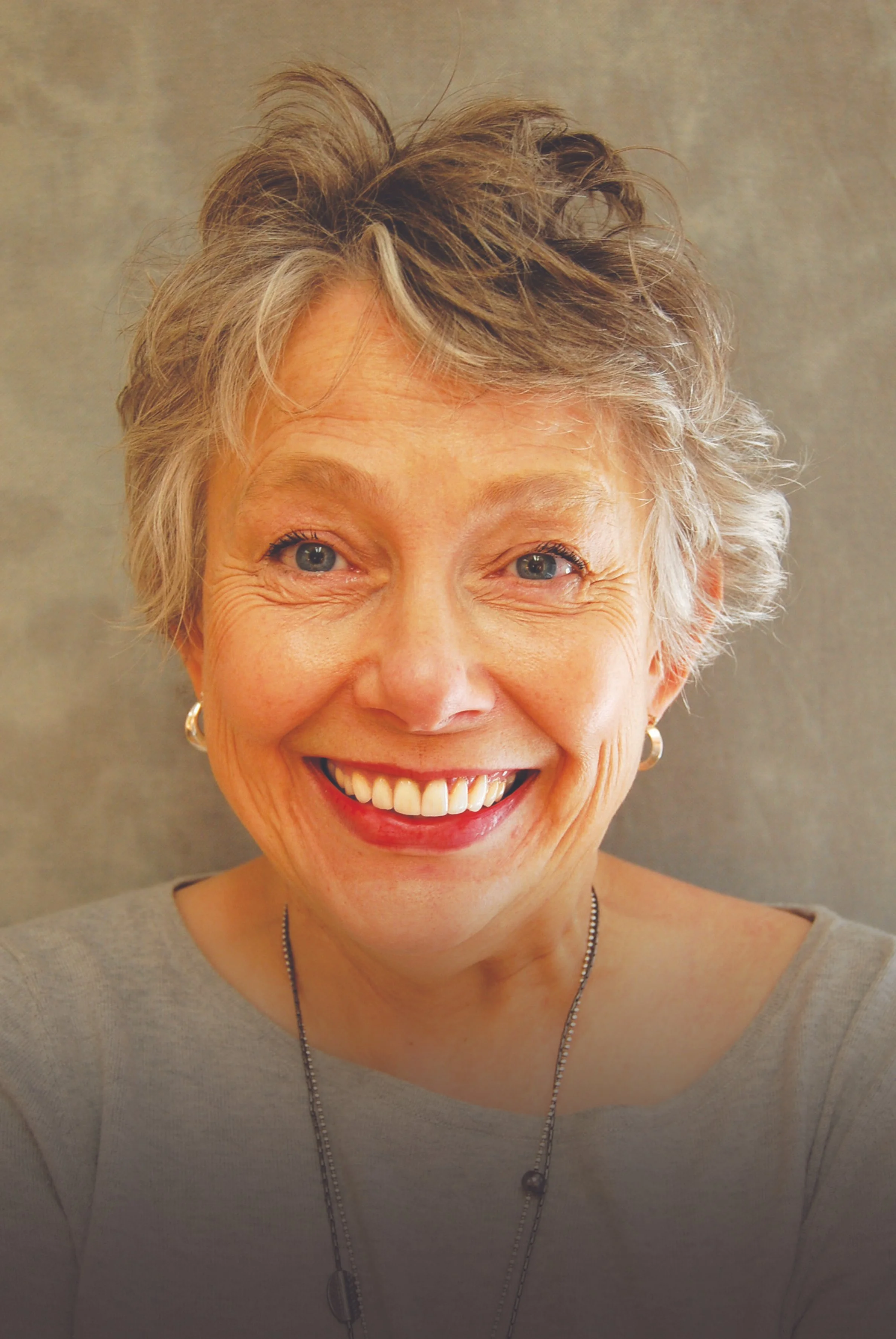
 Episcopal priest and well-known speaker and writer Barbara Crafton taught us a different view of prayer during a Lenten retreat at St. Mark’s based on her book, The Courage to Grow Old.

Hers was a surrender prayer, a prayer of few words, feeling the power of prayer as we pray, bringing others with us into prayer. It is prayer that comes with sitting, swimming, or walking in silence and simply waiting for the Spirit’s lead.

Swimming once was a favorite exercise. I could visualize those in my prayers swimming or walking in the water with me. However, Crafton gives us an even more powerful image of swimming in a river or ocean, where we surrender to let the current or Spirit move us.

Crafton also writes about prayer as a way to connect and align ourselves with the energy of the love of God. Prayer is love, loving God, ourselves, and our neighbor.  

Some people imagine Jesus in prayer, walk with or carry friends to Jesus, and leave the person they pray for in Jesus’ arms. I often used this prayer image when praying for my children and grandchildren.

For some, kneeling at the rail for the Eucharist is an image used in prayer. We can imagine walking with, or bringing our friends in need to, that rail for prayer, and kneeling with and beside them.

This image also helps us pray for enemies or those with whom we are having difficulty. It is hard to keep hate in our hearts when our enemies kneel beside us, waiting as we are for the body and blood of Christ.

You can say daily prayers with Barbara Crafton on her Facebook page and receive daily writings about the saints.

Joanna  https://www.joannaseibert.com/
 

The Case for "New" Nursery Rhymes

Altering with Intent: The Case for “New” Nursery Rhymes

Guest Writer: Isabel Anders 

“When words and pictures work well together, they form something new, something greater than the sum of its parts.” —Lynne Barasch.

“The teaching of children … is where the story of the transfer of knowledge truly begins.” —Simon Winchester, LitHub (4/25/23).

Winchester goes on to explain that the very earliest means of transmitting knowledge “are primarily oral or pictorial in nature: they tend to involve stories, poetry, performance, rock carving, cave painting, songs, dances, games, designs, rituals, ceremonies, architectural practices, and what the aboriginal peoples of Australia know in their various languages as ‘songlines,’ all passed down through the generations by designated elders or specially skilled custodians of each form of cultural expression.”

Some people feel we shouldn’t mess with iconic nursery rhymes. But in fact, many versions of our children’s classic lullabies and folktales have already been reshaped and shared through the centuries as nighttime comfort and the carriers of new ideas. 


However, some storytelling figures familiar to us that once meant one thing in earlier times can now signify something totally unrelated in a modern, meme-rich context. In light of this realization, another look at nursery rhymes is reasonable.


Often, a new take on a familiar trope starts with a revised caricature.  Political cartoonists frequently draw on the legacy of familiar characters to strengthen their visuals as they make their points. And it usually hits home.


For instance, Humpty-Dumpty sitting on his wall instantly signals vulnerability; George Washington, pictured with a cherry tree, will have something to say about honesty. Biblical themes such as Noah and the Ark (being rescued) or Moses parting the Red Sea (exerting great power) are also shared memes that have retained widespread agreed-on significance.


The reviser of familiar rhymes and their potential messages starts from there. Picturing iconic figures can facilitate a visual “shortcut,” bringing children into a familiar frame or story to convey practical wisdom.


I have turned to writing children’s picture books of “refreshed” nursery rhyme versions to convey values in a culture of sensory overload. I’ve also tried to include some flexibility in the application to show that the child has a choice in how to respond to a situation. 


For instance, the older “morals” or intended teachings attached to folk tales tended to be quite rigid and even scary. And too much emphasis on magic and unlikely rescue leads to unrealistic expectations.


Joel H. Morris perhaps sums it up best: “The best re-imagined stories address what is inconsistent about the original text and make it unmissable. To tell such tales again is to tell them for the first time, to weave a thread in the tapestry of what it means to be human.”

By adding, for a new generation, an underlying awareness from Jesus’ Beatitudes of what goodness is all about—how it might manifest in the choices we make, the people we include, the goals we aim for, and the values that endure—the rhymes in my collection are not “New” so much as, I hope, “Timely.”

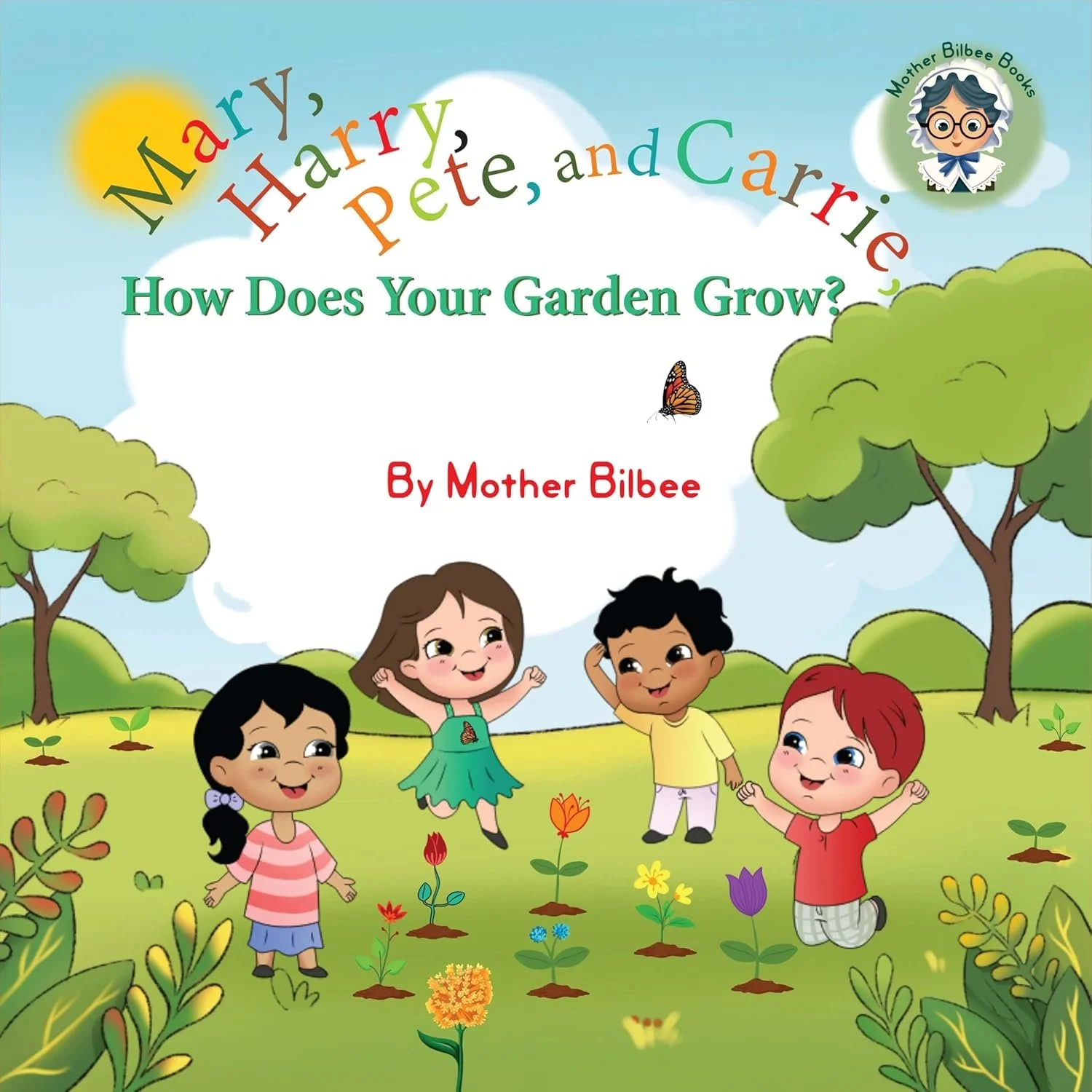
Isabel Anders’ Mother Bilbee Legacy Collection of revised nursery rhymes, picture books for children 3 to 8, includes Sing a Song of Six Birds; Mary, Harry, Pete, and Carrie, How Does Your Garden Grow? and Jack Horner’s Christmas Pie.

Isabel Anders

Joanna Seibert. joannaseibert.com