Charleston: Spiritual Wisdom
Charleston: Spiritual Wisdom

“I think spiritual wisdom is not the measure of how much we know, but how much we have learned. Knowledge can become static, a museum of dogmas, a warehouse of opinions. We discover wisdom over and over again when what we think we know meets what we have never encountered before.”—Bishop Steven Charleston, Daily Facebook Page.

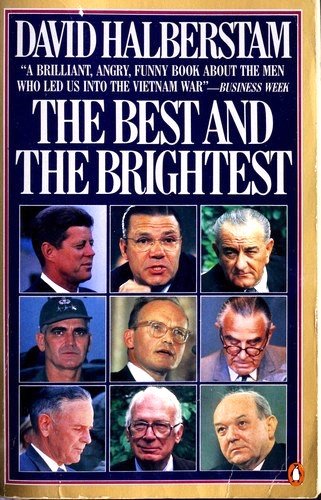
There is a chasm between intellect and wisdom. My husband, Robert, a prolific reader of history, shared a story by the journalist, David Halberstam. Halberstam, the author of the 1972 book The Best and the Brightest, about the origins of the Vietnam War, detailed in his book Lyndon Johnson’s first visits to JFK’s cabinet meetings with, among others, the brilliant McNamara and Kennedy’s advisor, Ted Sorensen. Others assembled were also the brightest minds in the country. Johnson went back to his old friend, Sam Rayburn, the longest-running Speaker of the House in our country, just overcome with a feeling of awe and perhaps inadequacy. Rayburn reminded Johnson that there is a difference between wisdom and knowledge or intellect.  Rayburn is quoted as saying, “They may be just as intelligent as you say. But I’d feel a helluva lot better if just one of them had ever run for sheriff.”

Knowledge or intellect is learning, investigating, researching, and studying facts and data. Wisdom is knowledge with experience, discerning which facts are correct and how the knowledge can best be applied to your life.

Knowledge is knowing where babies come from. Wisdom knows how to care for them. Knowledge is learning the distance between here and New York City. Wisdom knows what to pack for the trip.

We belong to the information age.  There is no lack of information and data. All of us on this spiritual journey are gathering information about a multitude of spiritual tools and knowledge to guide and help ourselves and others.

Wisdom will be digesting what we learn, taking it inside, and seeing what is truly the right meal for us and those who come for spiritual direction at different times in our lives and theirs.

An essential tool in discerning wisdom is listening with the heart to the spiritual friends who visit with us, and listening actively to hear how our experience, the present world, and nature around us intersect with our lives and theirs.

Joanna  joannaseibert.com

 

Forgiveness

Mary Dwyer: Forgiveness

"Forgiveness is not forgetting, not condoning, not a form of absolution, not a pretense, not a once and for all decision, and not a sign of weakness but of strength."—Mary Dwyer, One Day Retreat of Contemplative Outreach, Learning to Forgive, February 10, 2018, St. Mark's.

At a forgiveness workshop with Mary Dwyer from Contemplative Outreach, Ltd., at St. Mark's, we learned some basics to start the journey of forgiveness. She reminds us that forgiveness is the only conditional part of the Lord's Prayer, "forgive our sins, as we forgive others."

Reconciliation involves both parties. Forgiveness involves only one party.

 Mary cautioned us about forgiving too soon.

She used the process from Fr. William A. Meninger's book, The Process of Forgiveness. The first stage of beginning to forgive involves claiming the hurt, often by writing about it.

 Telling our story is also a significant part of Bishop Tutu's book, The Book of Forgiving. In the second stage of healing, we feel guilty that we might have done something wrong that caused harm. Here, we are healed by comforting our inner child.

In the third stage, we see ourselves as the victim. Mary gave examples of how so many people get stuck in this stage. Their whole life centers around some hurt many years ago. Support groups help in this stage, as we see we are not the only ones harmed. 

In the fourth stage, we become angry about the hurt. Anger brings tremendous energy and clarity. If we can transform that energy, we start to heal, releasing this energy, and becoming whole again.

What helps me the most is knowing that the person who has harmed me is still hurting me as long as I cannot forgive them. 

Mary then described a process of active imagination with God and the person who harmed us, called the Forgiveness Prayer. After a period of Centering Prayer, we imagine our sacred space with God very close to us. Mary imagines she is sitting in God's lap. Some imagine being at a quiet, contemplative service.


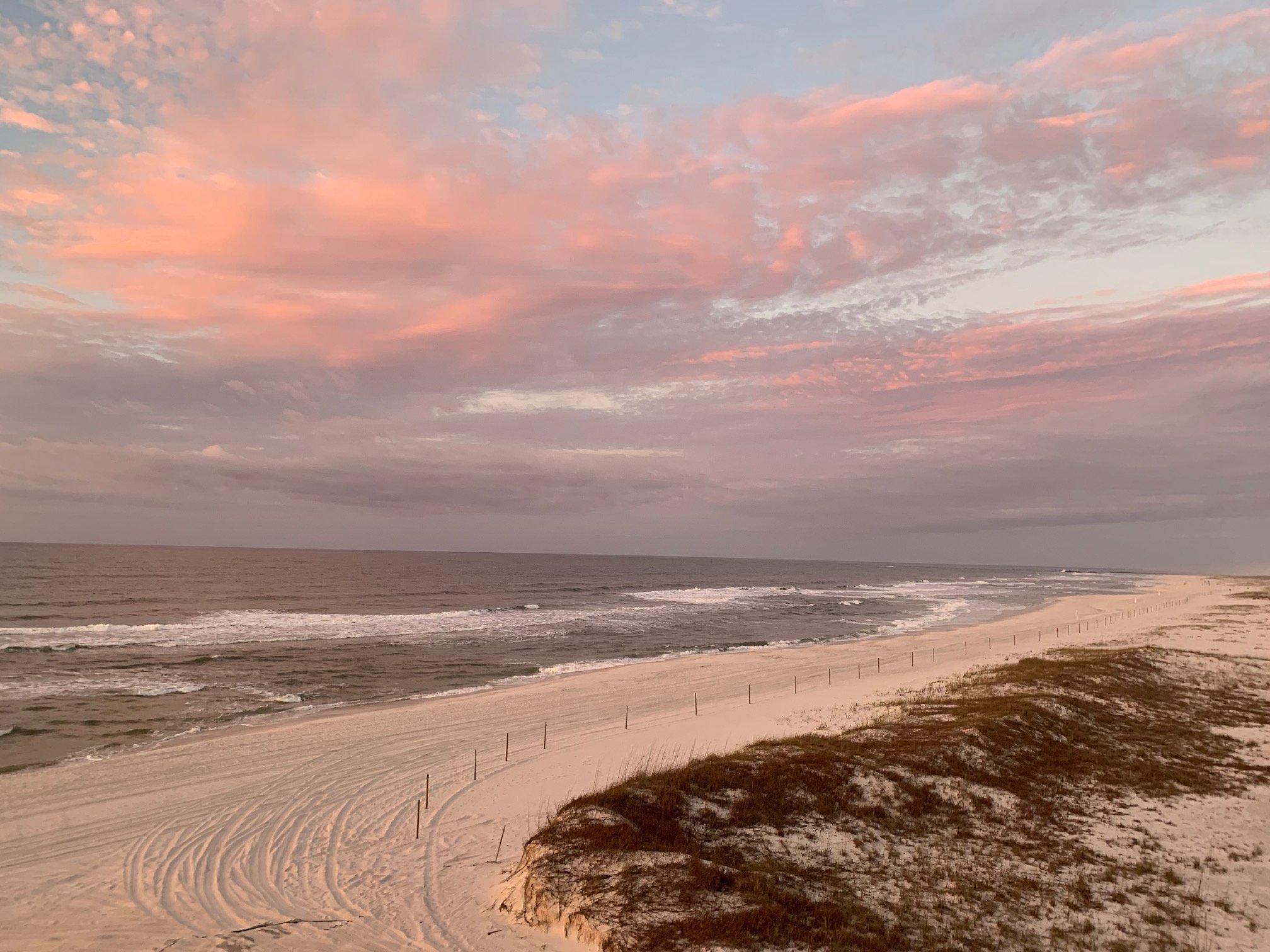
My sacred space would be sitting on the white sandy beach by the ocean, watching the waves come gently in as the seagulls fly in and out at the water's edge. We then invite someone who has harmed us to come into our space. We tell them all that they have done to hurt us. Next, we ask them whether we have hurt them and ask them for forgiveness.

Sometimes, having a picture of the person who harmed us may help us speak to them. This is not a one-time event but requires many encounters. The Forgiveness Prayer is helpful for me when the person who harmed me refuses to talk about it. The Prayer allows us to speak to that person in a safe place where we cannot be injured again and acknowledge our mistakes.

Mary also recommends praying daily for the person who has harmed us until we are ready to forgive.

Joanna  https://www.joannaseibert.com/

Metaphors and Children's Books

Metaphors and Children’s Books

Guest Writer: Isabel Anders

“Metaphors are experience’s body doubles, standing in for actual objects and events. … Mental images can have the same effect on the body and the mind as actual physical events.”  —James Geary.

Traveling by Metaphor

In James Geary’s book I Is an Other: The Secret Life of Metaphor, he points out that our neural systems for language, action, and metaphorical thinking overlap in the brain. 

Jesus’ parables and other analogies in the Gospels make gold of this connection through stories and examples that still spark recognition—and sometimes action—in those who look to them for guidance.

We can’t decide in advance how to react to any given situation life might throw at us. However, establishing patterns of recognition, acting in small ways in accord with true values, and acknowledging our own will as part of the mix can significantly enhance our spiritual journeys.

In Oshan Jarow’s words, life may be “one big process of creatively optimizing prediction as a survival strategy in a universe otherwise tending toward chaos.” Metaphors are a creative step in deciding what to do next and what might ensue if we do (or don’t). We encounter them primarily in the story, in what happens to both fictional characters and actual people, and in what we can learn from them.

Experts in both language and behavior have repeatedly shown that emotions and compelling stories, not facts alone, are what move us, motivate us—and perhaps will save us.

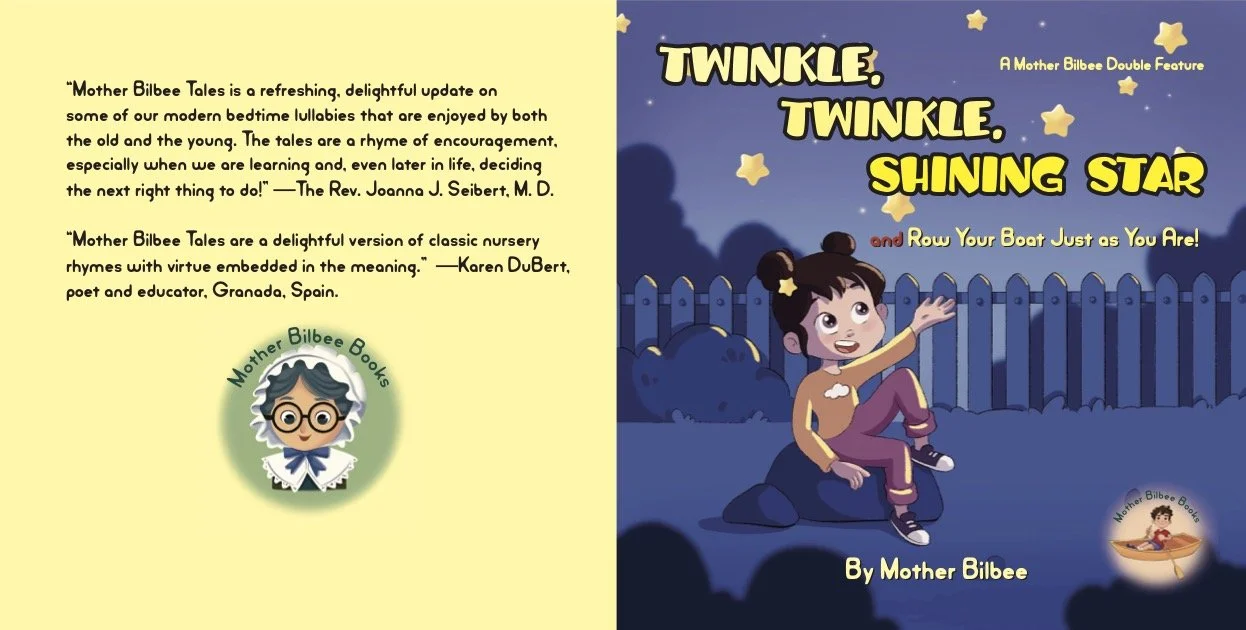
 As Mother Bilbee, Isabel Anders builds a library of fresh, relevant, and ethical nursery rhymes and tales in the fourth Mother Bilbee book, Twinkle, Twinkle, Shining Star, and Row Your Boat Just as You Are! 

Isabel Anders

Joanna  joannaseibert.com