Scripture, Ignatian Exercises and College of Preachers

Reading Scripture: Ignatian Exercises and College of Preachers
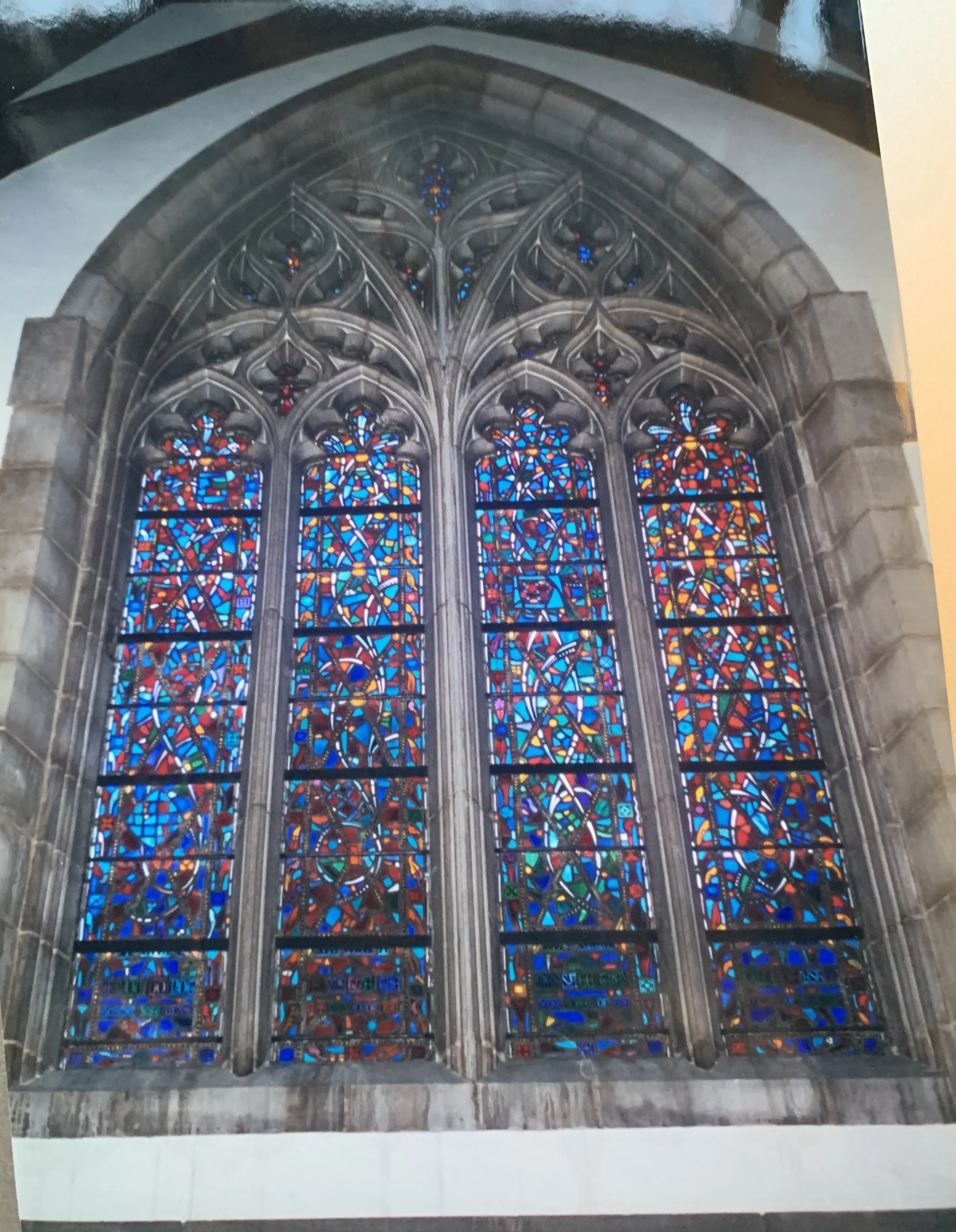
Refectory former College of Preachers National Cathedral

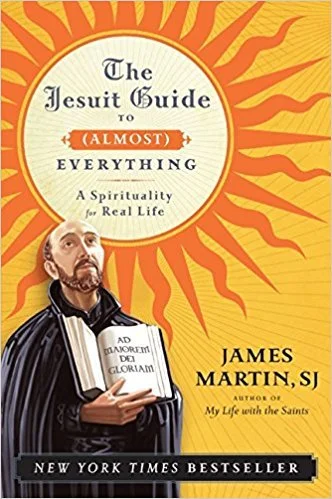
“Take a passage from scripture that you enjoy. Then, Ignatius invites you to enter into the scene by ‘composing the place,’ by imagining yourself in the story with as much detail as you can muster.”—James Martin in The Jesuit Guide to (Almost) Everything (HarperOne, 2010). 

Ignatius practiced spirituality by taking himself and us deep into the story of  Scripture in our imagination and sometimes literally. First, we start with the senses: seeing, hearing, smelling, tasting, feeling. Then, as we live inside the story, Ignatius asks us to consider what insights might come. Soon, in our imaginary journey, we can travel in time and find ourselves back in the Scripture itself, with a more profound understanding than when we were intellectualizing the story in our heads.
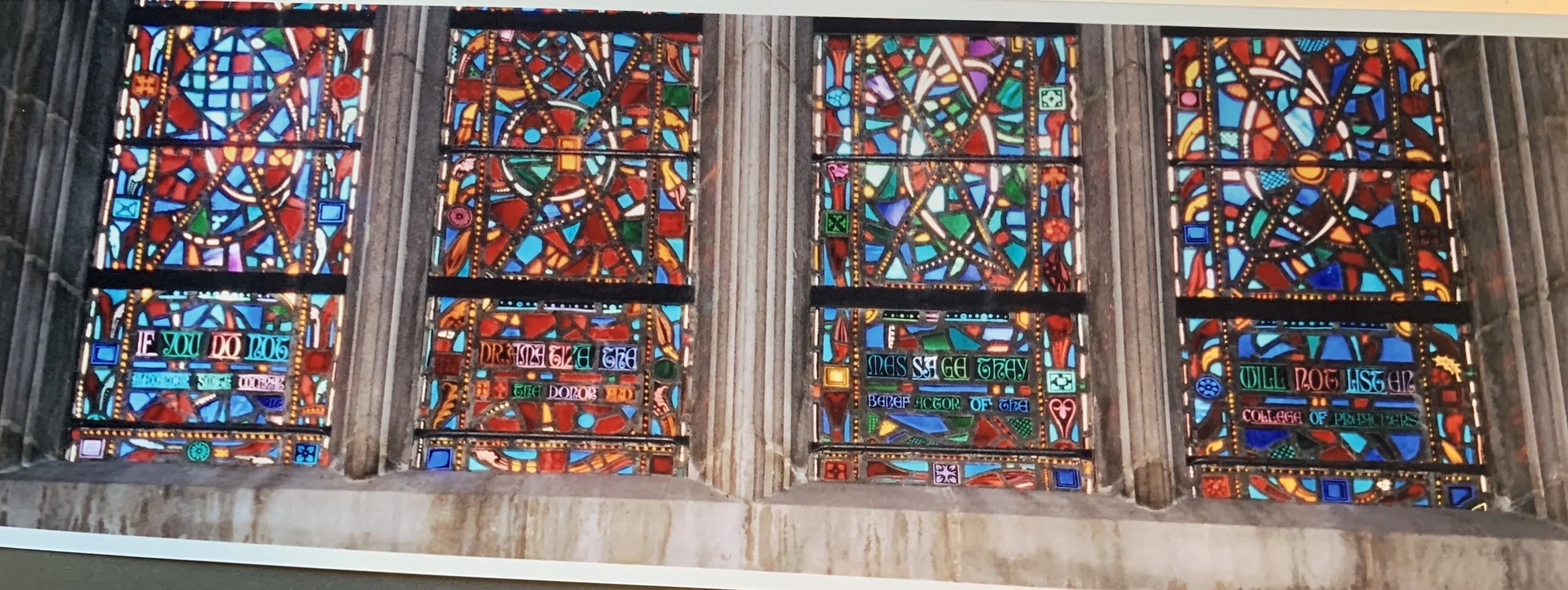
Refectory College of Preachers

In stained glass, the front of the refectory at the College of Preachers at the National Cathedral was written: “If you do not dramatize the message, they will not listen.” You can see this from many viewpoints. However, it said to me that the preacher was to help those in the congregation “experience” the Scripture—usually the Gospel, as Ignatius asks us to do. My experience was that I could best do this by taking myself and all who would like to journey into the story, becoming one of the characters, experiencing Jesus’ feelings, knowing his hopes and fears, frustrations, loves, and passions, his humanness.

This is also good advice for spiritual friends whose study of Scripture has become stale.
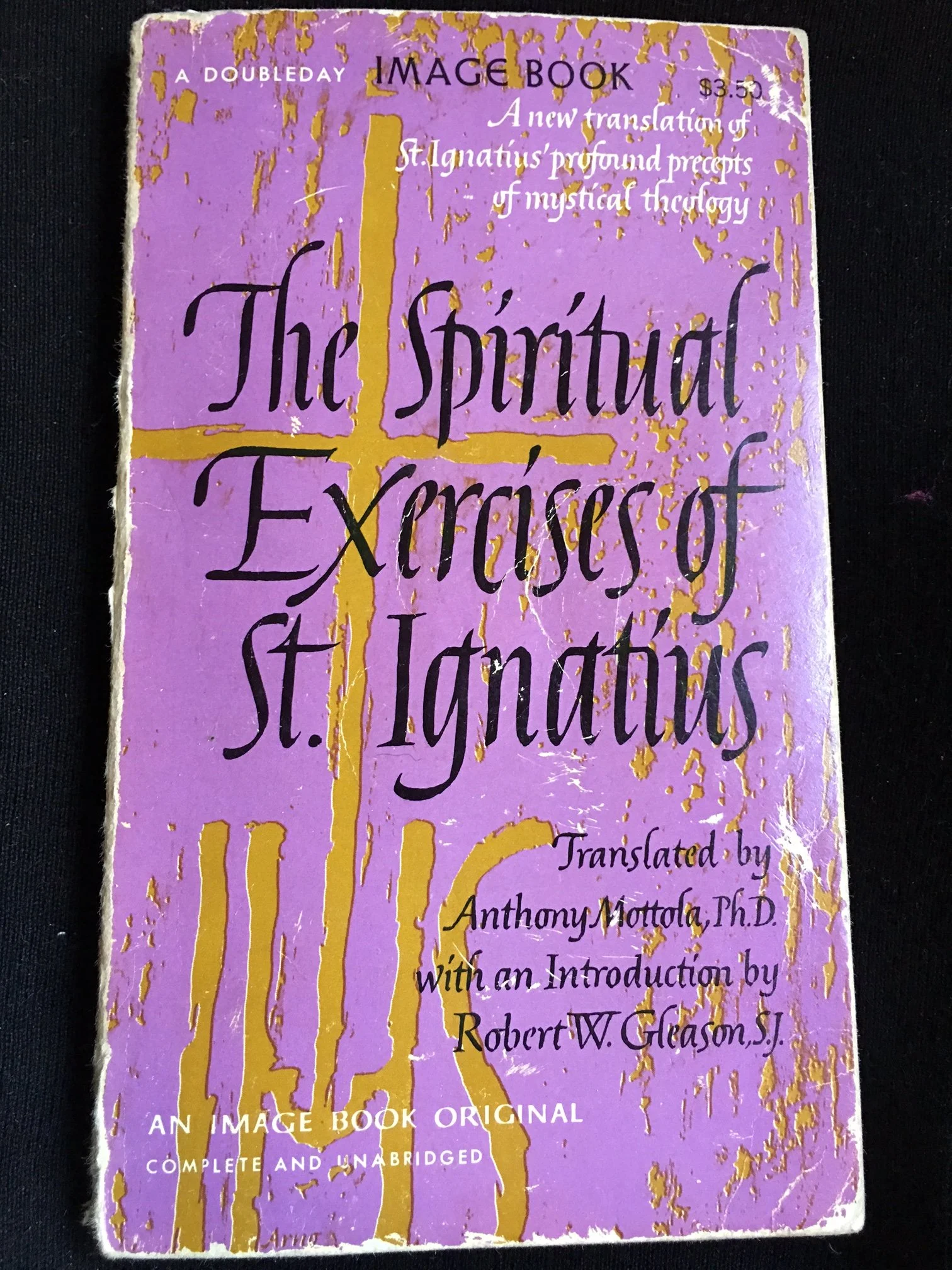
In the Image Classics series, I was first exposed to the Ignatian exercises and this method of studying Scripture in a small purple book, The Spiritual Exercises of St. Ignatius. I now know there are so many more. A priest I work with, Michael McCain, recommended this one by James Martin.
It is hard to become dry when we actually go into a story in Scripture and become a part of it. We will hear voices we have never heard before.

Ignatius offers us a new way to look at scripture. We are offered something new during these difficult times from someone who lived so many years ago and also knew hurt and pain.

Breaking News!

 The National Cathedral has reopened a renovated College of Preachers building, now called the College of Faith and Culture, with Jon Meacham as its first canon historian at the National Cathedral!

Joanna joannaseibert.com
 

Pressing the Space Bar in Our Lives

Wiederkehr: Pressing the Space Bar in Our Lives

“Long ago, when I was learning to type, I used to delight in typing letters to my friends without pressing the space bar. Now, when you don’t press the space bar, you’ve got a real mess, and much decoding must be done. The spaces in between enable us to understand the message.”—Macrina Wiederkehr in The Song of the Seed: A Monastic Way of Tending the Soul (HarperOne, 1997).

I remember reading this message from Sister Wiederkehr more than twenty years ago, and it still jumps off the page for me. She reminds us that many forget to press the space bar in our lives. She calls it hurry sickness. After finishing this email, project, phone call, or meeting, we will rest. But we always have something else to do, and the rest never happens. Macrina calls us to regular spaces of contemplation, meditation, or silence at intervals in our lives.

One of my favorite definitions of such a “space” is to stop what we are doing and attend a Quaker meeting in our heads. Macrina reminds us of a Native American admonition to listen, or our tongue will keep us deaf! I often experience this when I wake up in the morning, and suddenly, answers or ideas come to me after that long rest during the night. Likewise, when I stop to pray at daily intervals, life is more peaceful.

But I can so easily become the driver of a Mack truck coming down a steep hill without brakes, and hurriedly rushing during the day from task to task without stopping.

Today, my best help with “spacing” is looking up intermittently from my floor-to-ceiling window on the other side of my desk to watch the birds at my feeder. Sometimes, they actually chant and call me to prayer.

My husband gave me a clock that sounds the hour with a bird call. Every hour, I now also hear a call to stop and say a short prayer, usually the Jesus prayer. This has been a great gift.

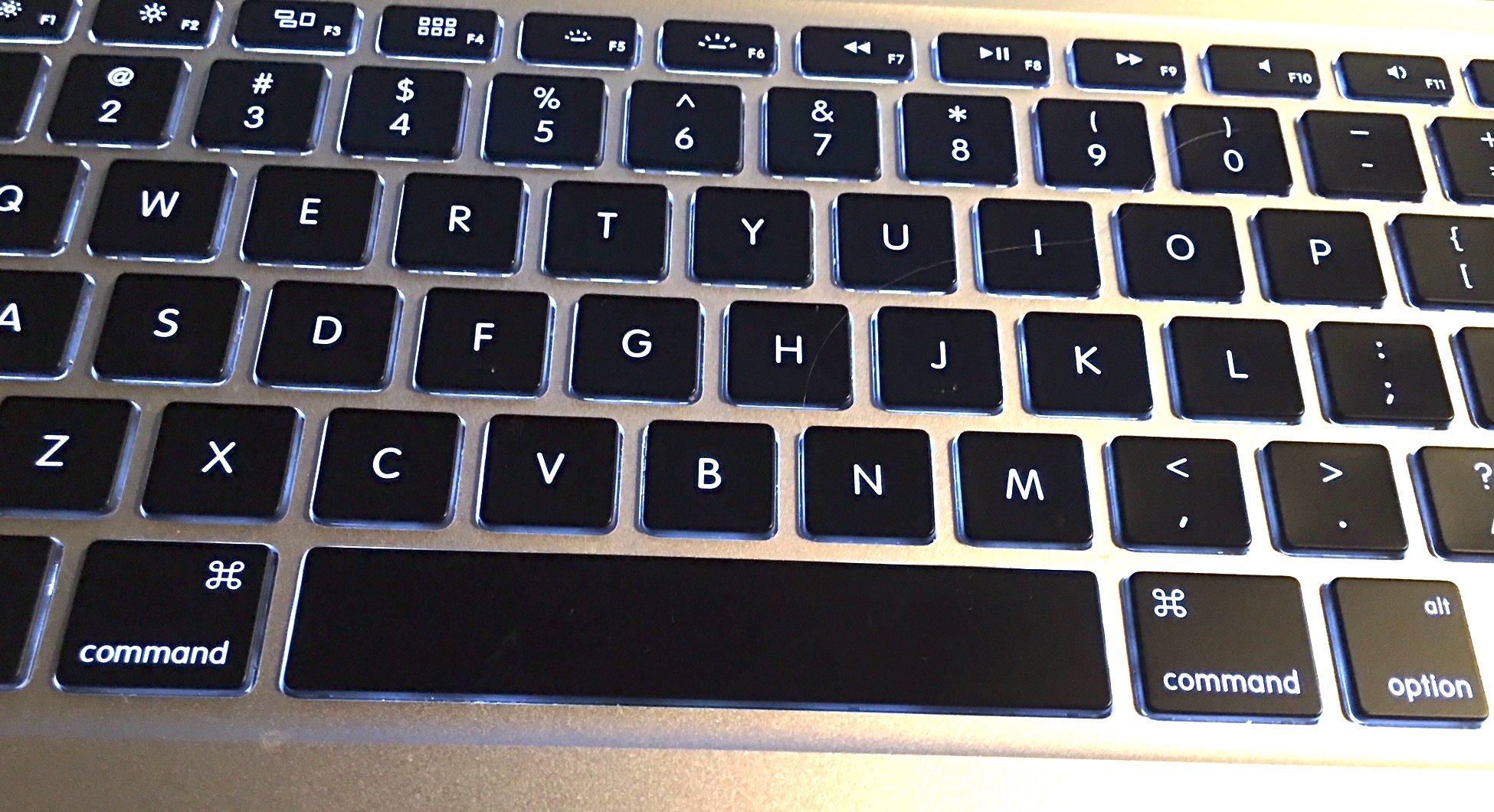
Our computers and iPhones also speak to us. Have you ever noticed how much bigger the space bar is than the letter keys?

Give thanks today for Macrina and the many lives she has touched in Arkansas and around the world.

Wisdom from the Harp

Wisdom from the Harp

“For the elements changed places with one another,

as on a harp, the notes vary in the nature of the rhythm,

while each note remains the same.”—Wisdom 19:18.

This ancient verse describes music well, especially the harp.

I began a journey with this classical instrument over forty years ago when my daughter begged for a whole year to get a harp.

A Midrash tradition is that David's harp strings were made out of the tendons of the ram offered as a sacrifice instead of Isaac. The Psalms suggest that David’s harp had seven, eight, or possibly ten strings. This Celtic lever harp has 34 strings; the larger Troubadour lever harp I play has 36. A full-sized pedal harp has 47 strings.

The strings are the piano’s white keys, so it is easy if you understand the piano. Next, you lean the harp against your body so you can hear the vibrations and feel the music within you.

The harp has taught me so many lessons about life, other than the discipline of trying to master a technique for following and plucking strings.

When one string breaks, it is challenging to continue playing. Part of playing is knowing the relationships between the strings. Now, a gap, large or small, changes the entire road map. I must take the time to replace the string as soon as possible.

Then it takes days or weeks for that new string to stretch and be in tune. Then, finally, it must be “mentored,” so to speak.

Almost every atmospheric condition changes the harp strings. Constant tuning is mandatory. My husband loves the old joke about harpists. “We spend half our time tuning and the other half playing out of tune!”

On this musical journey, the harp has become an icon for living and working in community.

Its constant need for tuning reminds me how much I must try to stay current, learning, and staying in relationship with what is happening in the world around me.

If I don’t, I become “out of tune,” either too sharp or too flat.  

Joanna https://www.joannaseibert.com/