Keating, Bourgeault: Centering Prayer

Thomas Keating, Cynthia Bourgeault: Centering Prayer
“God can be held fast and loved by means of love, but by thought never.”    —The Cloud of Unknowing, Ira Progoff, tr. (Delta Books, 1957).

In Centering Prayer, we select a sacred word as the symbol of our willingness to surrender to the presence of God. We sit comfortably, eyes closed in silence, and introduce the sacred word. Whenever thoughts return, we silently speak the sacred word. At the end of the prayer period, we remain silent, eyes closed for a few minutes.

Thomas Keating suggests practicing Centering Prayer for twenty minutes twice a day. Is Centering Prayer a simple letting go of one thought after another? That can certainly be our subjective experience of the practice, and this is exactly the frustration we sometimes encounter during Centering Prayer and Lectio Divina.

Keating tells the story of a nun who tries out her first twenty-minute experience of Centering Prayer, and then laments, “Father Thomas, I’m such a failure at this prayer. In twenty minutes, I’ve had ten thousand thoughts!” “How lovely,” responded Keating. “Ten thousand opportunities to return to God.”

Keating emphasizes that Centering Prayer is indeed a pathway of return to God, and this may be what the writer of The Cloud of Unknowing was trying to tell us.1 We also need to remember that the benefit of Centering Prayer does not always come during the prayer time, but sometimes later in the day or week, when we feel God’s presence at the moment, as we never knew it before. This truth is expressed best in several of the promises in The Big Book of Alcoholics Anonymous: “We will intuitively know how to handle situations which used to baffle us.”2

1Adapted from Cynthia Bourgeault, The Heart of Centering Prayer: Nondual Christianity in Theory and Practice (Shambhala, 2016), pp. 14, 28-29, 120, 123. From Richard Rohr’s Daily Meditation, February 11, 2017, Cynthia Bourgeault, guest writer.

2The Big Book of Alcoholics Anonymous (Alcoholics Anonymous World Services, Inc., 4th ed., 2001), pp. 83-84.

Another spiritual practice that may be helpful to try during these difficult times.

Joanna joannaseibert.com.  
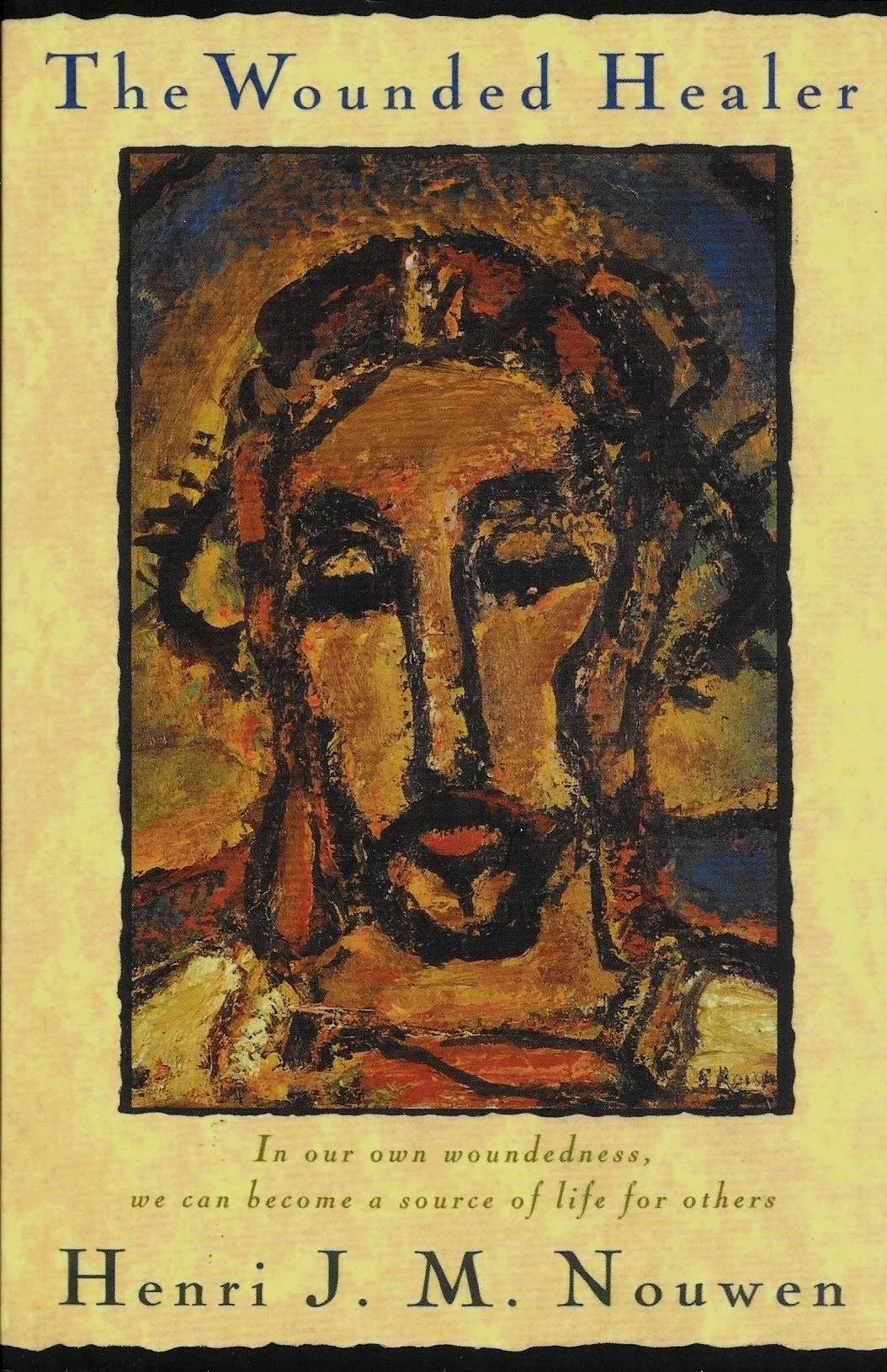


Wounded Healers

Charleston: Recovery and Compassion

“Those who have been broken, in mind, body, or spirit, who have been humbled and hurt, but have made their way back, held on and kept going, sought forgiveness and found redemption, discovered a healing they never expected. To all those who understand this experience without the need for further words, I offer this recognition: you are the sisters and brothers of compassion, the ones who know what it feels like, the ones who are witnesses to life reclaimed. Be blessed in your recovery, for each one of you is a source of faith for so many, who see in you the answer to a prayer they ask for themselves.”   —Steven Charleston, Facebook Meditation.

So many spiritual writers continue to tell us this truth, as does our own experience. We become healers of the suffering in this world because we also know the face and body of internal and external injury. This is the continual story of how Easter can follow Good Friday. Once we have experienced suffering, we can learn about and experience compassion, compassion shown to us by others who also know about wounds, as they were ministered to by others who also were wounded. This can become the cycle of compassion.

There is a choice, however. We daily encounter those who endure their suffering by causing more pain to others, demanding an “eye for an eye and a tooth for a tooth.” This is the life of fear and retaliation, hurting others before they can hurt us.

Perhaps those who are so fearful were influenced by individuals who never knew compassion, so they learned only to inflict more suffering.

Perhaps we can help break this cycle through compassion, listening to others’ stories, and hoping they will share how their woundedness began. This is what spiritual friends do.

As we listen to each other, we look for sparks, compassion, the presence of God in our mutual suffering. We remind each other that this presence is always, always there—sometimes in people and places where we least expect it: in tears, the hug of a child, the nurse or physician or X-ray technologist who makes eye contact and holds our hand when they see our pain; the aging, disabled woman at the food pantry who tells us to have a blessed day. Our wounds can be openings for the presence of God, the great healer, in our lives and in the lives of others.

Joanna joannaseibert.com


Scripture, Ignatian Exercises and College of Preachers

Reading Scripture: Ignatian Exercises and College of Preachers

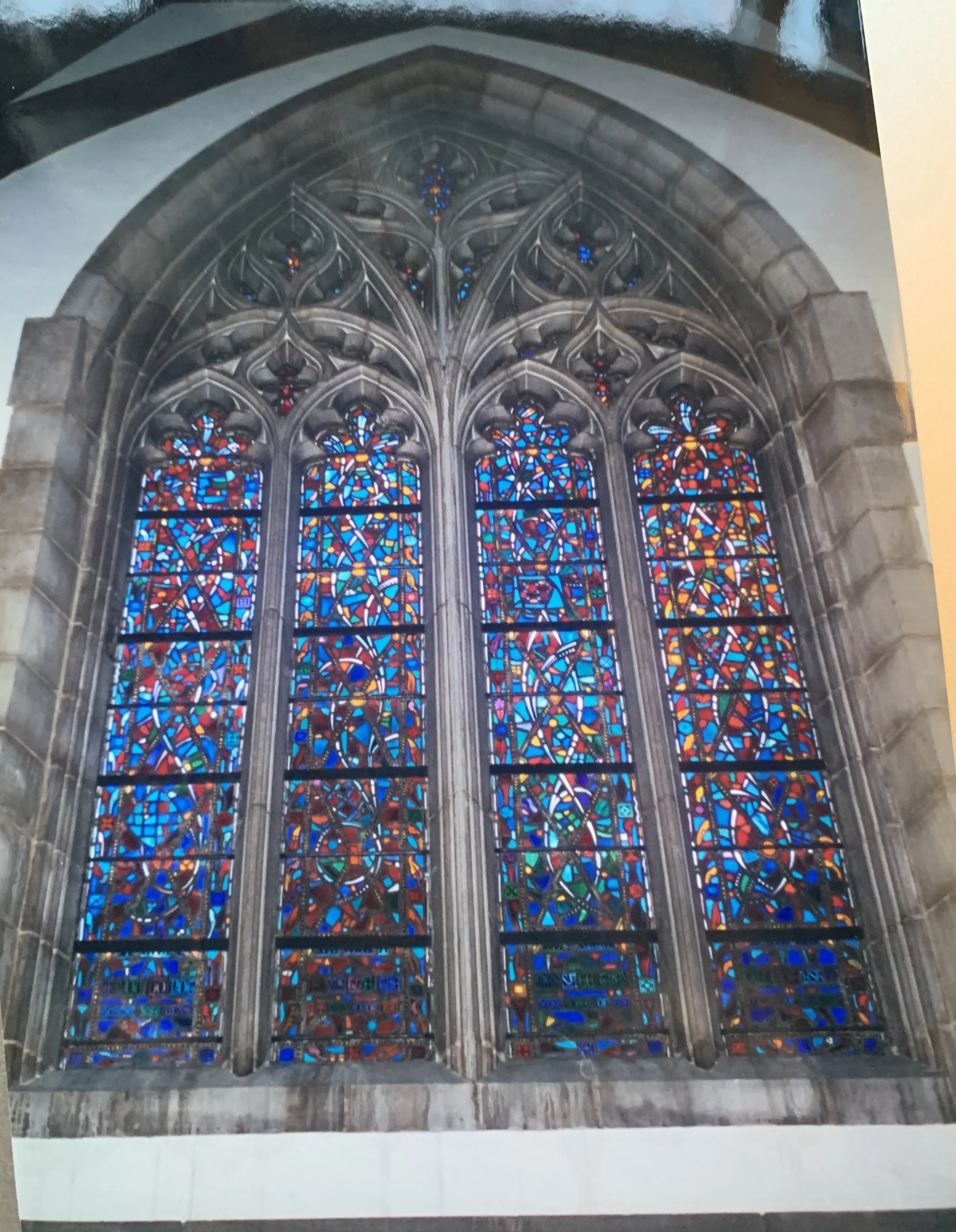
Refectory former College of Preachers National Cathedral

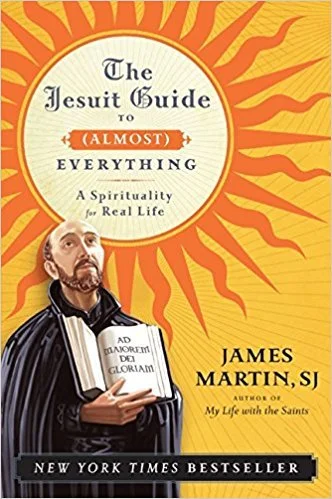
“Take a passage from scripture that you enjoy. Then, Ignatius invites you to enter into the scene by ‘composing the place,’ by imagining yourself in the story with as much detail as you can muster.”—James Martin in The Jesuit Guide to (Almost) Everything (HarperOne, 2010). 

Ignatius practiced spirituality by taking himself and us deep into the story of  Scripture in our imagination and sometimes literally. First, we start with the senses: seeing, hearing, smelling, tasting, feeling. Then, as we live inside the story, Ignatius asks us to consider what insights might come. Soon, in our imaginary journey, we can travel in time and find ourselves back in the Scripture itself, with a more profound understanding than when we were intellectualizing the story in our heads.

Refectory College of Preachers

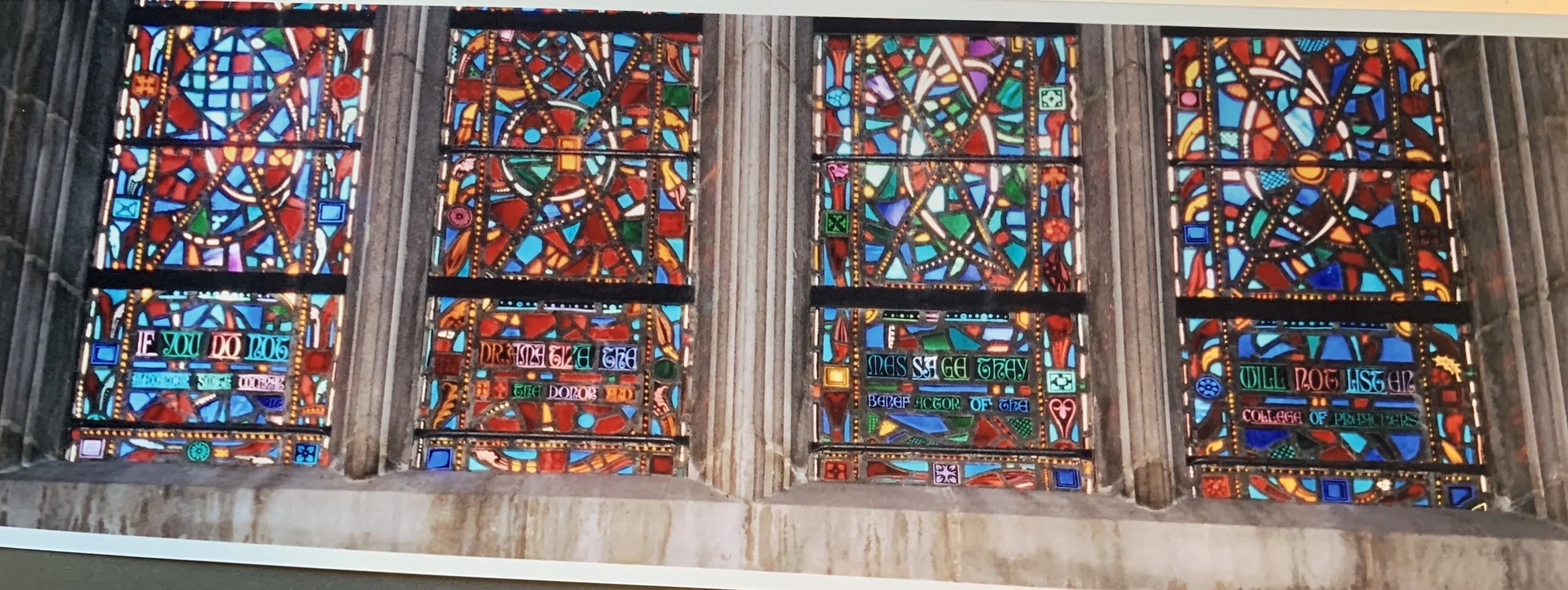
In stained glass, the front of the refectory at the College of Preachers at the National Cathedral was written: “If you do not dramatize the message, they will not listen.” You can see this from many viewpoints. However, it said to me that the preacher was to help those in the congregation “experience” the Scripture—usually the Gospel, as Ignatius asks us to do. My experience was that I could best do this by taking myself and all who would like to journey into the story, becoming one of the characters, experiencing Jesus’ feelings, knowing his hopes and fears, frustrations, loves, and passions, his humanness.

This is also good advice for spiritual friends whose study of Scripture has become stale.

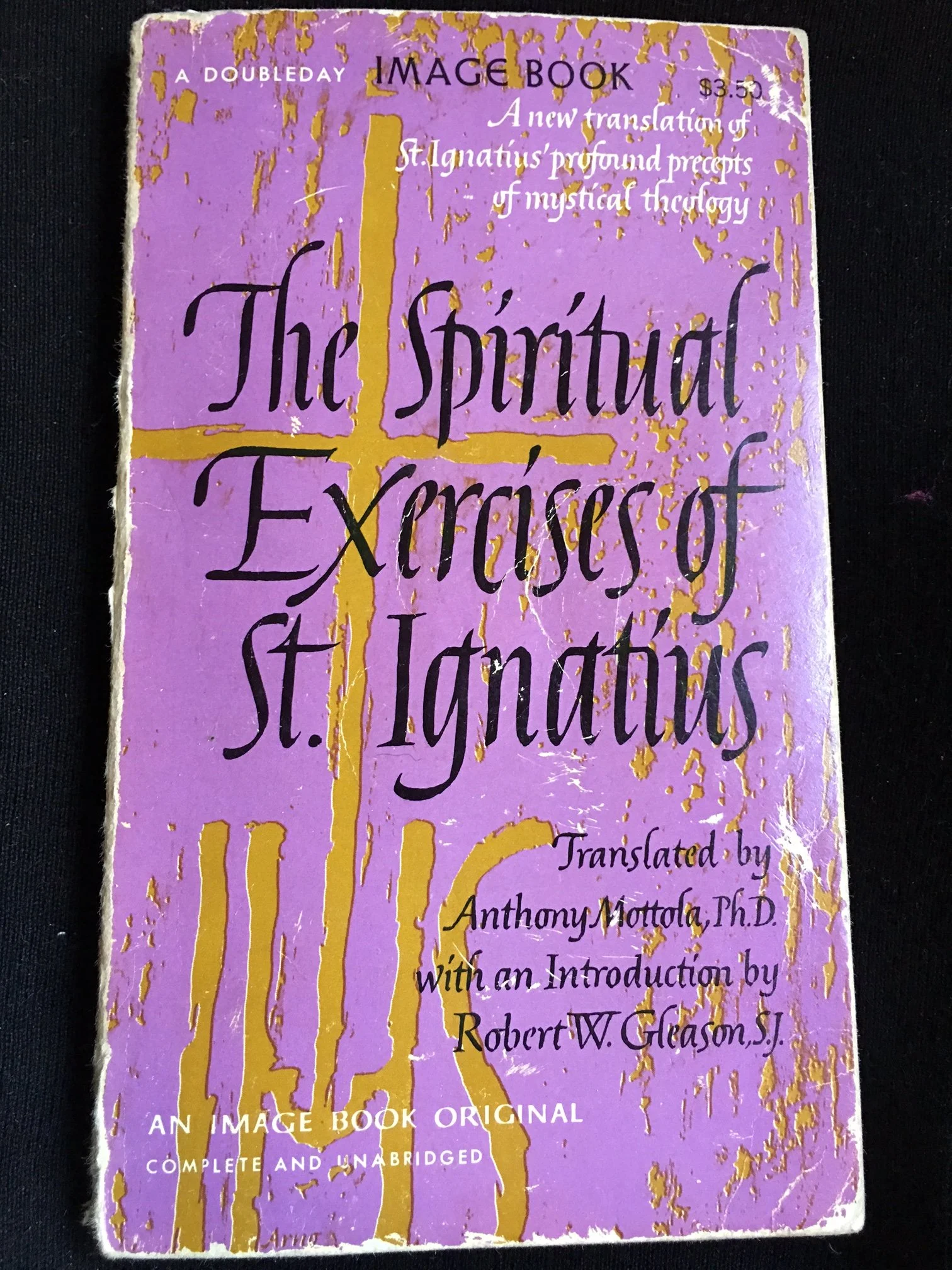
In the Image Classics series, I was first exposed to the Ignatian exercises and this method of studying Scripture in a small purple book, The Spiritual Exercises of St. Ignatius. I now know there are so many more. A priest I work with, Michael McCain, recommended this one by James Martin.

It is hard to become dry when we actually go into a story in Scripture and become a part of it. We will hear voices we have never heard before.

Ignatius offers us a new way to look at scripture. We are offered something new during these difficult times from someone who lived so many years ago and also knew hurt and pain.

Breaking News!

 The National Cathedral has reopened a renovated College of Preachers building, now called the College of Faith and Culture, with Jon Meacham as its first canon historian at the National Cathedral!

Joanna joannaseibert.com