Learning to Love

Learning to Love

“Hatred stirs up strife,

   but love covers all offenses.”—Proverbs 10:12.
We are all banking on this being true. I think of all my offenses, the evil I have acknowledged the harm I have done, whether consciously or unconsciously, and the friends and family members I have hurt. I make amends for the damage I have done, but mostly, I try to make living amends.

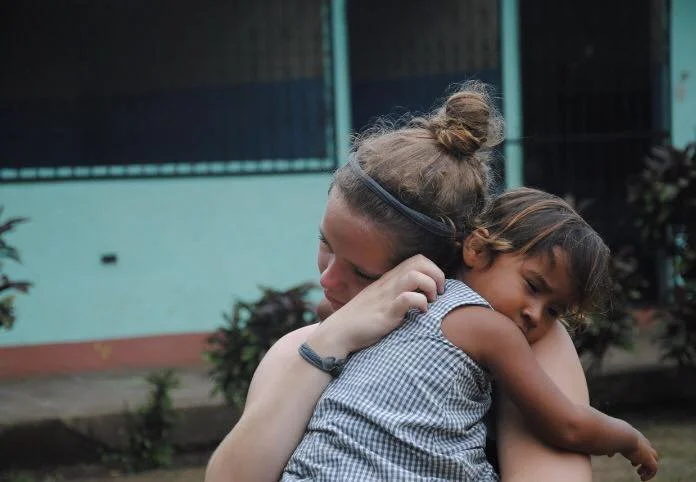
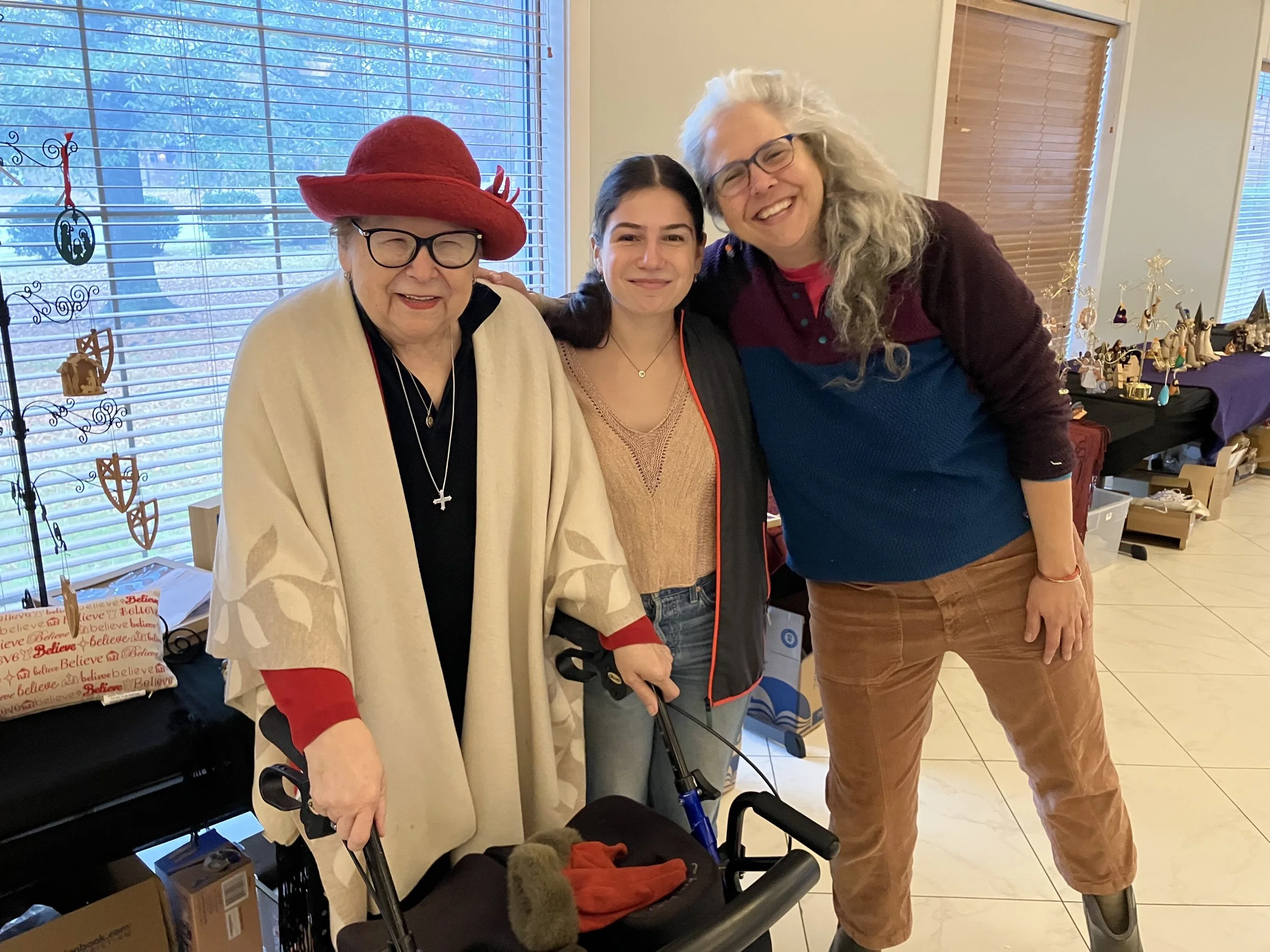
I hope to learn to love how my granddaughter, Langley, is supporting this young child on her mission trip. I want to hold the Christ in others close and tell them what a treasure they are. I want to see Christ in them. This is what spiritual friends do for each other. They affirm and stand by  God’s love in one another. 

Lately, I am paying it forward more often. If I can't make amends to the person I harmed, especially if they have died, I now show the love I wish I could have given them to someone else. Paying it forward means showing love to someone who has done nothing for us, especially someone we don't know and who feels loveless. Still, making amends directly to the person we hurt will always be the most freeing. 

I try, I judge, I make mistakes, I mess up, I hurt others, I make amends; I try to show the love that has often been unconditionally given to me, and the cycle repeats itself again and again. It is a circular path. It is the human condition. Still, I try to stay connected to this circular journey with others who know more about love than I do, and I hope to learn from them. I can easily see Christ in them; sometimes, they can see Christ in me, guiding me back onto the path of love. 

Today, I learn the most about love from my grandchildren. It's a circular path: I first learned about love from my grandparents many years ago.

Joanna https://www.joannaseibert.com/
 

De Mello: Putting Times of Joy in a Mental Album

De Mello 2: Albums and Awareness

This return to past scenes where you felt love and joy is one of the best exercises I know for strengthening your mental health.—Anthony de Mello in Sadhana: A Way to God (Image Books 1978), pp. 72-73.

I must admit I decided to read Anthony de Mello’s book, Sadhana: A Way to God, while studying spiritual direction because it isn’t long, seems like easy reading, and I knew I had a lot coming up in the next few weeks of study! Well, it’s only 140 pages, but it’s the kind of material where you should practice one exercise each day for 140 days or, even better, one exercise each week. There was only one exercise I found too hard to do, and that was Exercise 29, where we imagine ourselves as a corpse decomposing! I have otherwise found each of them so helpful in many ways to connect to God. 

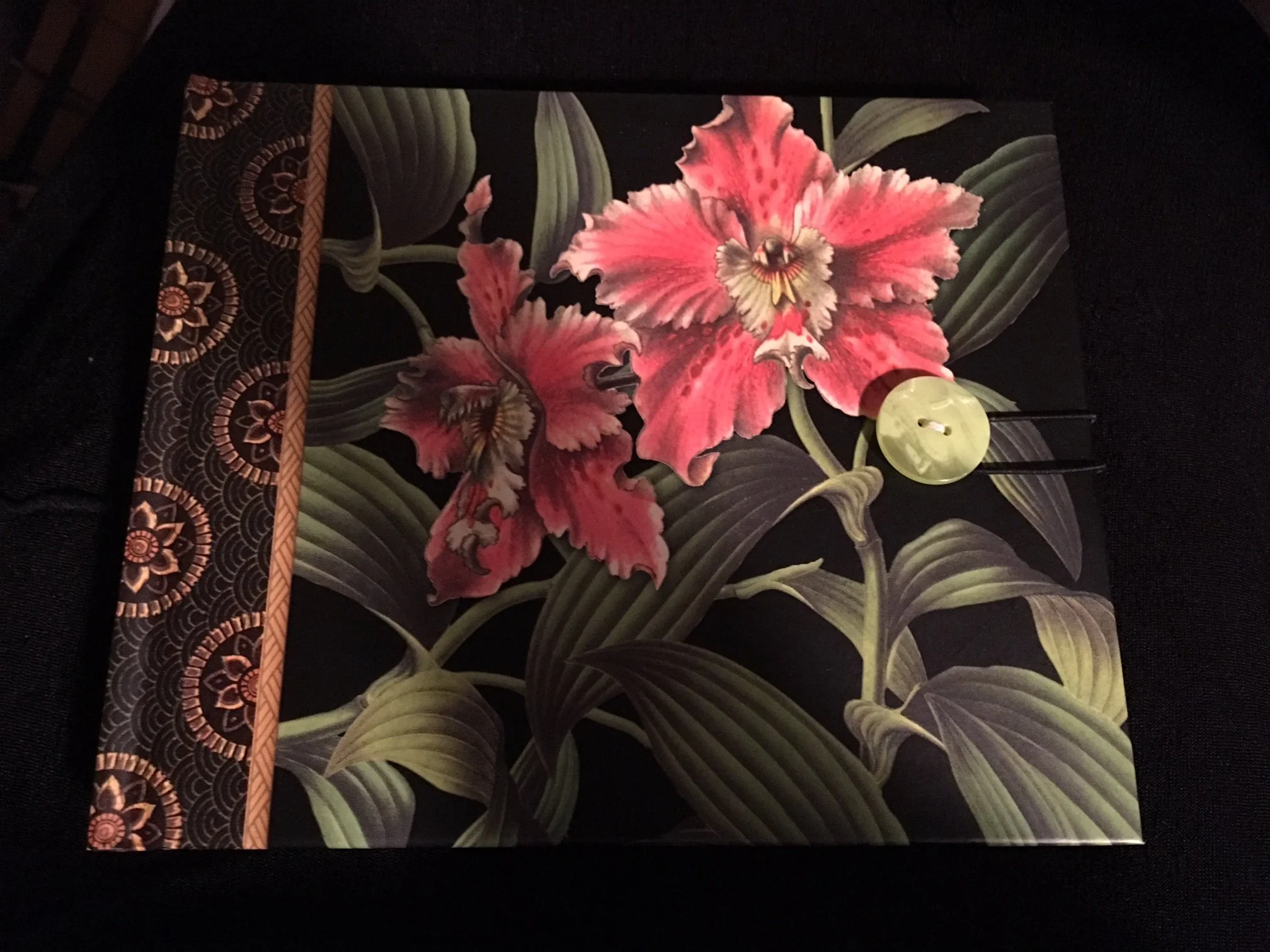
Each exercise was something I wanted to practice. I relate most to the fantasy exercises, especially Exercise 18, the joyful mysteries of your life. Here, we immerse ourselves in joyful moments, recalling details, staying in the present, and feeling joy and love. De Mello then suggests creating an album of these peak experiences to revisit during difficult times—to remind ourselves of the joy in life and the presence of God in those past moments when God may not seem present.  

De Mello explains that when we have memorable experiences, we often do not fully appreciate or absorb the joy of being completely aware of what is happening. He encourages us to revisit the event repeatedly, to replay it mentally, and to feel the love it gave us, allowing ourselves to be nourished again by that experience. He warns us not to be mere observers, but to immerse ourselves completely back into the moment. De Mello believes that recalling these experiences enhances our ability to experience joy and, in turn, opens our lives to more fully receive God’s love.

Joanna joannaseibert.com


Barbara Brown Taylor: Spiritual Practices

Barbara Brown Taylor: Spiritual Practices, Movies, Short Stories

“Anything can become a spiritual practice once you are willing to approach it that way—once you let it bring you to your knees and show you what is real, including who you really are, who other people are, and how near God can be when you have lost your way.”—Barbara Brown Taylor, An Altar in the World.

 I have been in groups that watched for the presence of God in movies, not necessarily religious films. One of my favorites is Places in the Heart, where Sally Field is a recently widowed farmer’s wife in rural Texas during the Depression. She takes in a blind boarder, John Malkovich, and with the help of an African American drifter, Danny Glover, raises and picks cotton to keep her farm. Stop here if you do not want to know more, but the movie ends with all the characters, living and dead, black and white, murdered victim and murderer, kind and unkind, faithful and unfaithful, passing communion and love to each other at their local rural church.

I am in another group that reads contemporary short stories to find the voice of God. We have used a four-volume series, Listening for God, edited by Paula Carlson, an English professor at Yale University, and Peter Hawkins, a religion professor. One of my favorite stories is “A Small Good Thing” by Raymond Carver, about a couple whose child dies and the baker who made him a birthday cake. Spoiler alert! This story also ends with the three of them having a form of communion late at night at the baker’s shop.

We find communion and spiritual practices in our daily lives that lead us to that connection to God that is always there. We only need to open our eyes to see and tune our ears to hear. We can then live in the present moment, where God lives within us, around us, above, and in our neighbor.

Joanna joannaseibert.com https://www.joannaseibert.com/