Nouwen: Easter REsurrections

Nouwen: Easter Resurrections

“When you forget your true identity as a beloved child of God, you lose your way in life.”—Henri Nouwen, “Holy Saturday/Easter Vigil: Be Not Afraid” from Fear to Love: Lenten Reflections on the Parable of the Prodigal Son (Creative Communications of the Parish, 2009).
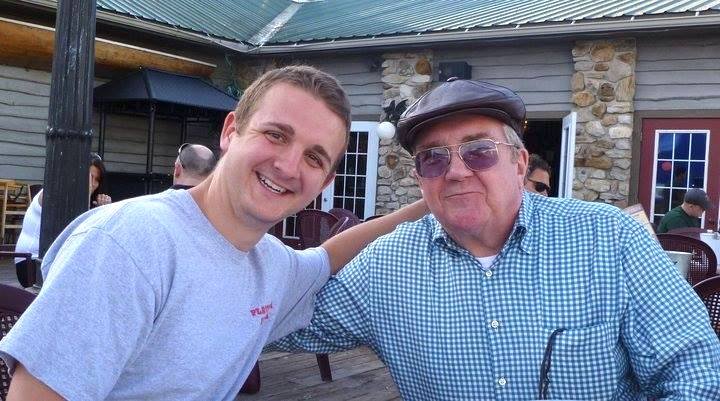
Jim and his grandson

Many spiritual friends I talk to resonate with Nouwen’s Easter message. We lose our true identity for many reasons, usually driven by fear. We forget that God loves us and search for love elsewhere. We stop becoming the person God created us to be and instead become what others or society expect of us. We become people-pleasers, afraid of rejection. We feel insecure, fearful, and scared, seeking relief in power, addictions, fame, money, or attachments to others. We depend on others' opinions or become paralyzed, unable to make decisions. Eventually, we realize we've lost our connection to God. Where can we find help? 

My experience is that help is found in community. We talk with others who can share their connection to God. In recovery groups, this is called “sticking with the winners, staying close to those who have their lights on.” Eventually, we heal and stay connected by reaching out to others who have gone through similar experiences. 

As the alcoholic or addict in recovery stays sober and clean by sharing their story, we talk to someone else seeking recovery and share our story of Resurrection from Good Friday.

Some might not call it Easter, but that’s what it is. I was reminded of this by a dear friend, Jim Waldron, who now lives in the resurrection and became sober on Easter Sunday many years ago.

Resurrections are available to us both in this life and the next. We know this is true because we believe in it and have seen it happen! Resurrections have occurred even during the recent pandemic and the terrible wars in Ukraine and the Middle East. I have seen families who were estranged come together to support each other. This is a time of renewal for our Earth. Then, people begin discussing what is truly important in life.

Joanna joannaseibert.com  https://www.joannaseibert.com/

.


Reflections on the Zero-Sum Fallacy: This is My Body

Guest Writer: Karen DuBert

This is My Body

Reflections on the zero-sum Fallacy

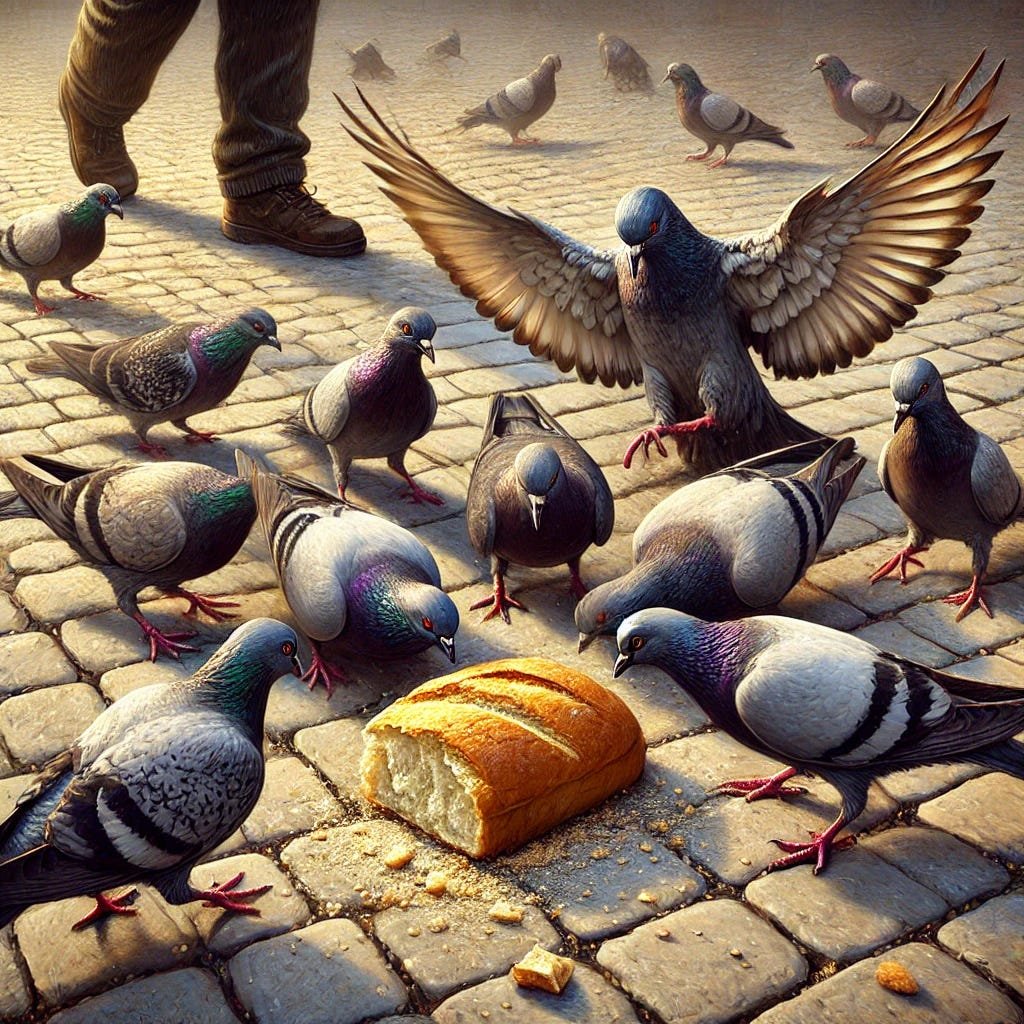
a stand off:

lone pigeon against his world

(a community of seven or eight)

he clings to power

over his stale half-bread

discarded in the

littered plaza.

tentatively they advance

(the seven or eight)

each time he pecks

the bread falls

he struts, they

advance, he shoos

retreat they, and wait

he plucks again

bread rises, falls

hungry, they eye

it—he defends

plenty for all

and more; such small

brains cannot grasp

its immensity

the gift of it.

an outsider with out-

stretched hands approaches

they flutter while

the ragged bun, softly broken,

is scattered wide:

forgotten strife,

the flock, gentled, feeds

across the plaza

ah, in how many worlds

does broken bread

bring peace?


Karen DuBert

Joanna  joannaseibert.com


Buechner: Where To Meet the Resurrected Jesus

Buechner: The Surprise Visits of the Resurrected Jesus

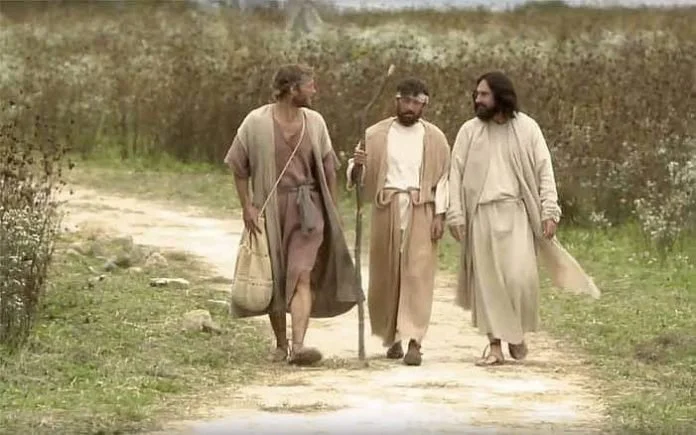
The Road to Emmaus

“Jesus is apt to come into the very midst of life at its most real and inescapable. Not in a blaze of unearthly light, not in the midst of a sermon, not in the throes of some kind of religious daydream, but … at supper time or walking along a road.

This is the element that all stories about Christ’s return to life share in common. He never came from above, but always in the middle of people, in the middle of real life and the questions that real life asks. 

—Frederick Buechner, originally published in The Magnificent Defeat.  

Buechner describes how we see Jesus in our daily lives. We don't need to go on a grand pilgrimage or visit an old cathedral. God is all around us in our everyday moments. Our role as spiritual friends is to help each other recognize God in our daily lives.

 These resurrection stories offer many clues about where and how to find Jesus.

Jesus’s resurrection appearances surprise the disciples on the road to Emmaus, Mary at the tomb, the disciples in the upper room, and the disciples while fishing. Jesus meets people where they are.

Jesus is often not immediately recognized, but Jesus recognizes his disciples! Their ability to see God's presence is hindered. The trauma of the world around them and Jesus’ death have blinded them. 

Jesus engages in everyday activities such as cooking, eating, and walking.

Jesus appears to be an ordinary person but can do extraordinary things, such as walking through walls.

Jesus still bears his wounds, yet they are healed.

Jesus feeds us.

 Jesus calls us by name.

 Jesus appears to ordinary people.

 Except for Jesus’ appearance to Paul on the road to Damascus, he reveals himself to those who know him best.

Most importantly, Jesus speaks of truth, love, and peace.

If you want to learn more about Jesus' resurrection, consider these stories.

Joanna joannaseibert.com  https://www.joannaseibert.com/