De Waal: Trinity Connection
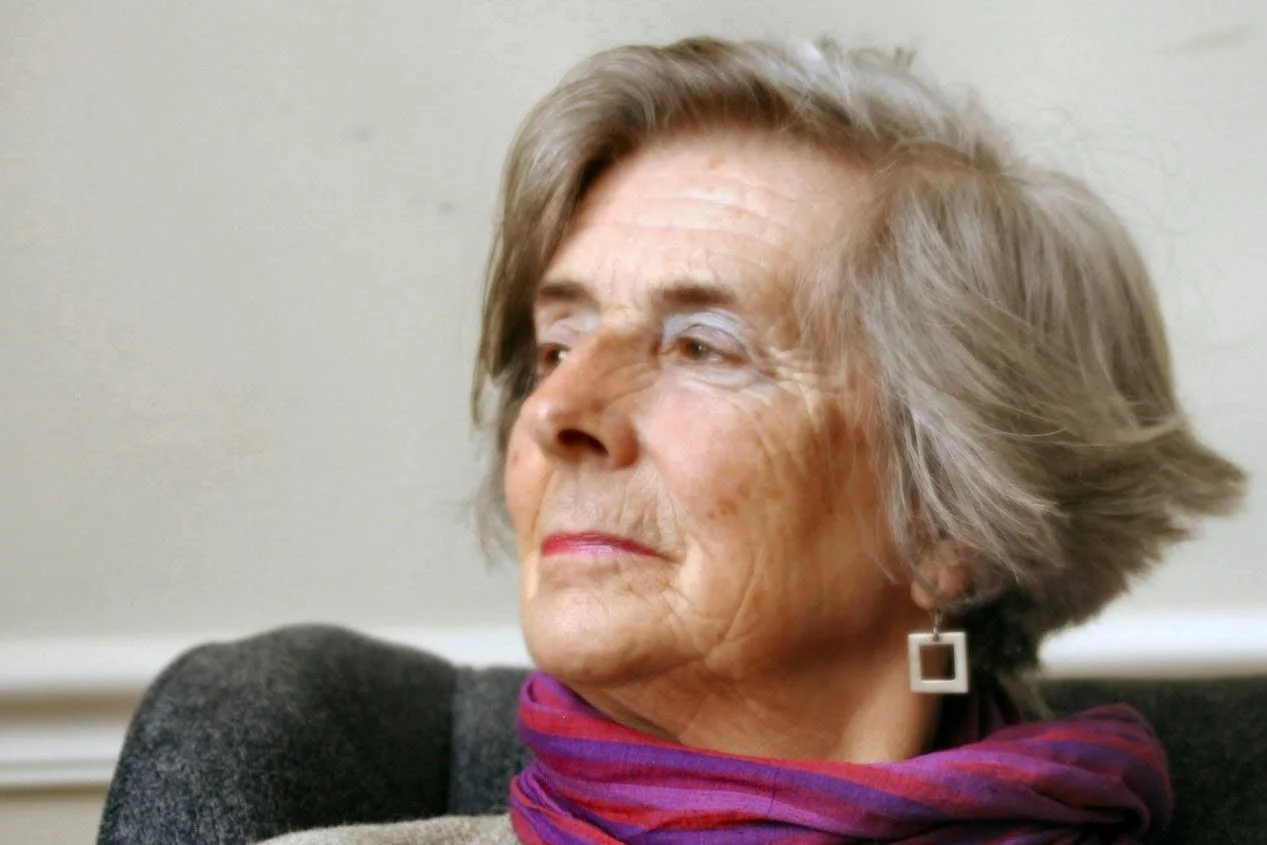
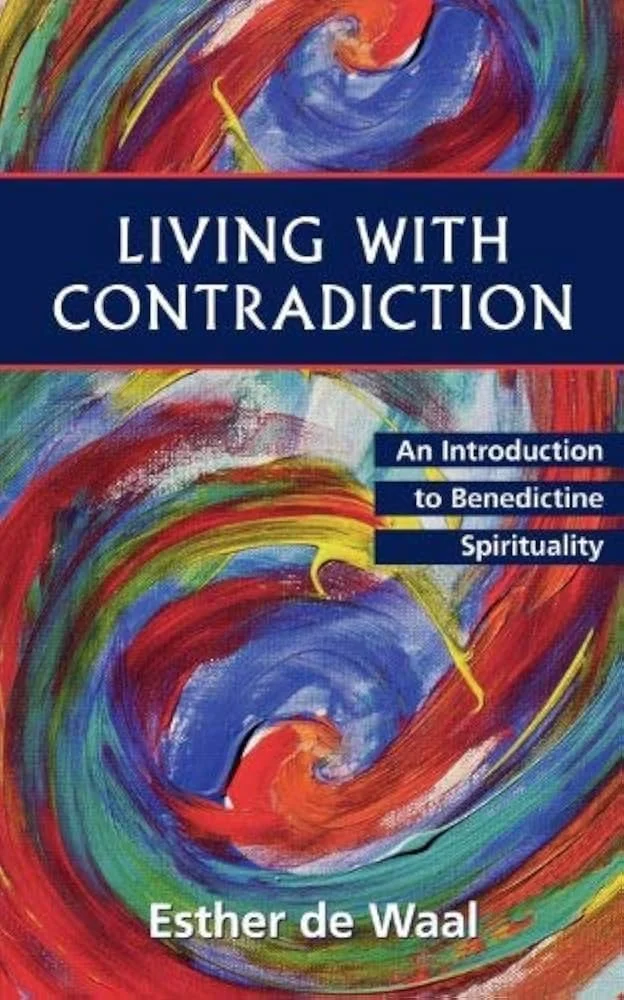
“If I am estranged from myself, I am also estranged from others. It is only as I am connected to my own core that I am connected to others.”—Esther de Waal, Living with Contradiction: An Introduction to Benedictine Spirituality (Morehouse, 1997).
Esther de Waal’s writings make the Benedictine and Celtic way of life accessible to us. It is a life in which we learn about ourselves through relationships with others, nature, and daily life in the world around us. This life requires almost constant prayer, connection to God, awareness of each precious moment, and a connection to the world around us.
De Waal reminds us how easy it is to walk or drive, rushing from task to task without any awareness of the people we pass by. All too often, instead of silently sending love to them, we make snap judgments and label them based on their appearance or clothing.
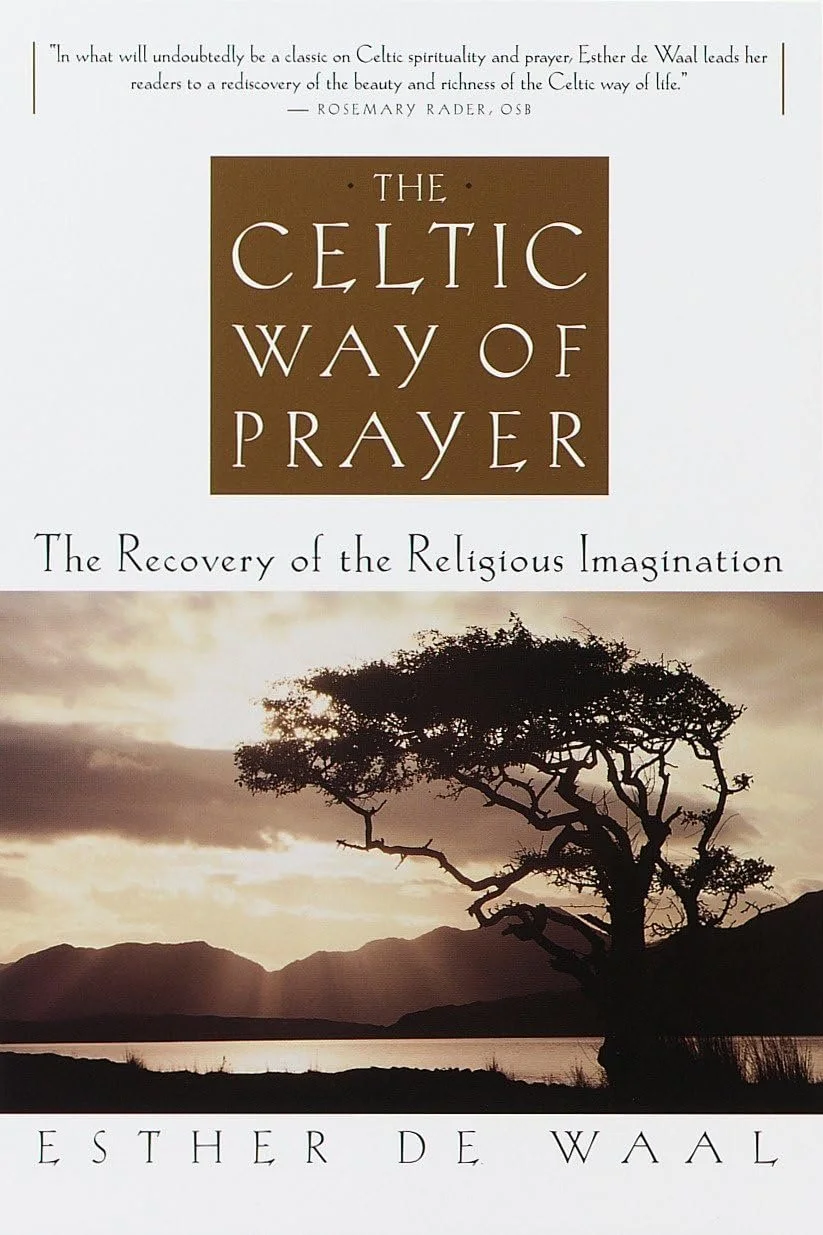
I am indebted to de Waal for yet another book on Celtic spirituality, The Celtic Way of Prayer: The Recovery of the Religious Imagination. I was rereading her chapter on Celtic prayers about the Trinity as we prepare for Trinity Sunday. She reminds us of the Celtic tradition of placing three drops of water on an infant’s forehead immediately after birth to signify that the Trinity now indwells the infant.
In the Celtic tradition, the Trinity is a natural part of daily songs and prayers at work and is praised through the changing seasons. The day in Celtic life begins with splashing three handfuls of water on the face in the name of the Trinity. The day ends with the embers of the household fire spread evenly on the hearth in a circle divided into three equal sections, with a square of peat laid between each. This is called the Hearth of the Three. A woman then closes her eyes, extends her hand, and softly sings this prayer:
The sacred Three
“To save,
To shield,
To surround,
The hearth,
The household,
This eve,
This night,
Oh! this eve,
This night,
And every night,
Each single night.
Amen.”—Carmina Gadelica I, “The Trinity” in The Celtic Way of Prayer (Doubleday, 1997).
De Waal describes what she has learned from the Celtic Trinitarian tradition: “It allows me to be at ease with a mystery that no longer threatens me but supports, refreshes, and strengthens me.”
The Threeness and connectedness of the Trinity also remind me of an anonymous prayer, sometimes attributed to William Blake—yet it sounds so Celtic:
“I sought my God;
My God I could not see.
I sought my soul
My soul eluded me.
I sought my brother
And I found all three.”
Joanna. https://www.joannaseibert.com/