The Feast Day of the Transfiguration: August 6th
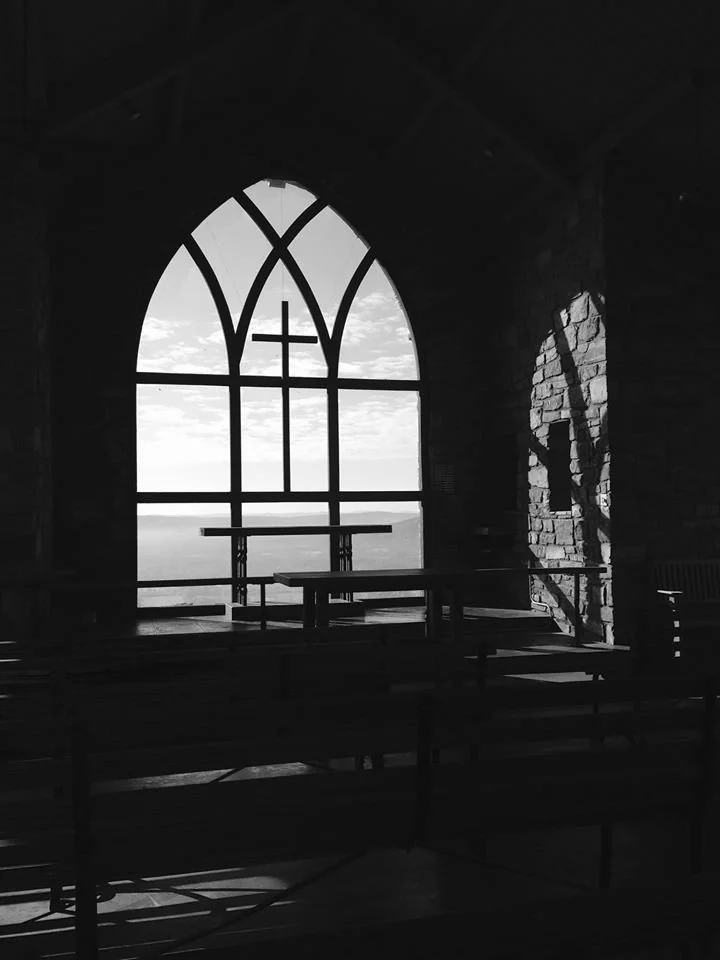
chapel of transfiguration, camp mitchell
“Jesus took with him Peter, John, and James and went up on the mountain to pray. And while he was praying, the appearance of his face changed, and his clothes became dazzling white. Suddenly, they saw two men, Moses and Elijah, talking to him… Just as they were leaving him, Peter said to Jesus, “Master, let us make three dwellings, one for you, one for Moses, and one for Elijah.” While he was saying this, a cloud came and overshadowed them. Then from the cloud came a voice that said, “This is my Son, my Chosen; listen to him!”— Luke 9:28-36
Today, we celebrated the Feast of the Transfiguration, during which we heard the story of Jesus being revealed on a high mountain to three of his disciples as the incarnation of God. Anyone in 12-step recovery can immediately identify with transfiguration, seeing the light, a moment of clarity, and encountering the God who has been there all along within us and others. Still, we never saw this before because we were too busy making “dwellings” for other idols, such as alcohol, food, drugs, work, etc.
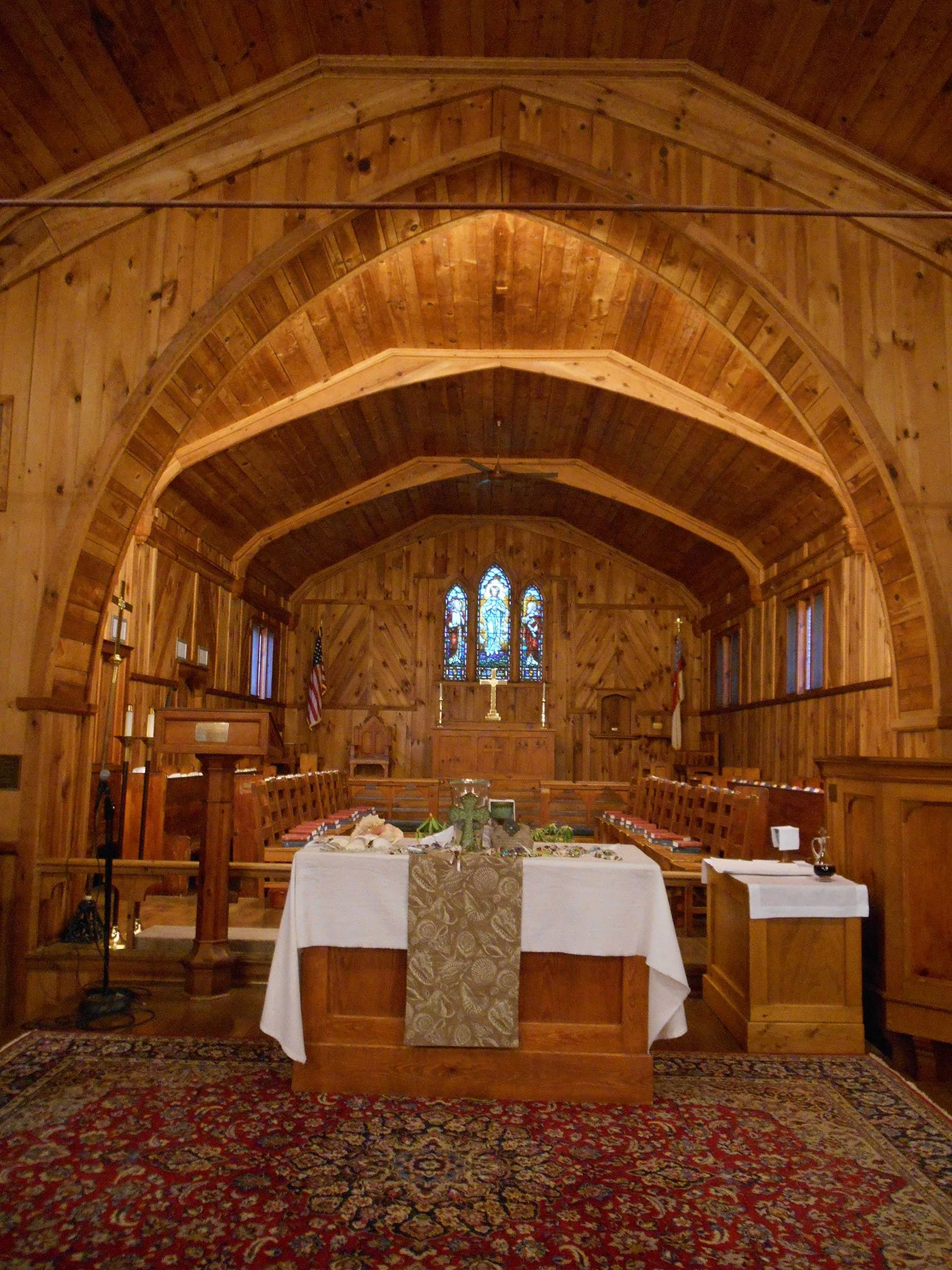
chapel of transfiguration Kanuga
Moments of transfiguration occur when we are awakened from a deep unconscious sleep into a conscious bright light, where we see, feel, taste, and touch God’s presence. Transfiguration is about experiencing our true nature, the part of God within ourselves and others. It is the moment when the veil of all else begins to fall away, and we connect with the presence of God within us, eventually desiring to turn our life and our will over to the care of God. That is the moment when we let go and let God.
Richard Rohr believes we cannot see God in others until we first see God within ourselves. That moment of clarity speaks to us that we are better than the life we are leading. So, recovery is seeing that spark of God first within ourselves, which leads us to see God in others. We encounter the person who once annoyed us and caused us to harbor resentment, and we begin to notice a glimpse of the face of God in our neighbor, and we may respond in love.
“If we want to find God, then connect to God within ourselves, and we will always see God beyond us. For it is only God in us who knows where and how to look for God.” 1
Frederick Buechner reminds us that as we see God within ourselves, we begin to see God in situations we had never noticed before: “the face of a man walking his child in the park, a woman picking peas in the garden, sometimes even the unlikeliest person listening to a concert, standing barefoot in the sand watching the waves roll in, or just sitting with friends at a Saturday football game in September. Every once in a while, something so touching, so incandescent, so alive transfigures another human face that it’s almost beyond bearing.” 2
If you are having difficulty seeing the face of God, stop for a moment and look at our young children. God’s presence seems to burst forth from them. I have been overwhelmed by God’s presence this past week among the 90 children at our Vacation Bible School at Saint Mark’s.
Transfiguration is the message and promise of recovery, seeing the face of God first in ourselves and then in others. Each day, we celebrate the transfiguration that recovery continually brings to our lives and to the face of every person we encounter. Transfiguration is a daily reality.
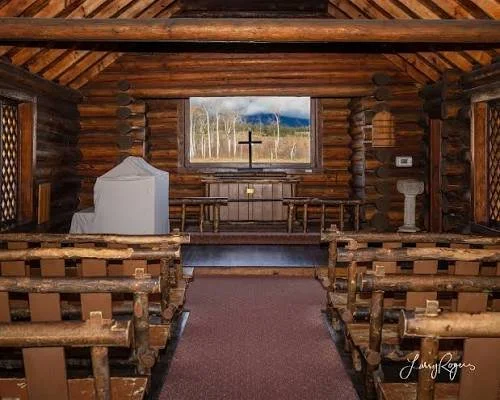
Chapel of transfiguration Grand Tetons national park
1 Richard Rohr Adapted from The Naked Now: Learning to See as the Mystics See (The Crossroad Publishing Company: 2009), 159-161.
2Frederick Buechner in Whistling in the Dark (HarperSanFrancisco 1988), p. 120.