Charleston: Where is God?

Where is God?

“God is in the kitchen, sitting quietly over a cup of coffee. God is on the street corner, waiting for the light to change. God is at the bar, watching the game on TV. God is in the beauty shop, listening to the latest stories. There is no place where we are that God is not.” Steven Charleston, Daily Facebook Email

stoplight-.jpg

I sometimes share this short writing by Bishop Seven Charleston from his daily Facebook page with spiritual friends who cannot seem to find any answers to the question, “So, where do you see God working in your life?” I suggest an exercise of writing down places they have been that day, people they have meet and would like to remember and seeing if any feelings or thoughts of the presence of God there come to them at the end of the day. It is important to write it down if possible. Writing takes things out of our body and mind and into our tangible world. Some think it is silly and never do it. Others find it helpful to begin to see and feel a connection they think they have lost that is always there right beside them all day… and night.

The church at which I serve is on a corner with a stoplight. Recently our family minister, Luke, started putting a short “stop light prayer” on our church’s electronic sign by the stop light. We weekly hear of people whose day changes when they stop just for a second to connect to our God who is always there. Briefly stopping what we are doing, becoming aware of creation around us is our first step out of ourselves and into the life of knowing and feeling the ever presence of God.

Joanna joannaseibert@me.com
wounds

Wounds

“The reality is that every human being is broken and vulnerable. How strange that we should ordinarily feel compelled to hide our wounds when we are all wounded!” M. Scott Peck, The Different Drum, Synthesis Today Quote, October 4, 2018. www.synthesispub.com

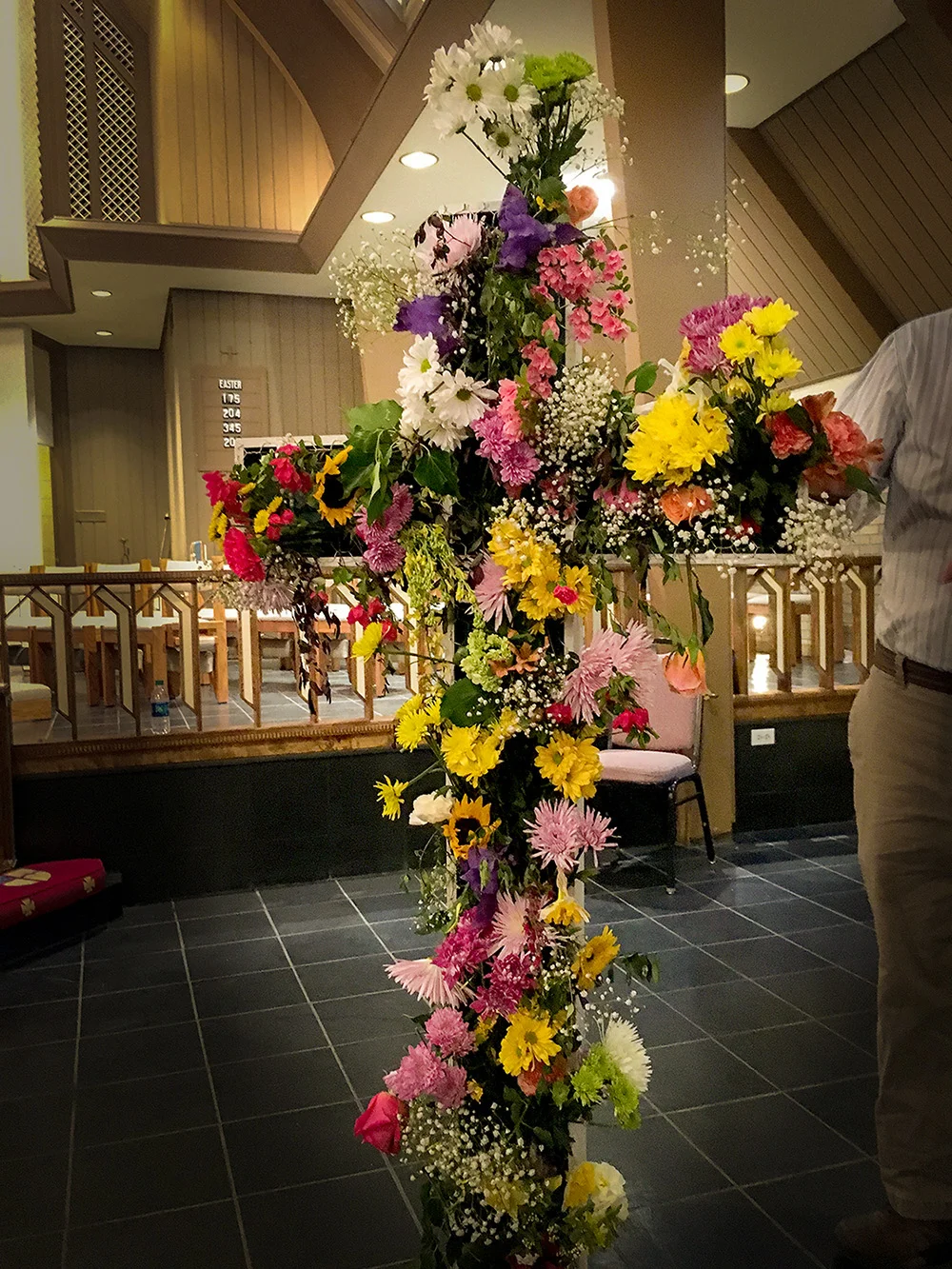
cross copy.jpeg

Our experience tells us that when we share our wounds we become less vulnerable. We no longer must pretend we are something that we are not, which takes up a huge amount of energy. We now have all that energy just to be ourselves, to become the person God created us to be. We become more human. In turn others begin to share their wounds because they see us as a safe place, another human being who may have just an inkling of what pain is all about.

Letting others know we are human and have pain and make mistakes is also a path into the divine within ourselves and others. This is the path we all are seeking. There is an wide gaping entrance to this path into the Christ, the Holy, the Spirit within each other through our wounds.

This is the path from Good Friday to Resurrection.

Joanna joannaseibert.com

Vulnerability

Vulnerable

“The only choice we have as we mature is how to inhabit our vulnerability...” David Whyte, “Vulnerability,” InwardOutward.org, Quote of the Day, Church of the Saviour, October 3, 2018.

zoe view.jpg

Vulnerability. Poet David Whyte gives us one word to take with us today. Vulnerability, however, does not live alone but resides in a word community.

Intimacy. Another word that lives with vulnerability. We allow someone whom we trust to see and hear our inner concerns and thoughts and highs and lows.

Humility is also a close family member of this word community. We don’t think of ourselves as any better than someone else.

Humanness whispers in the ear of vulnerability. We are to take off our mask of perfection. We promptly are to admit to others our mistakes and learn from them.

Forgiveness must also be a beloved companion of Vulnerability. We are to ask for Forgiveness when we have wronged others as well as being capable of forgiving ourselves for our mistakes.

Vulnerability, Intimacy, Humility, Humanness, Forgiveness are five construction workers in a family business that are crucial for the building of our own Habitat for Humanity.

Joanna. Joannaseibert.com